

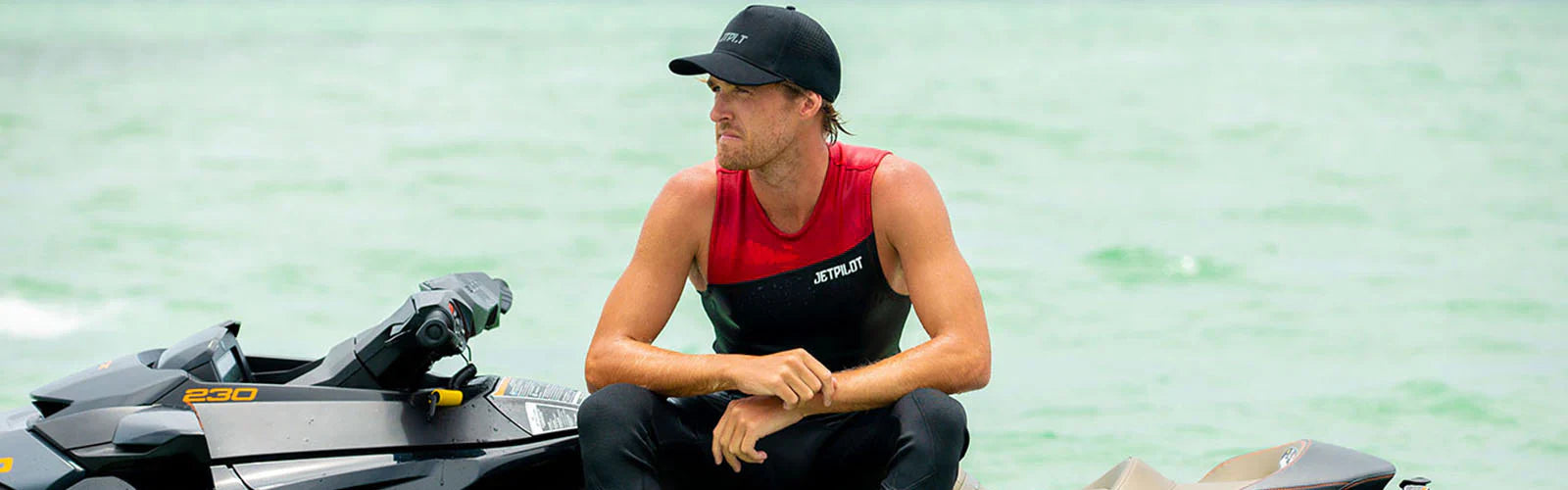
Jetpilot Wetsuits
From 2/2 mm springsuits to 5/4 mm steamers, in mens, womens and youth cuts. Every Jetpilot wetsuit carries 39 years of jetski-racing heritage — 100% 360° stretch neoprene, Jet-Lok seams, race-cut shoulders. The full range, certified for ISO 12402 where it counts.
Filters
22 products
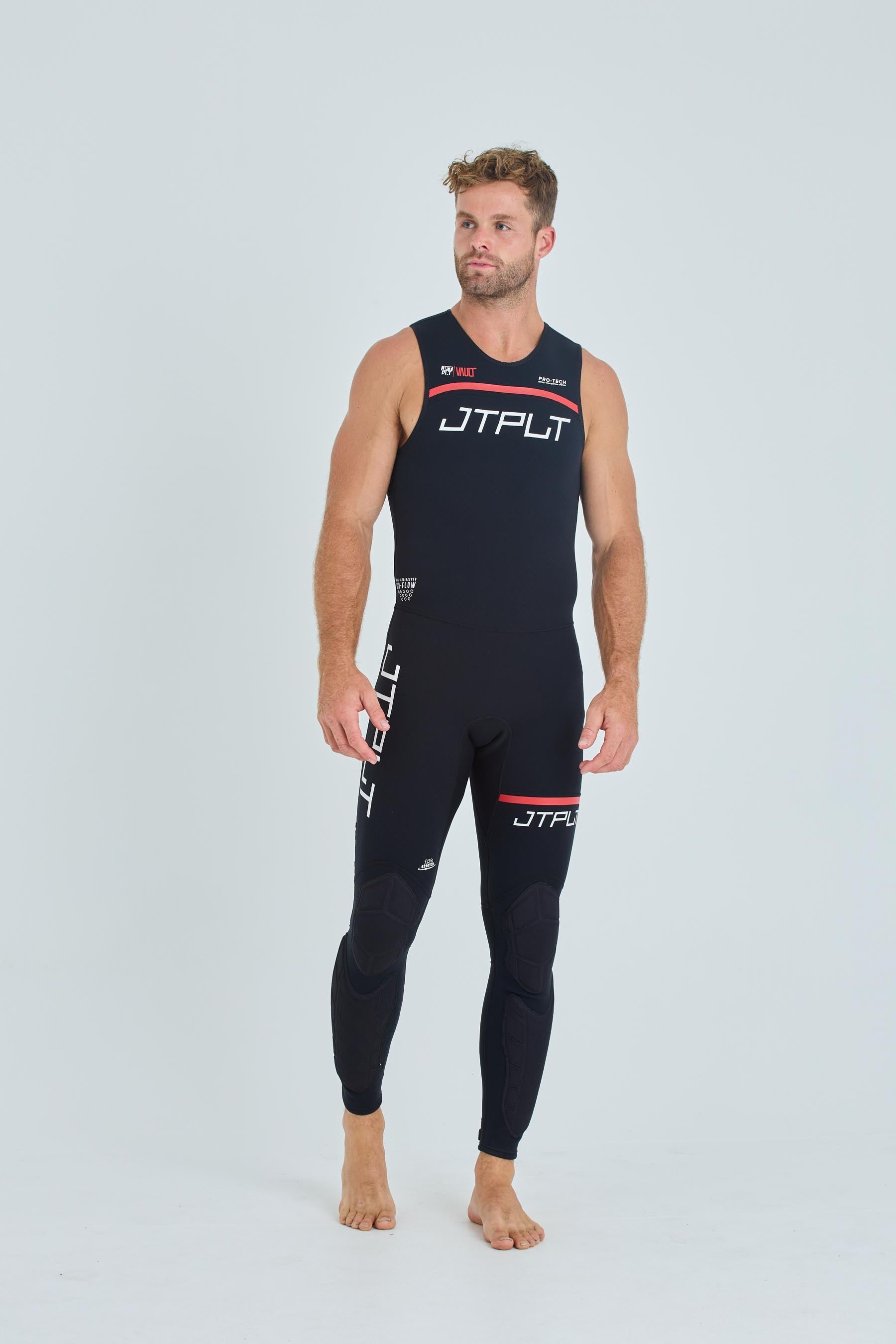
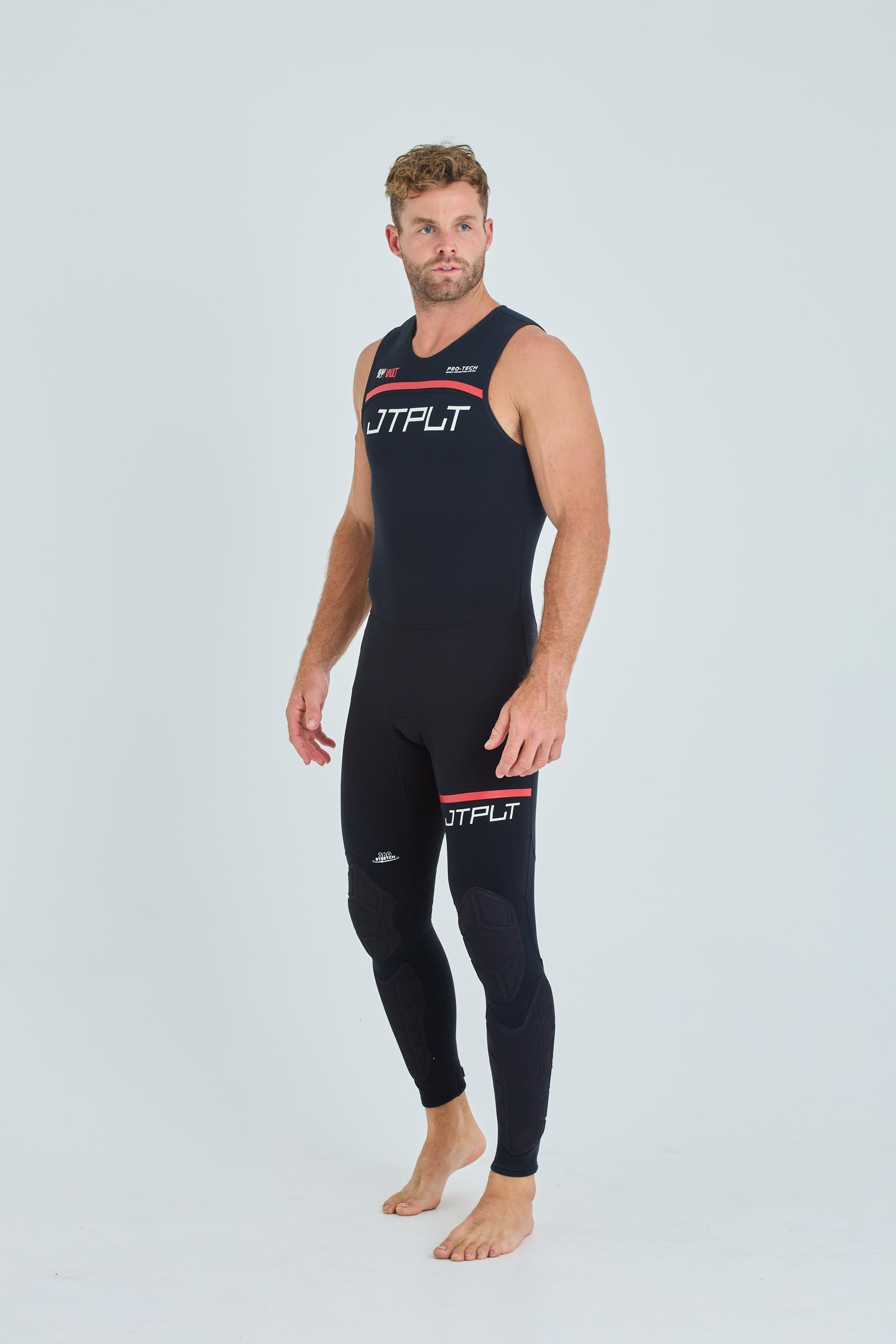
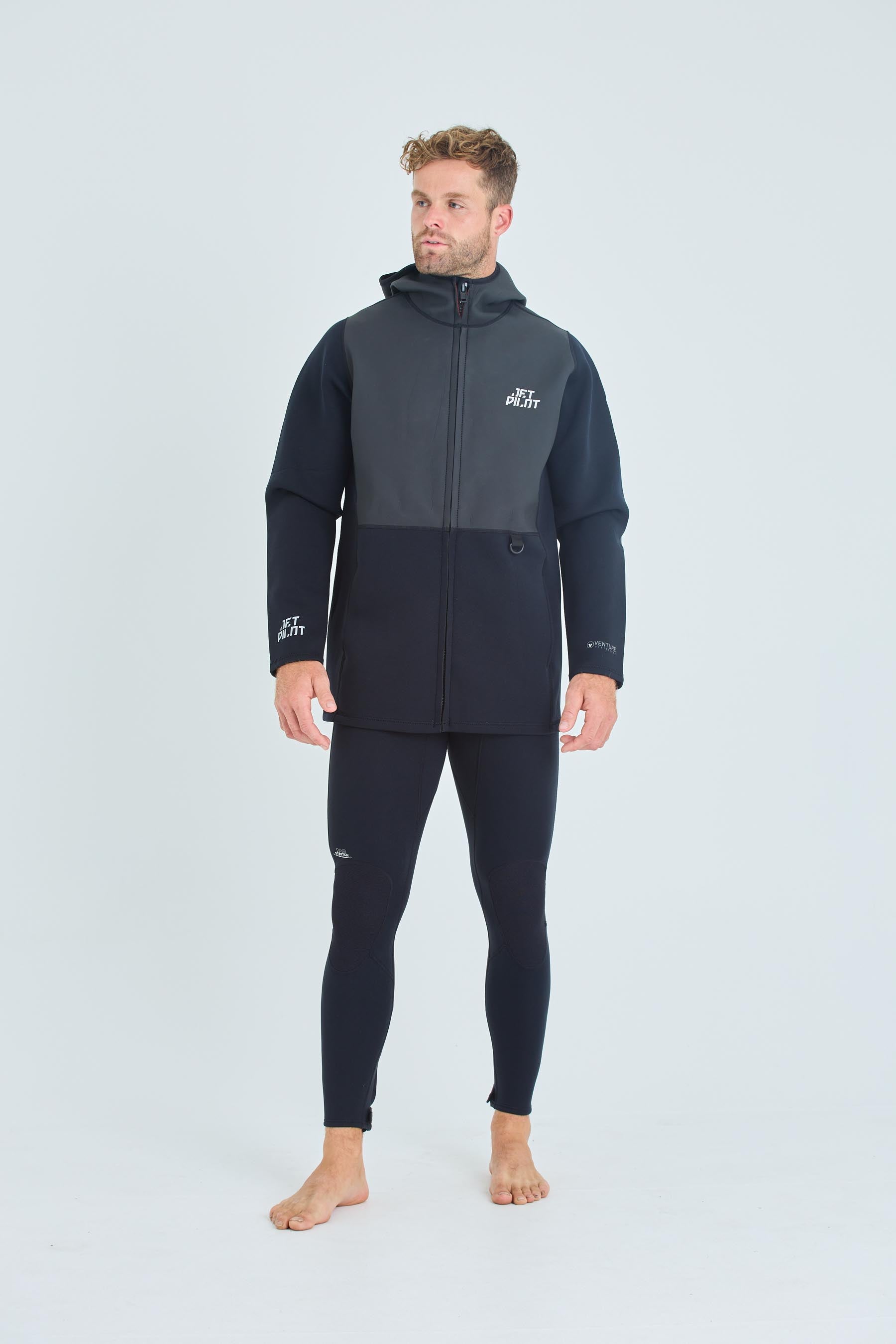
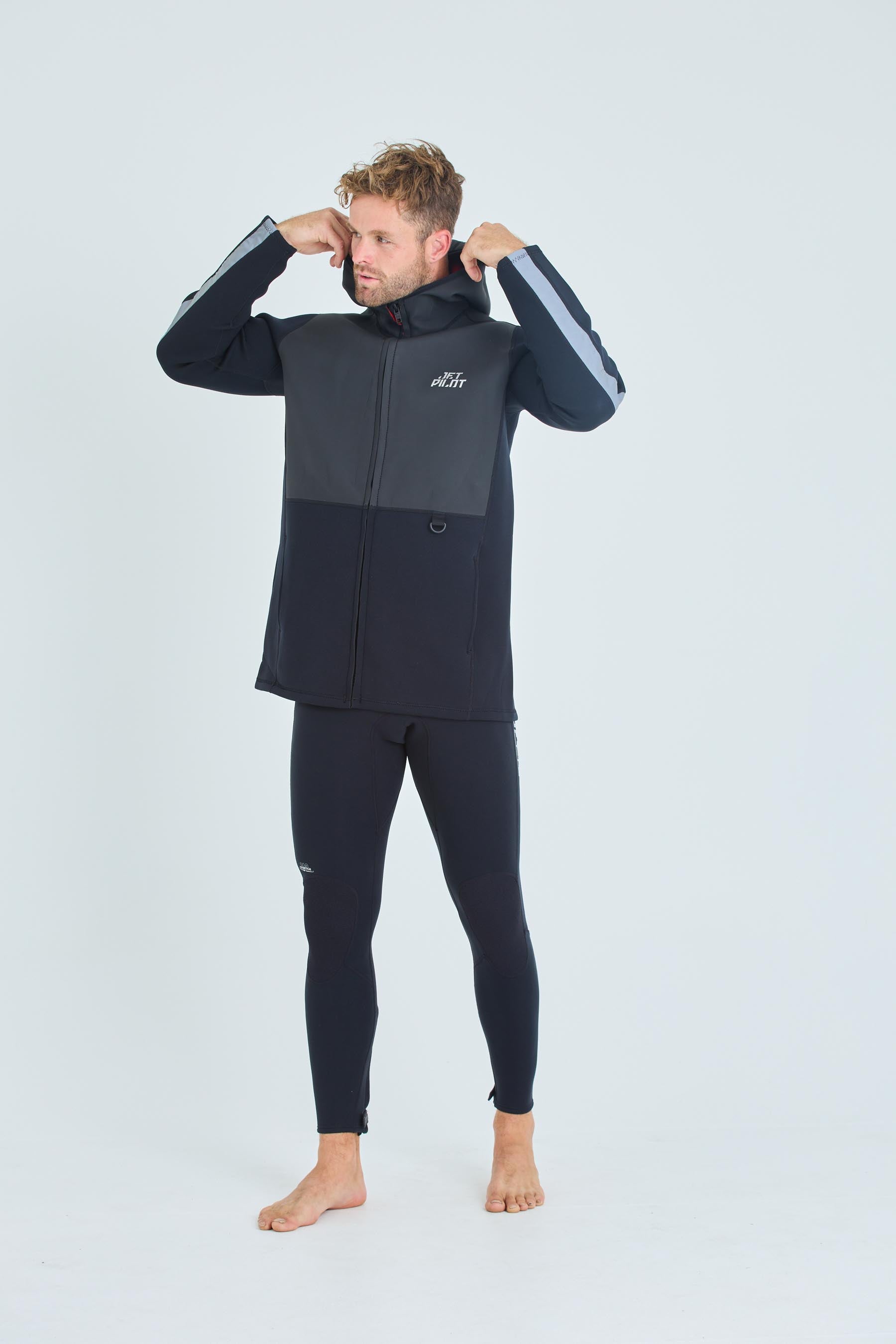
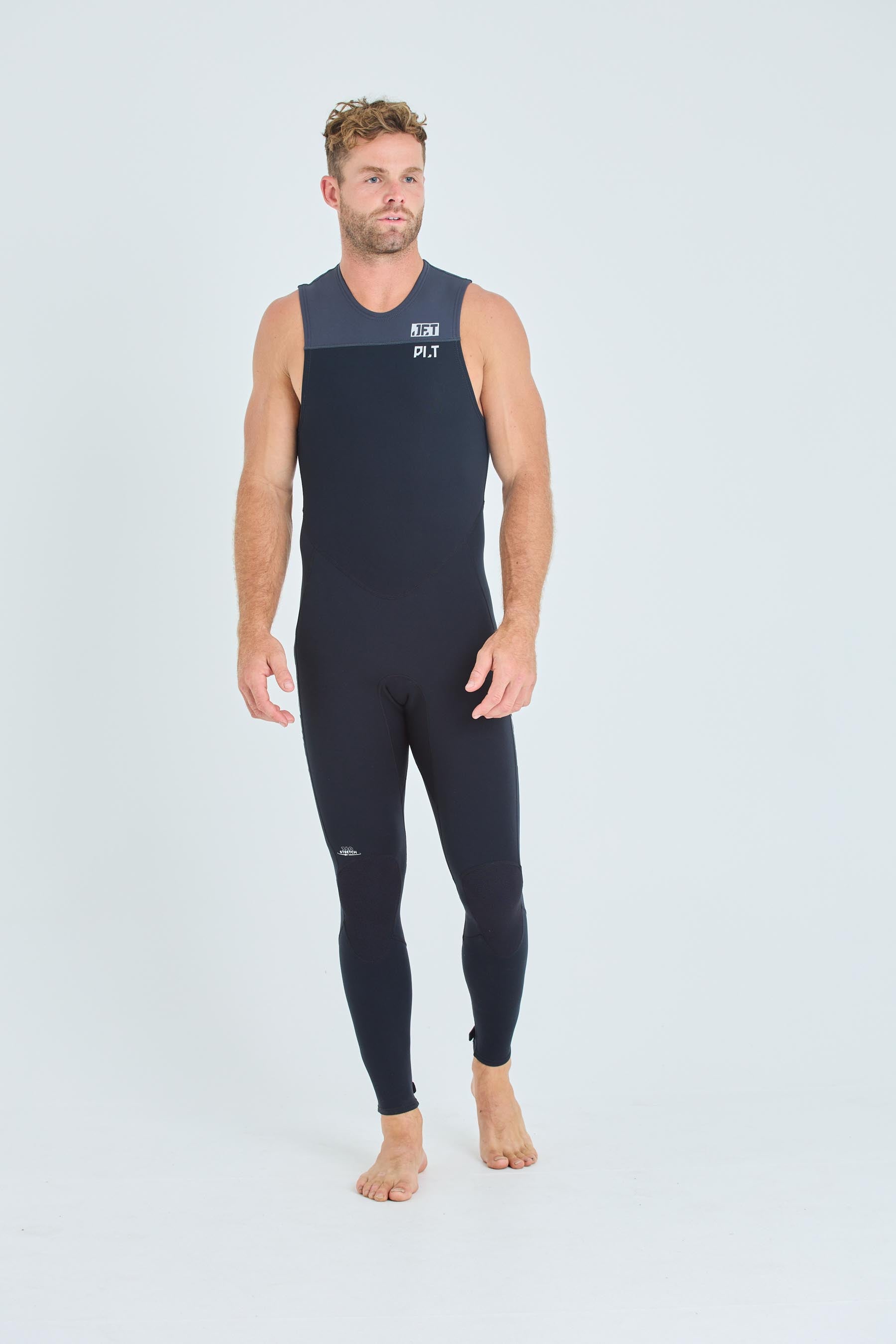
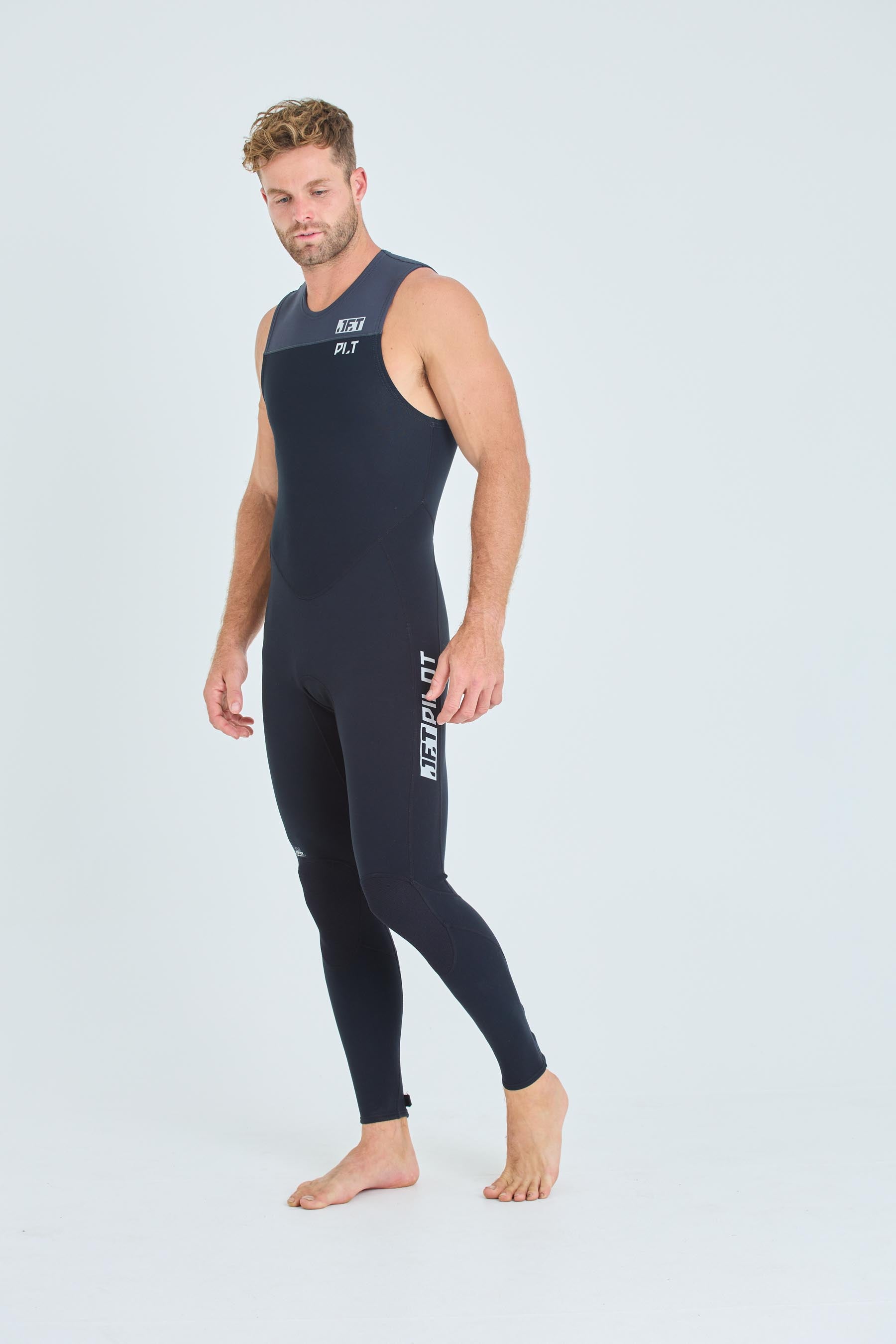
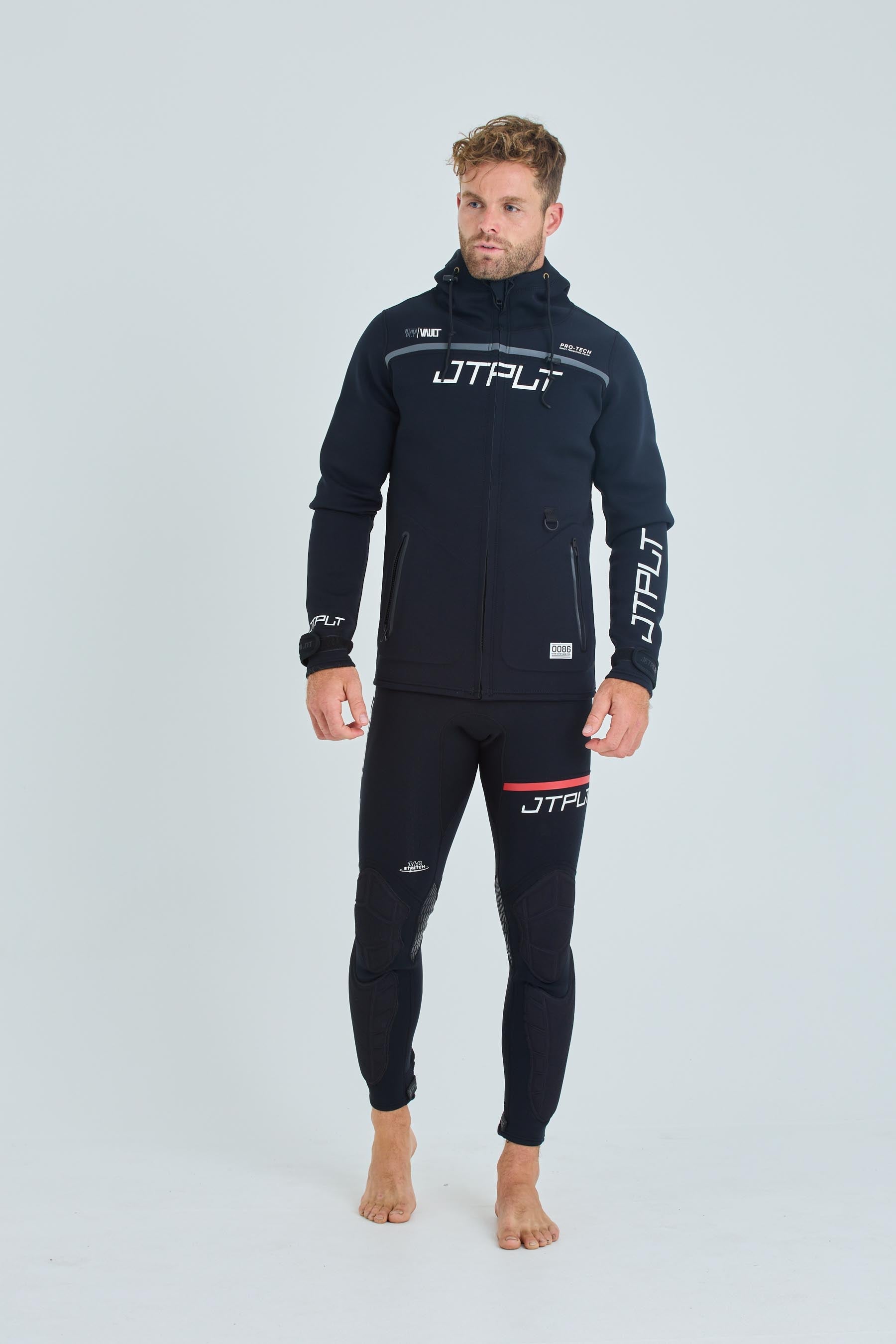
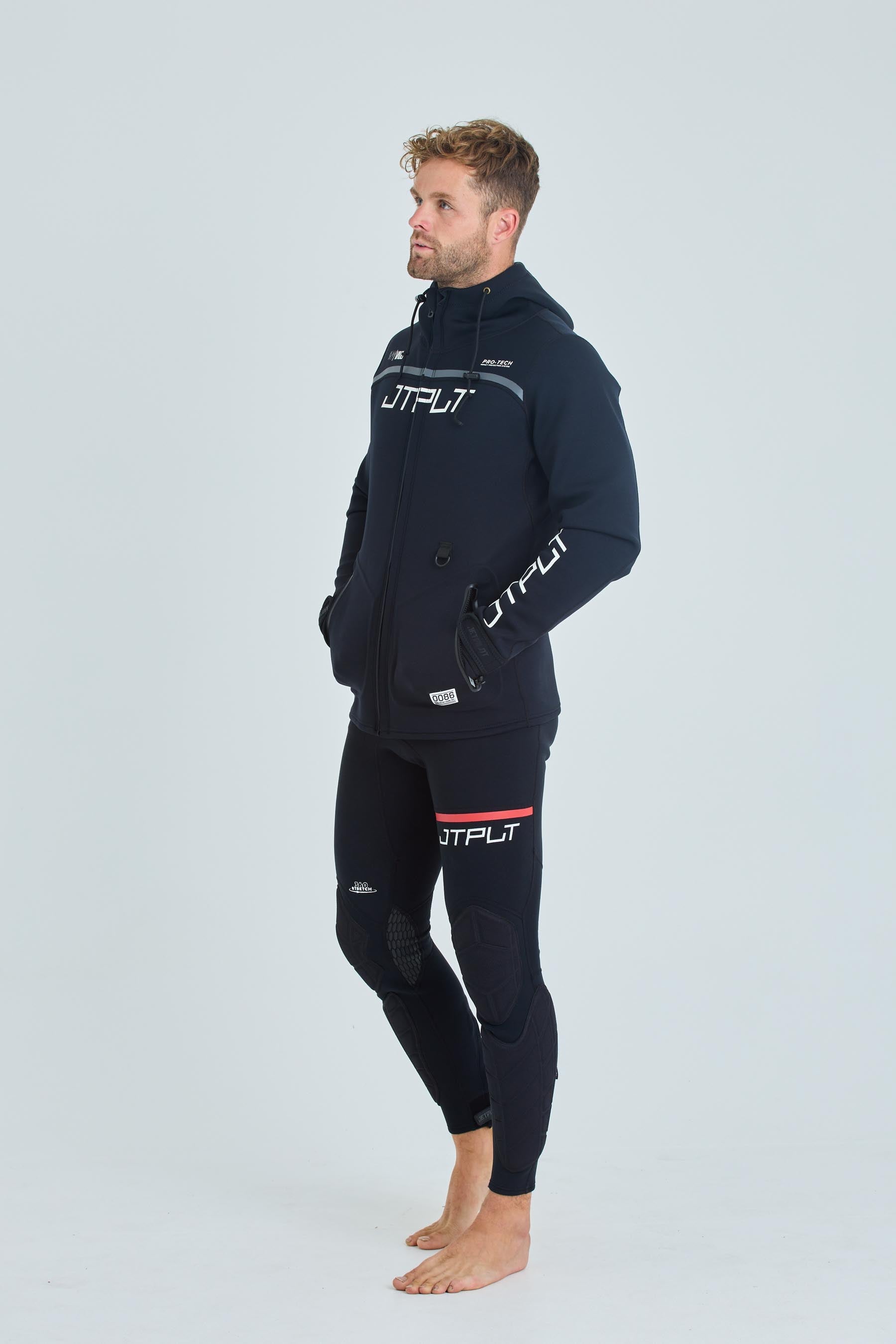
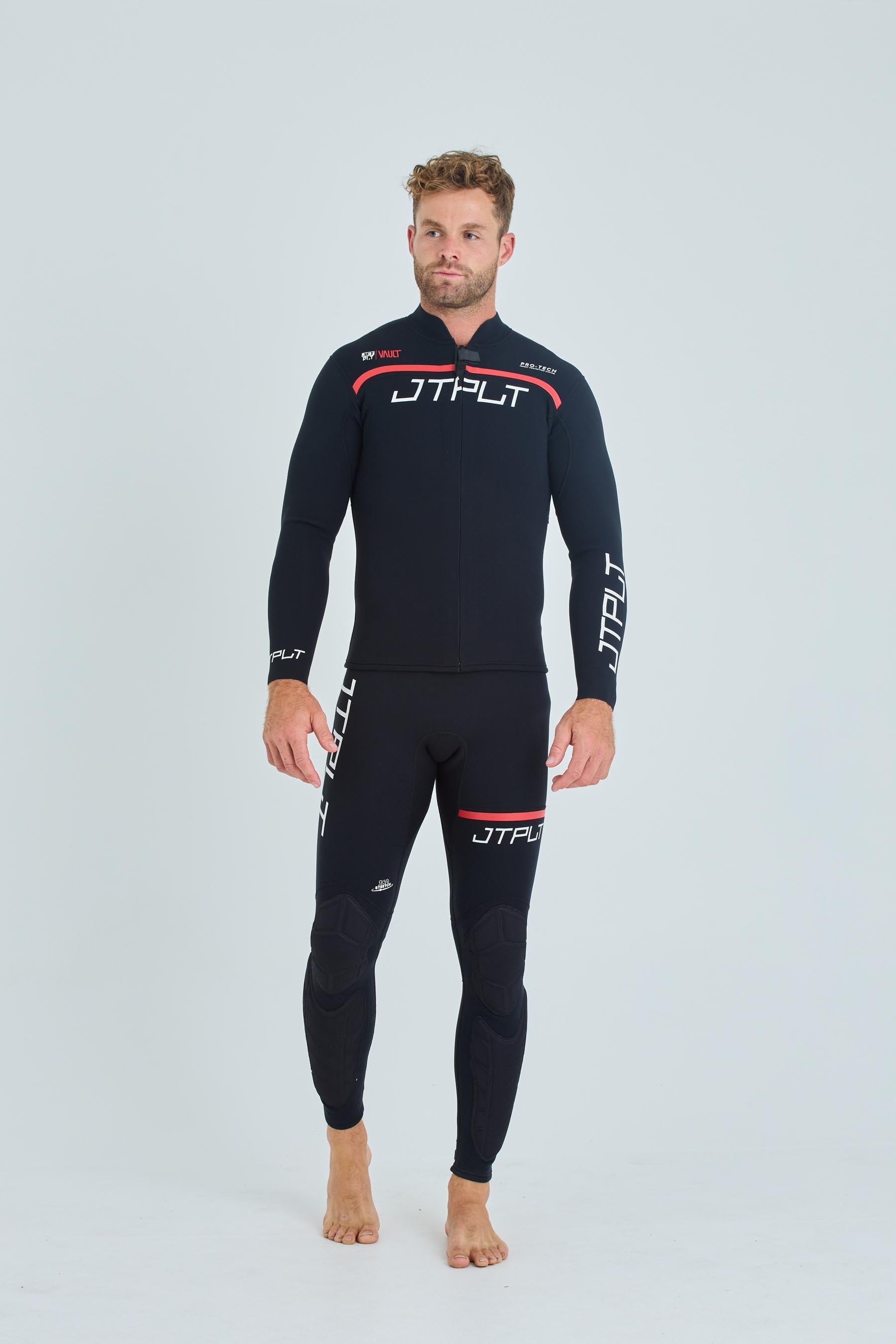
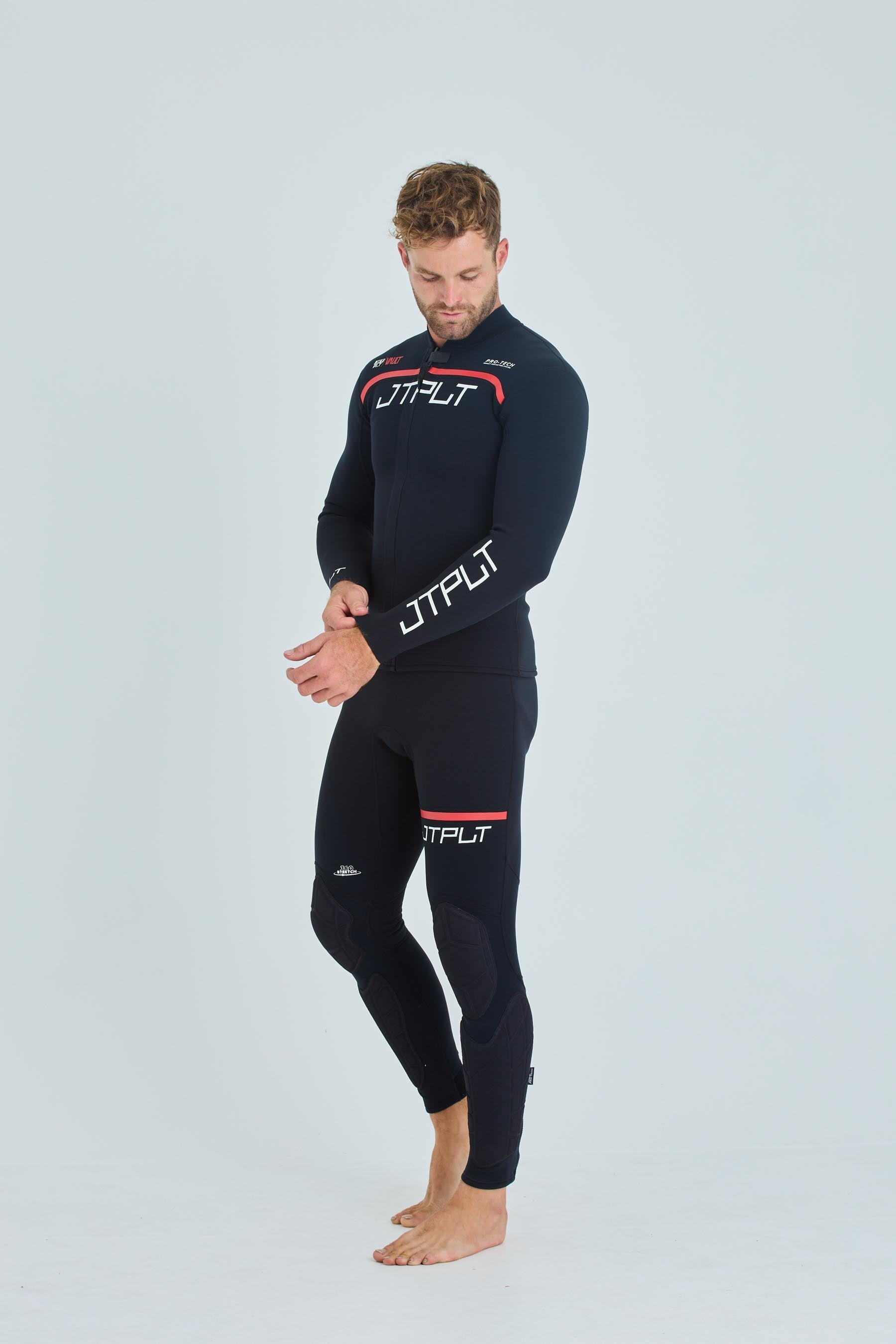
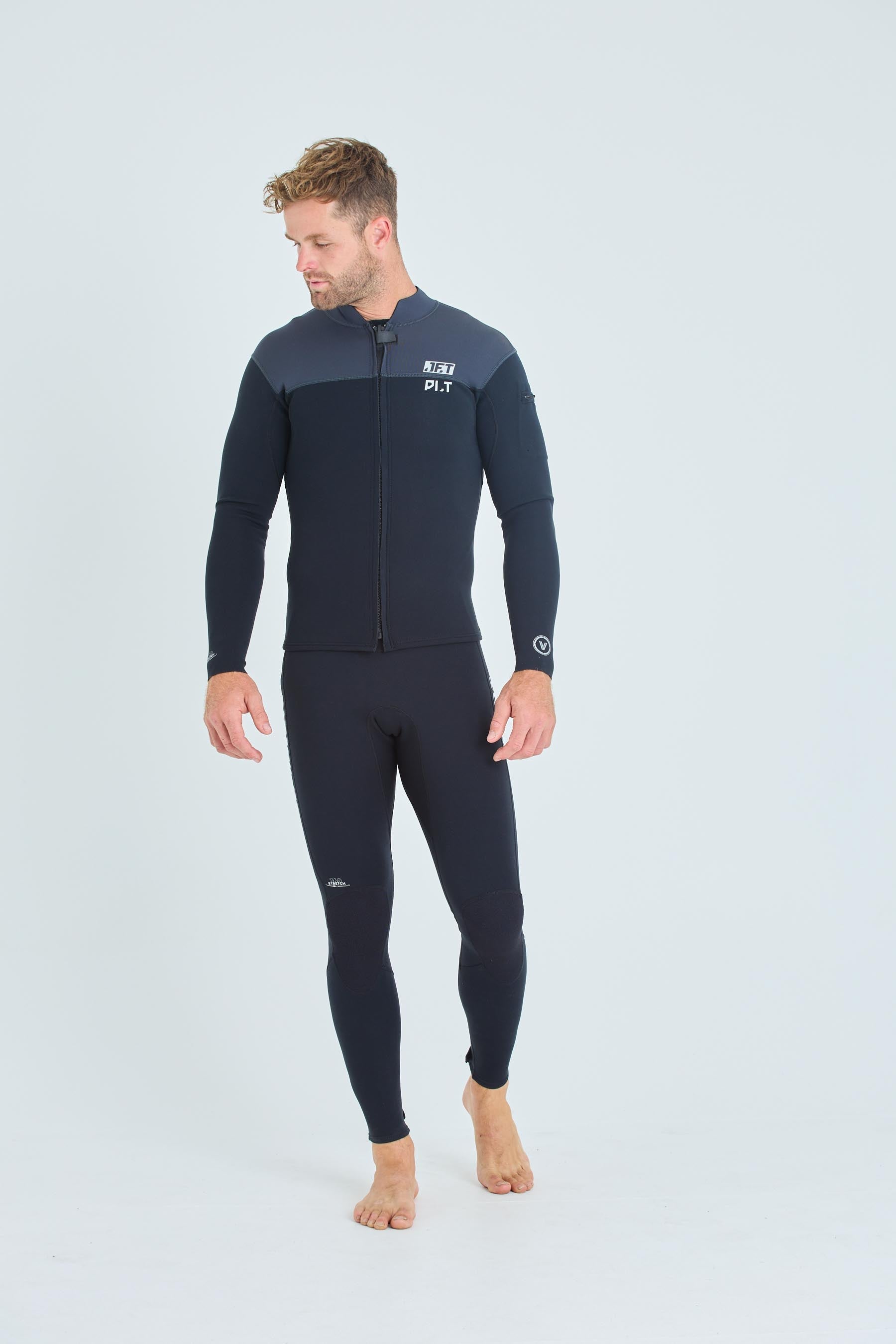
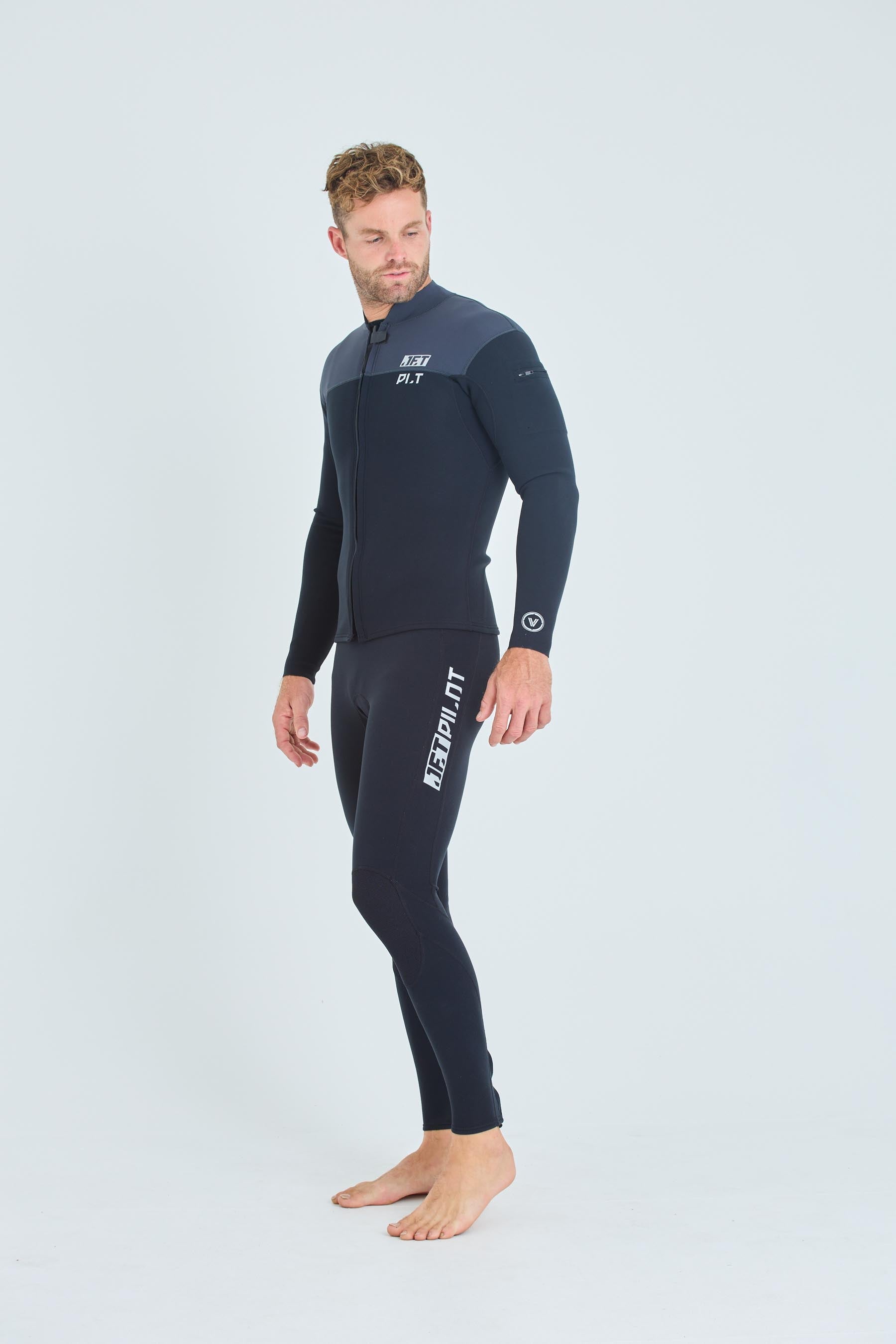
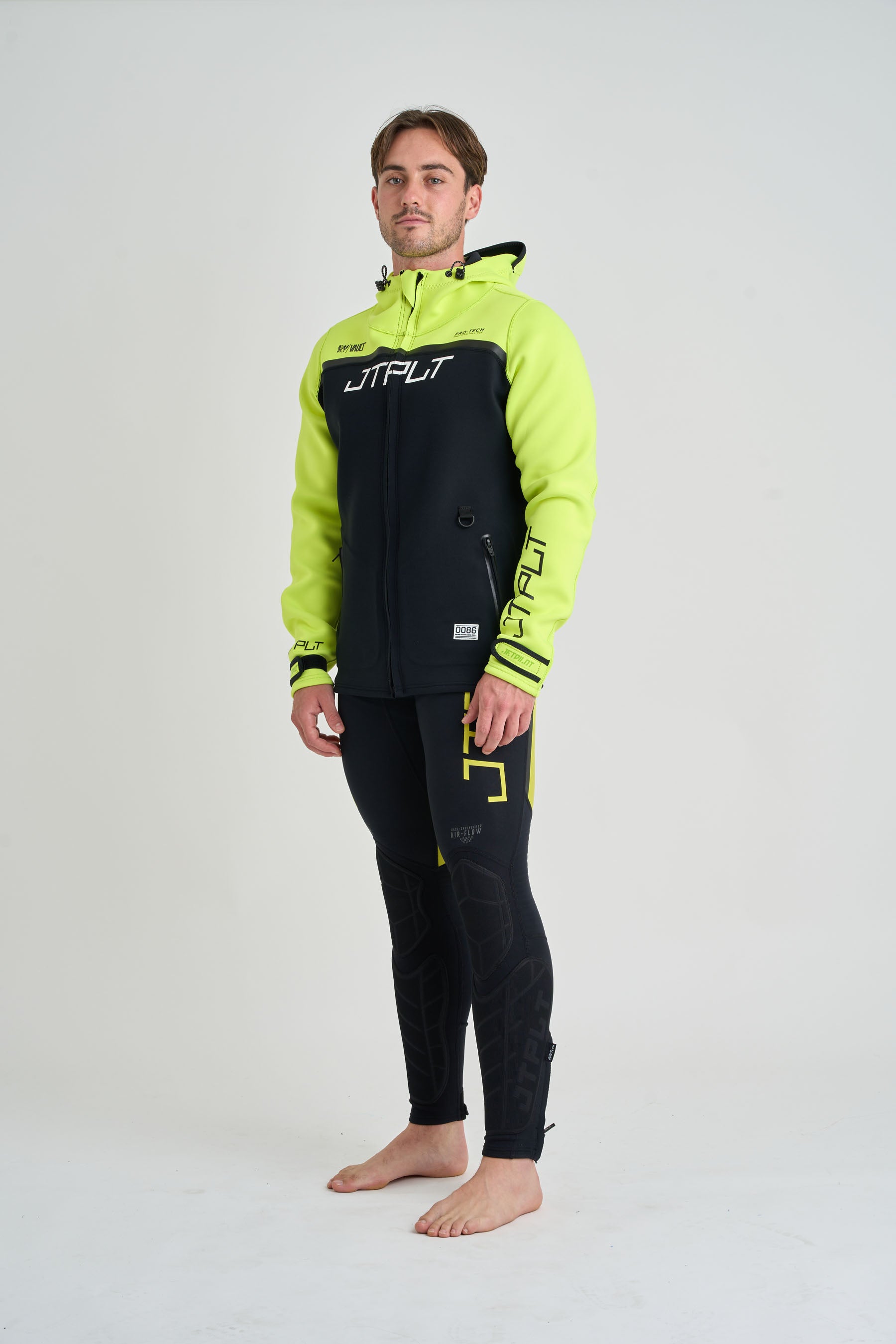
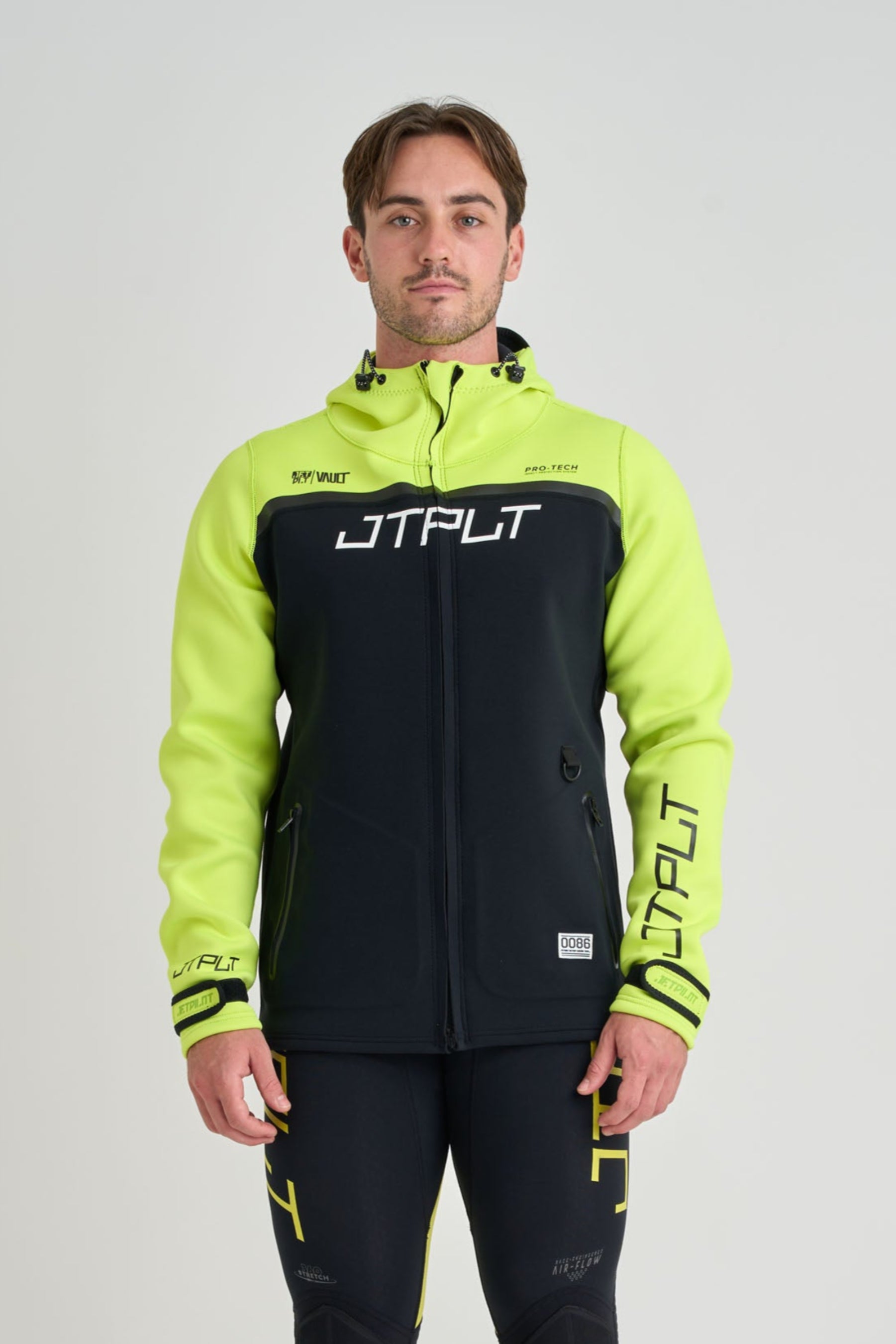
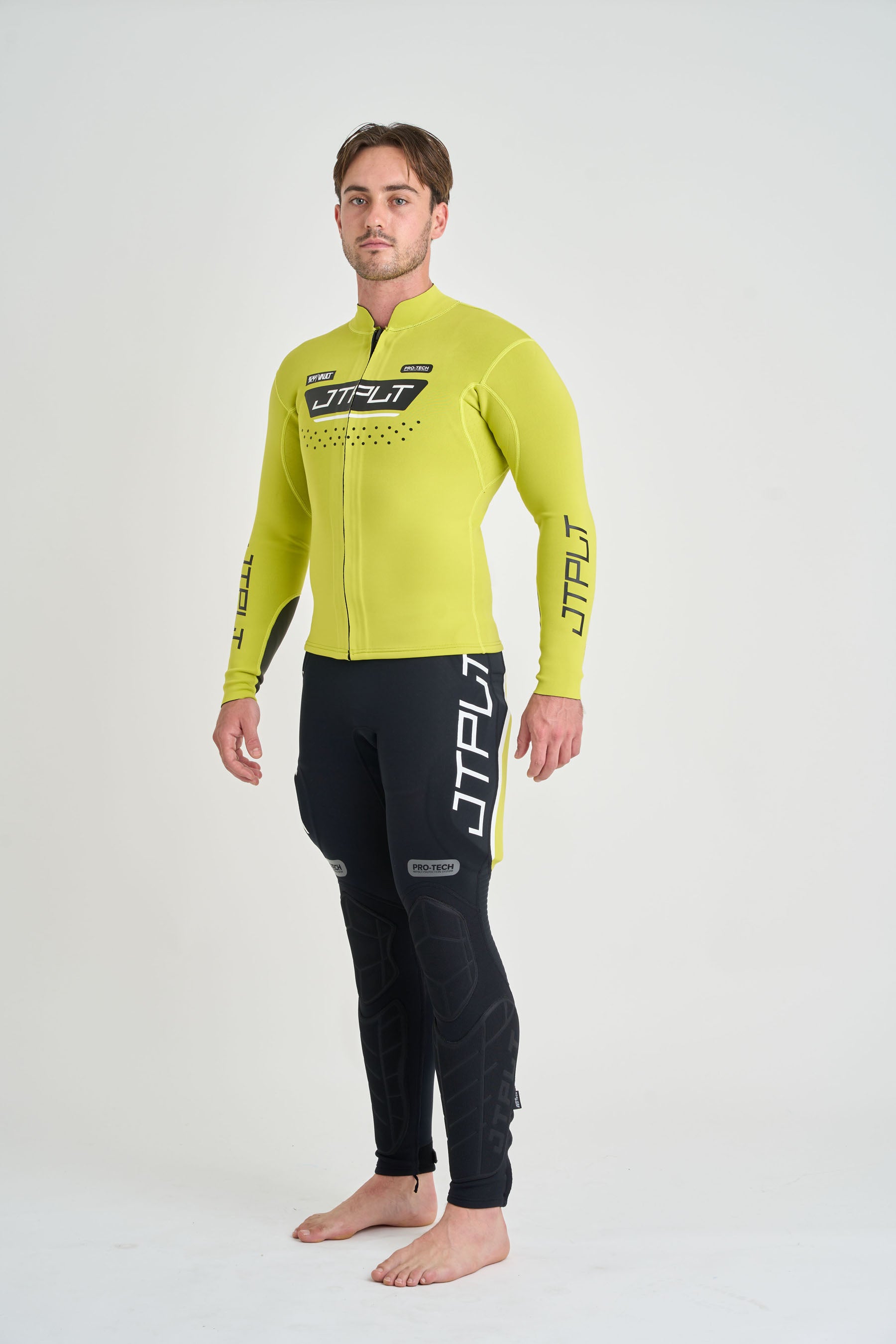
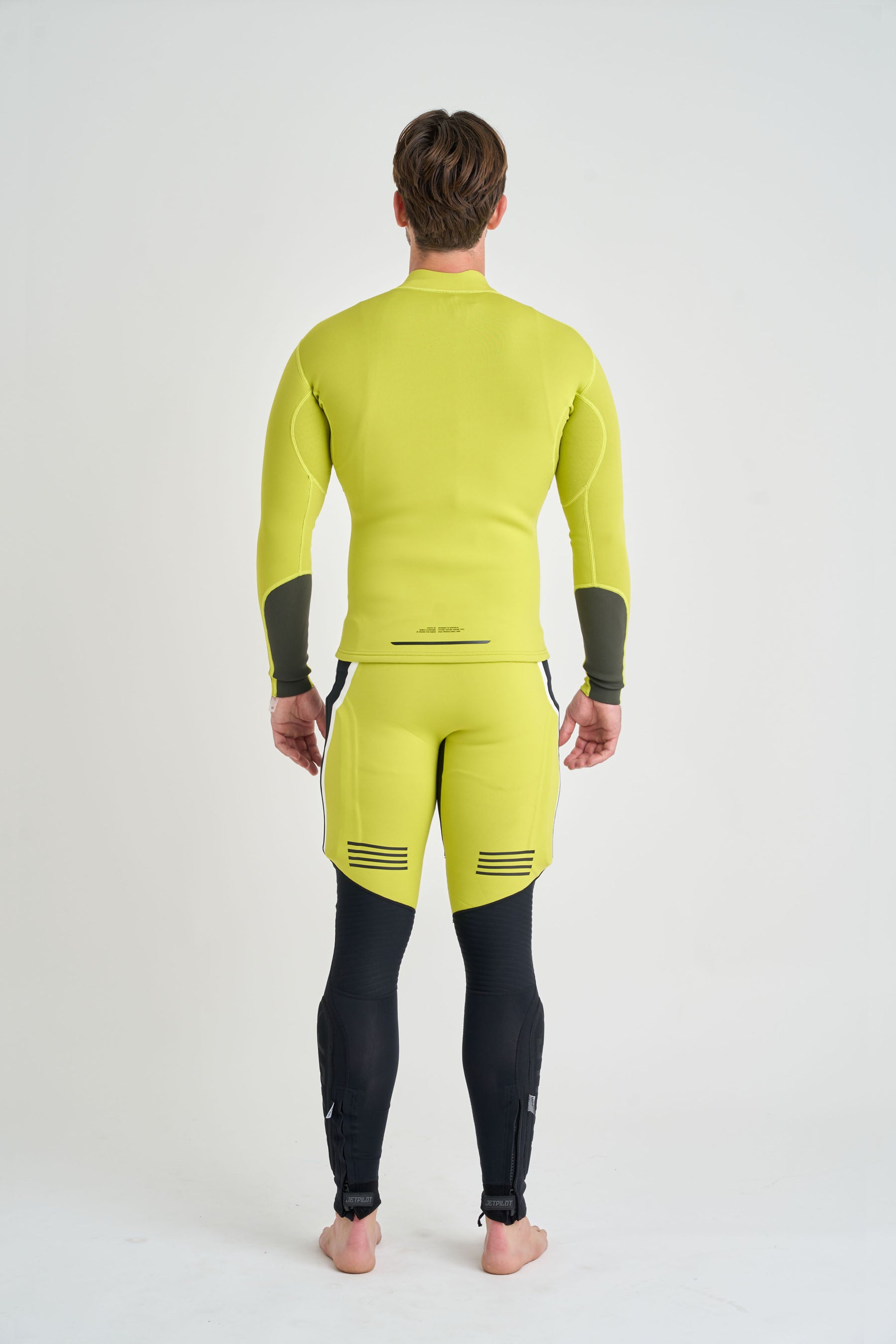


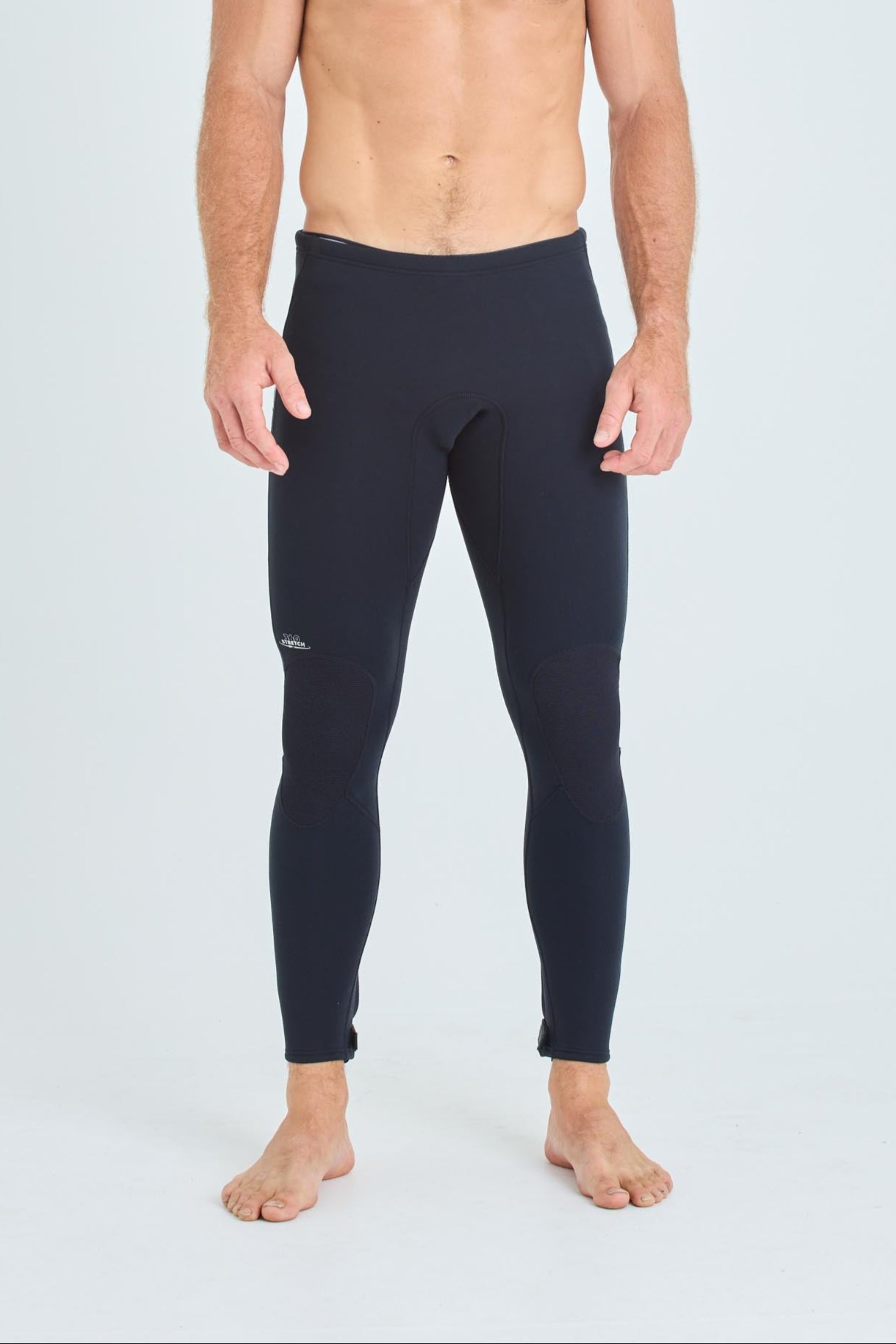
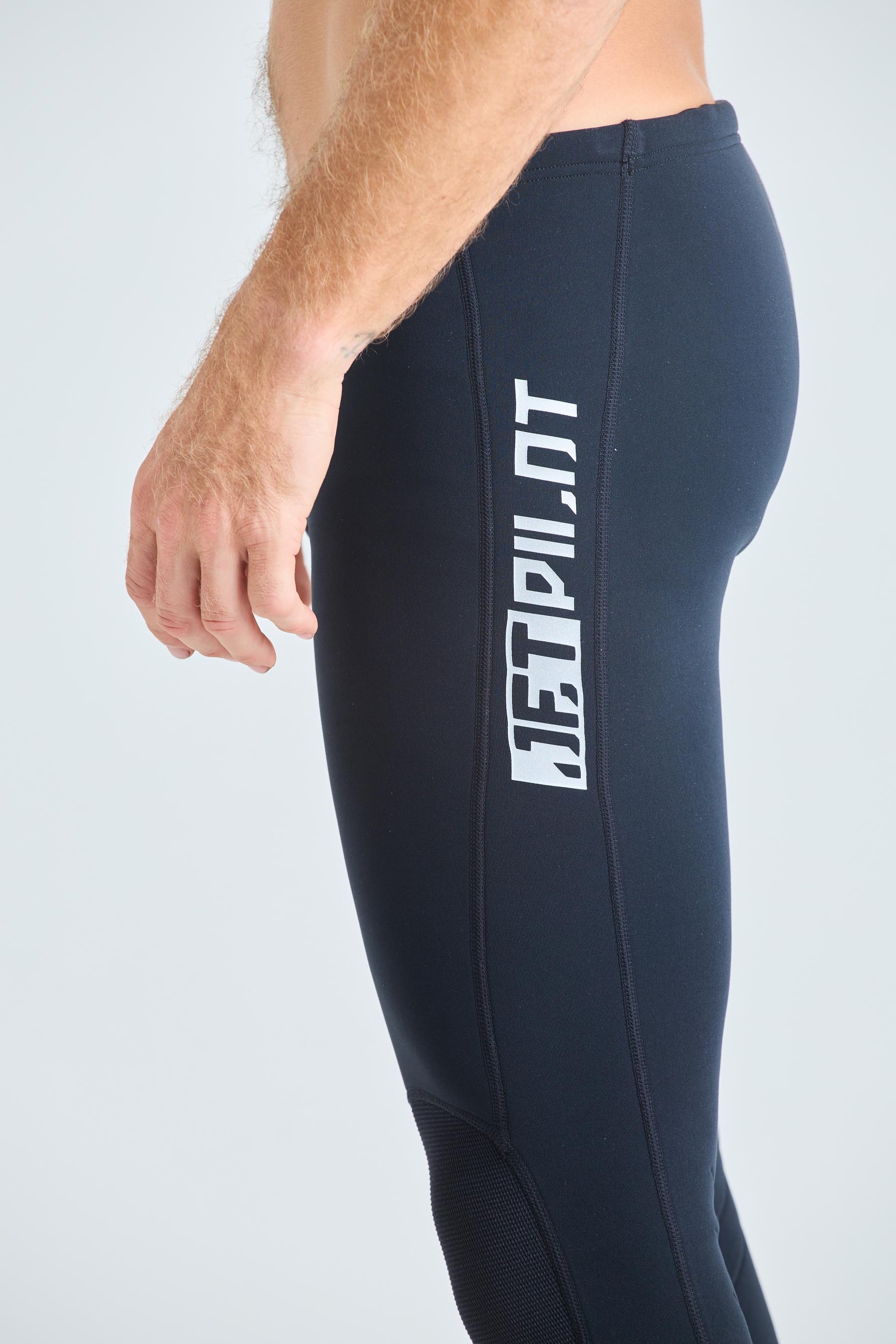
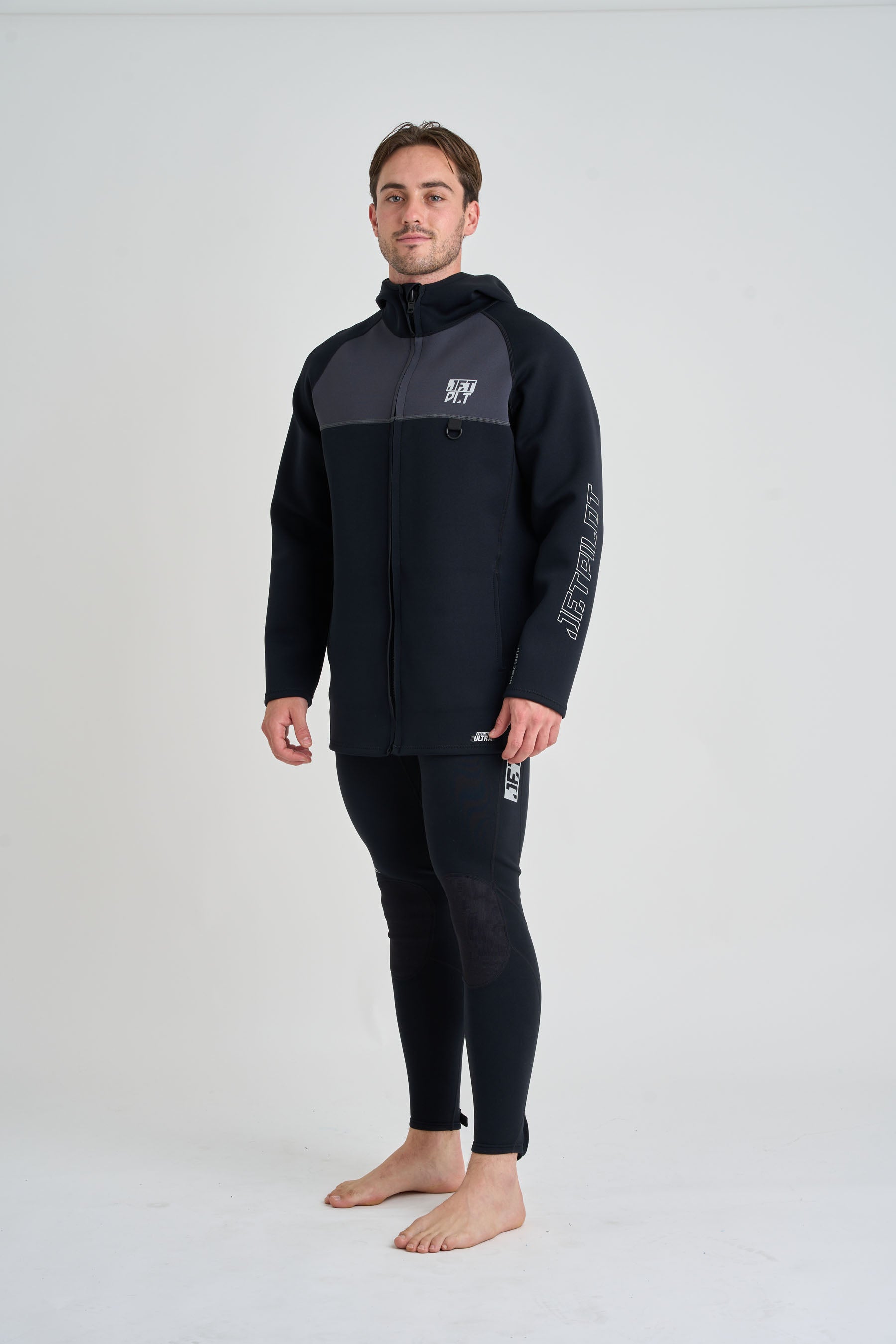
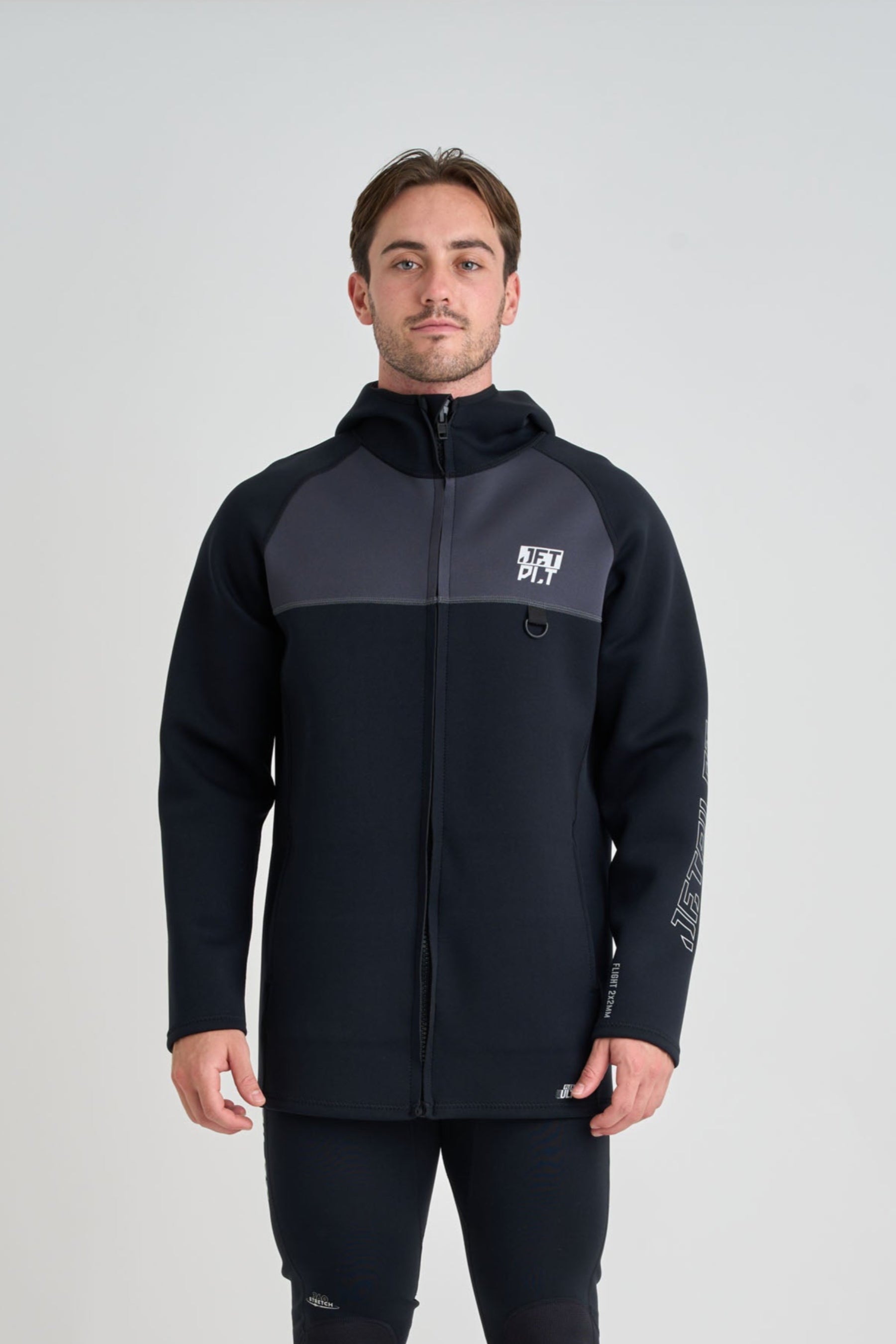
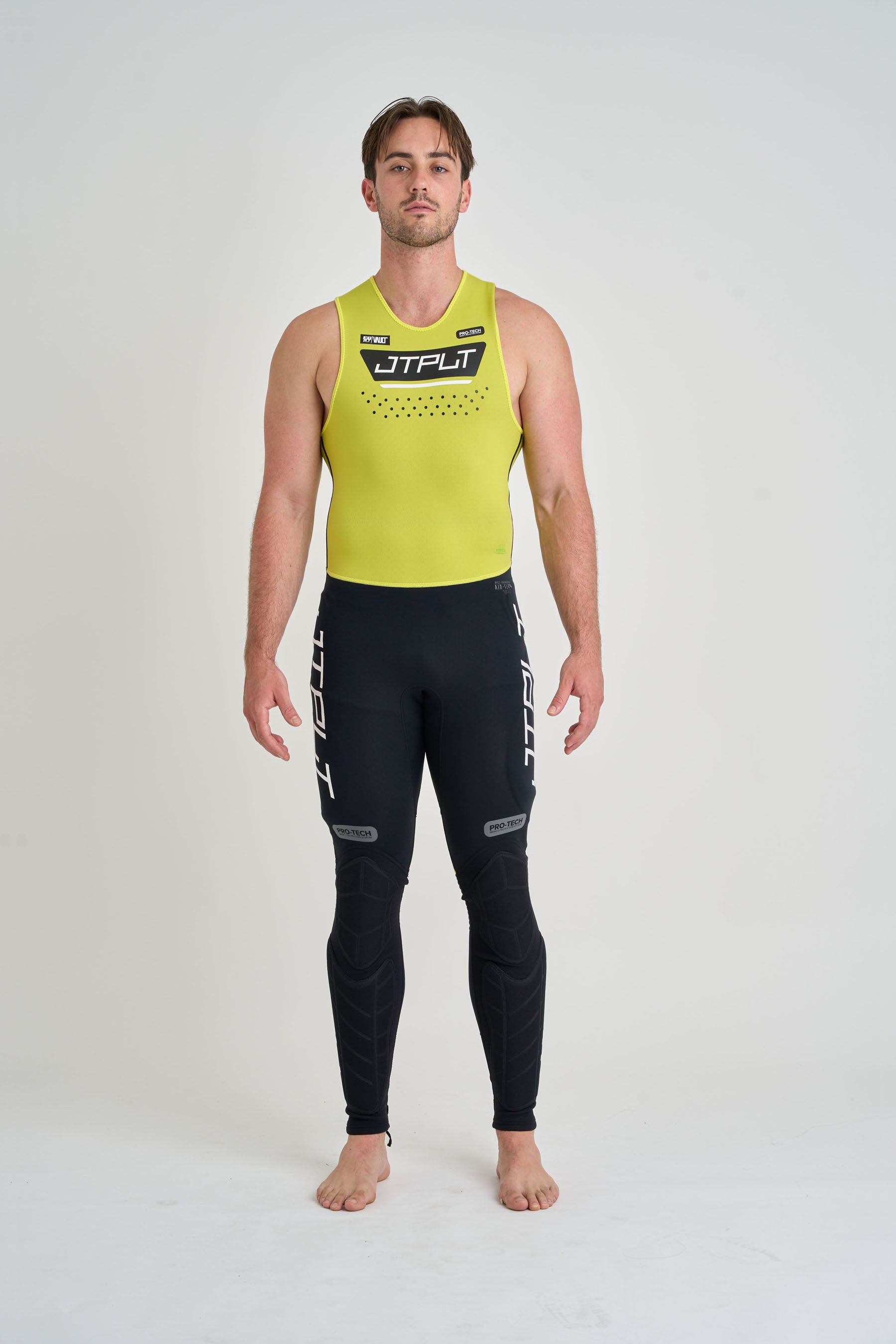
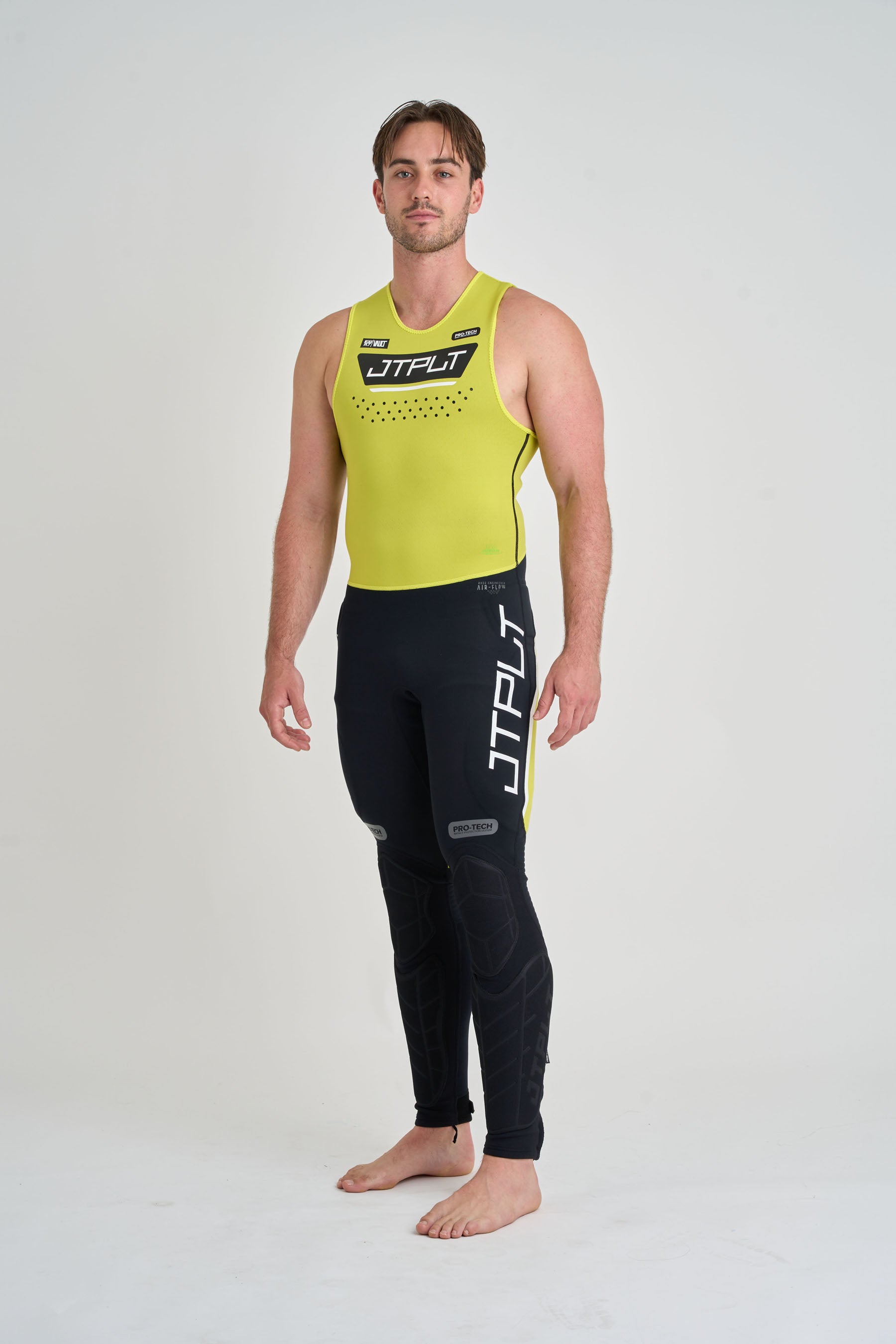
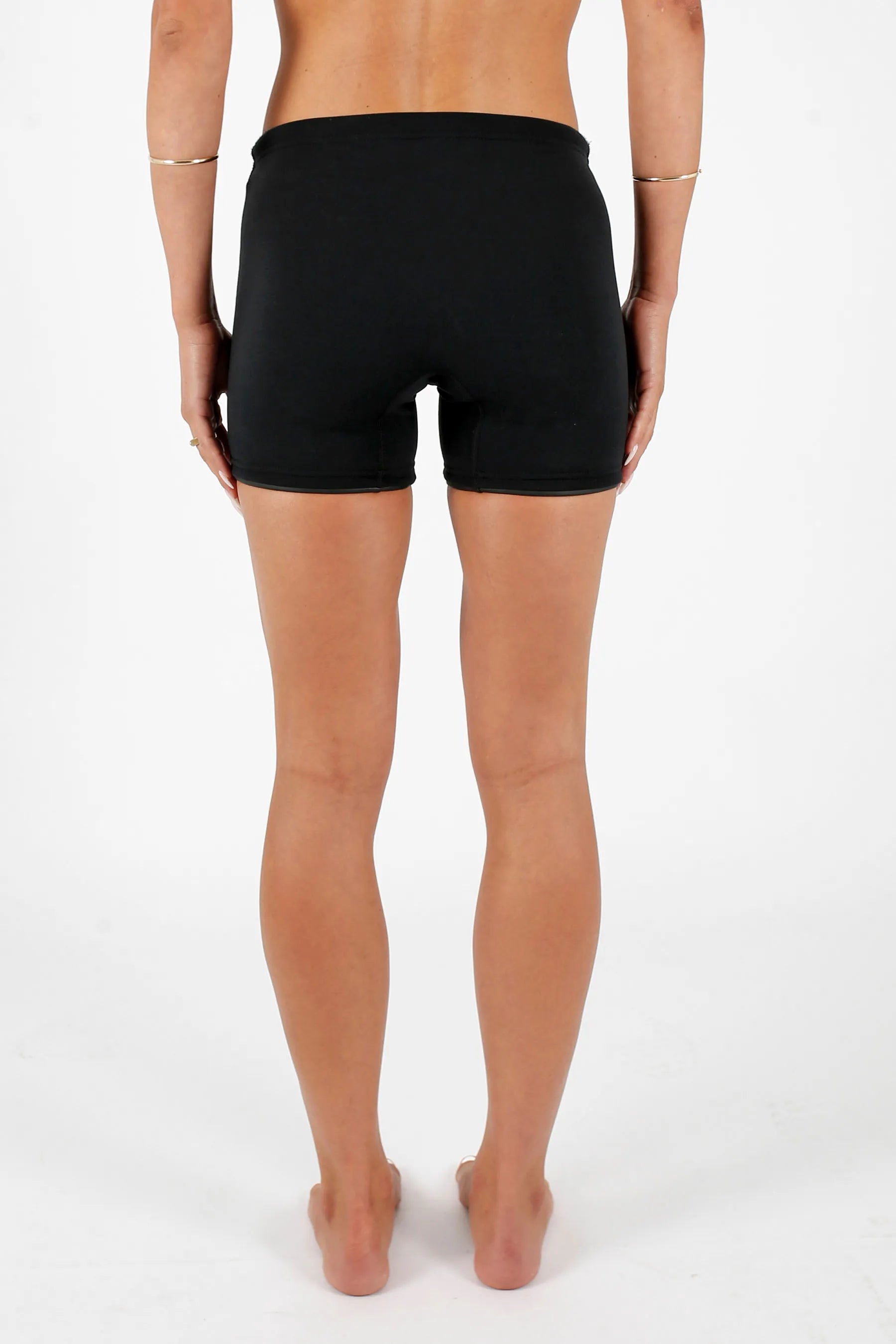
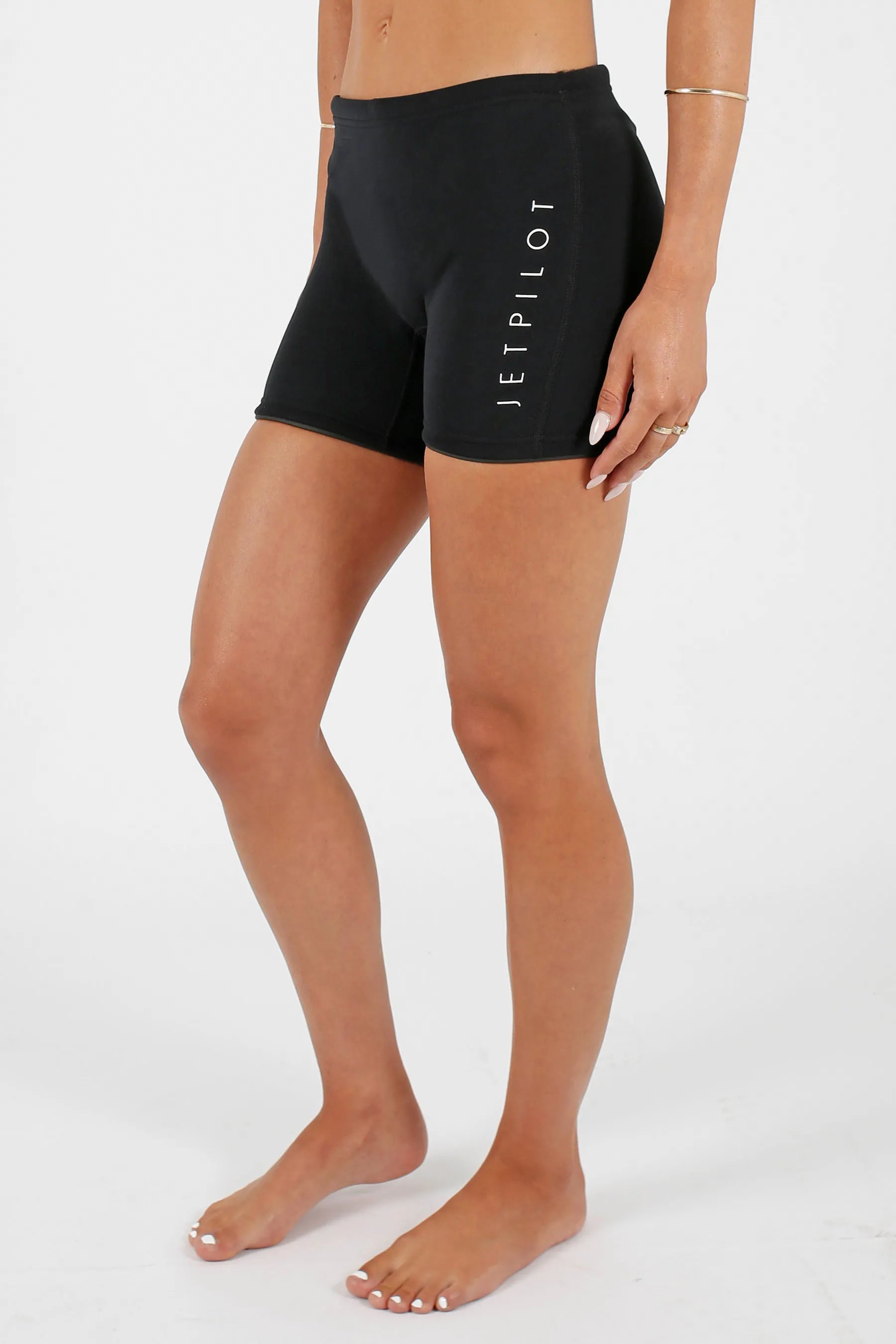


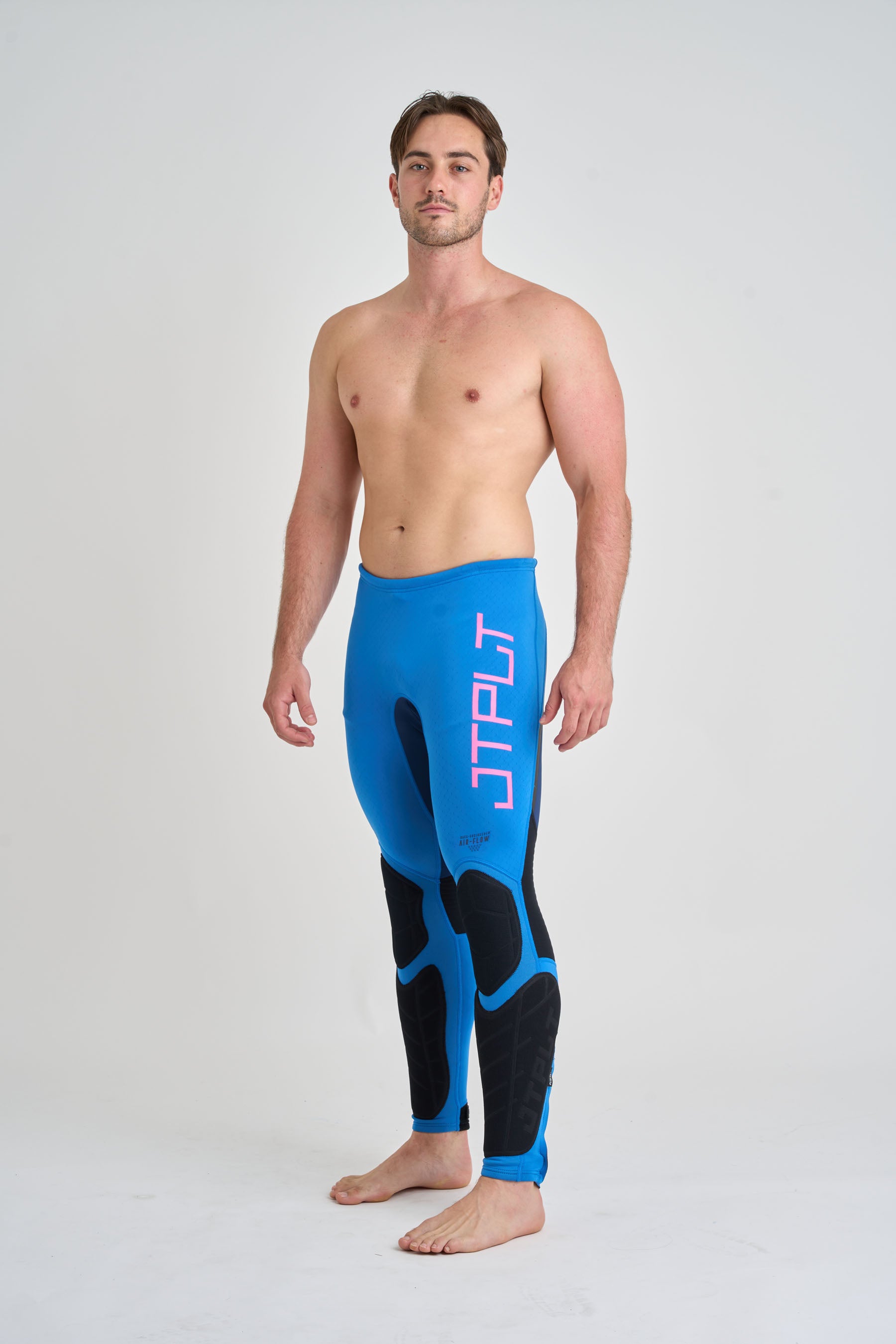
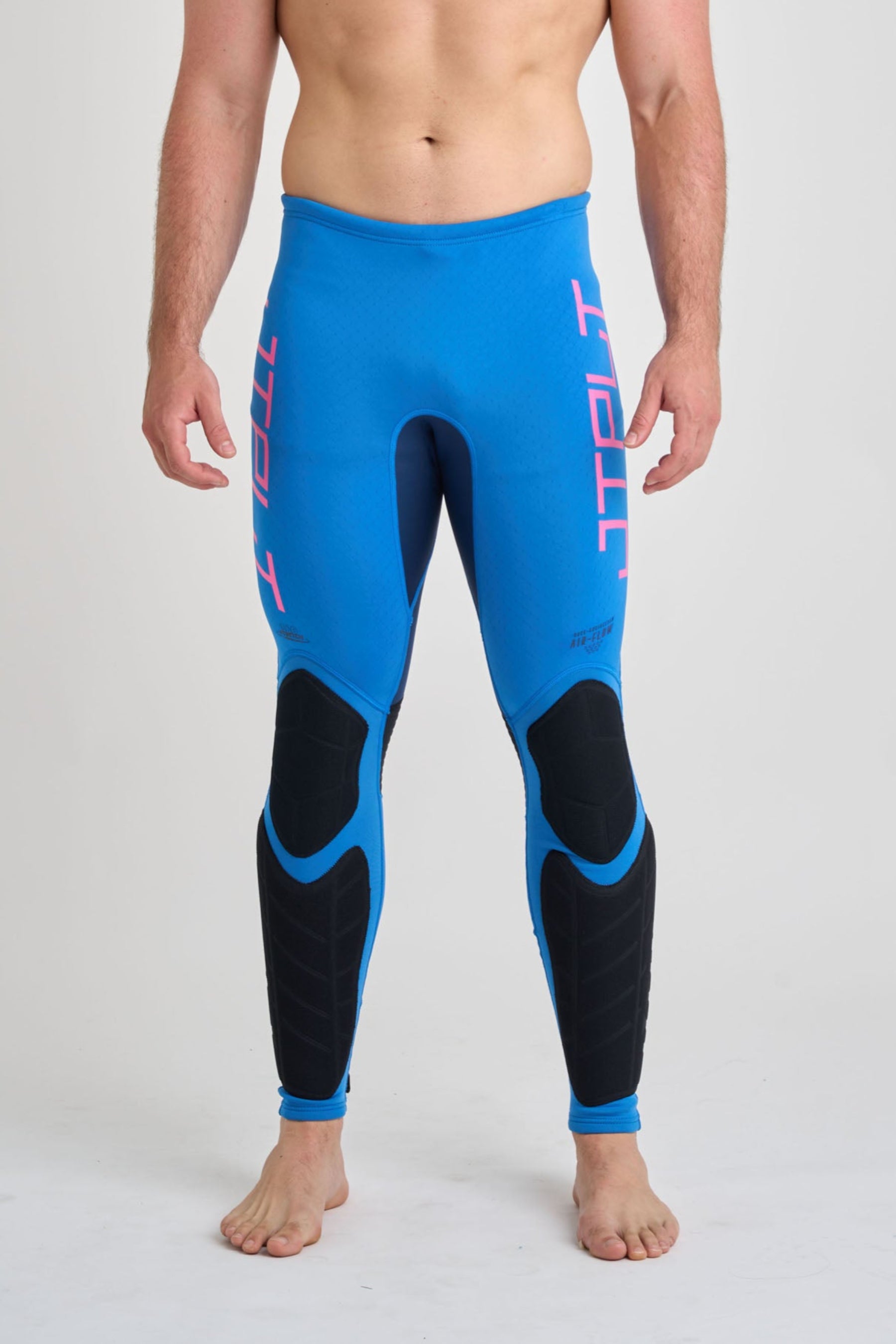
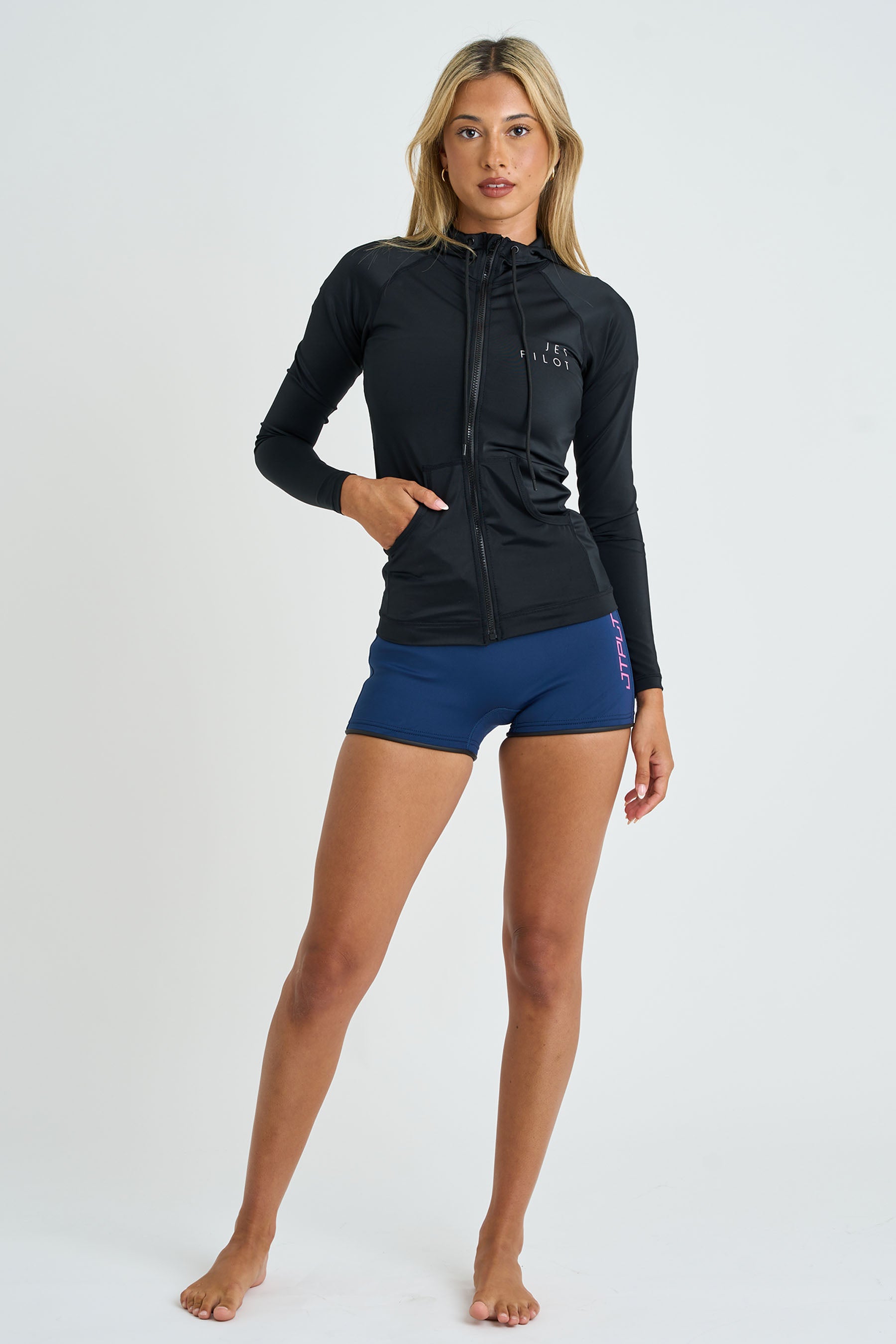
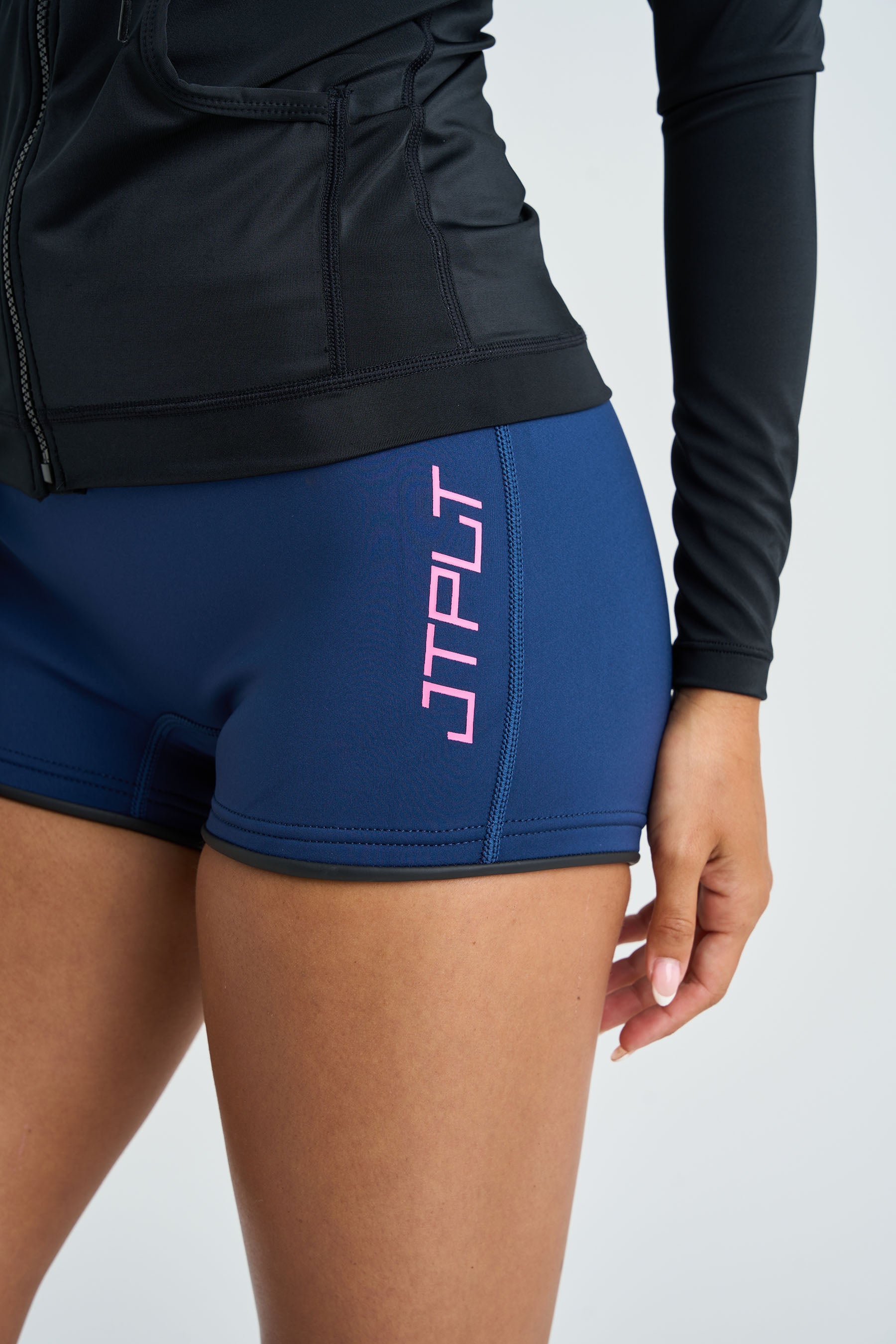


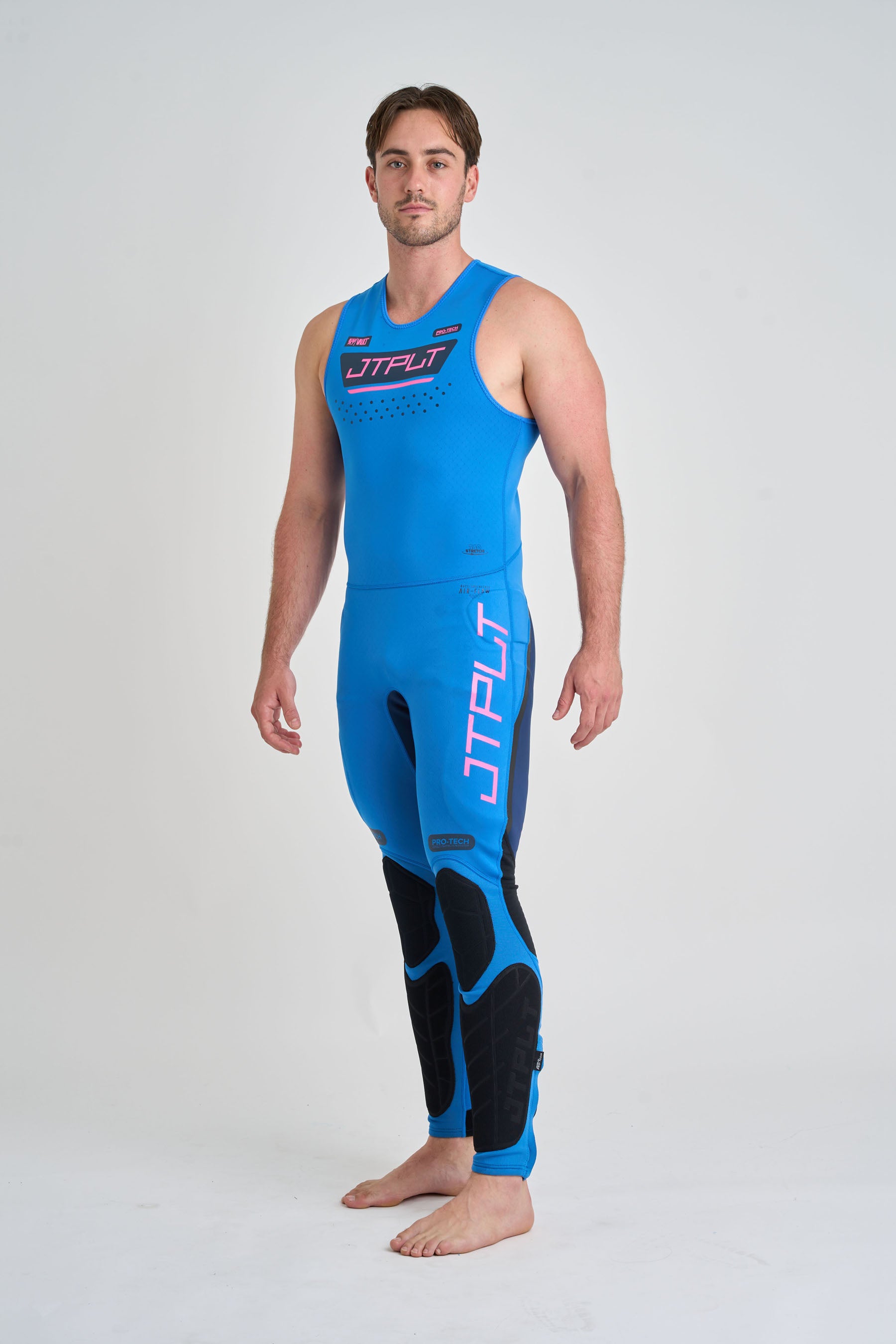
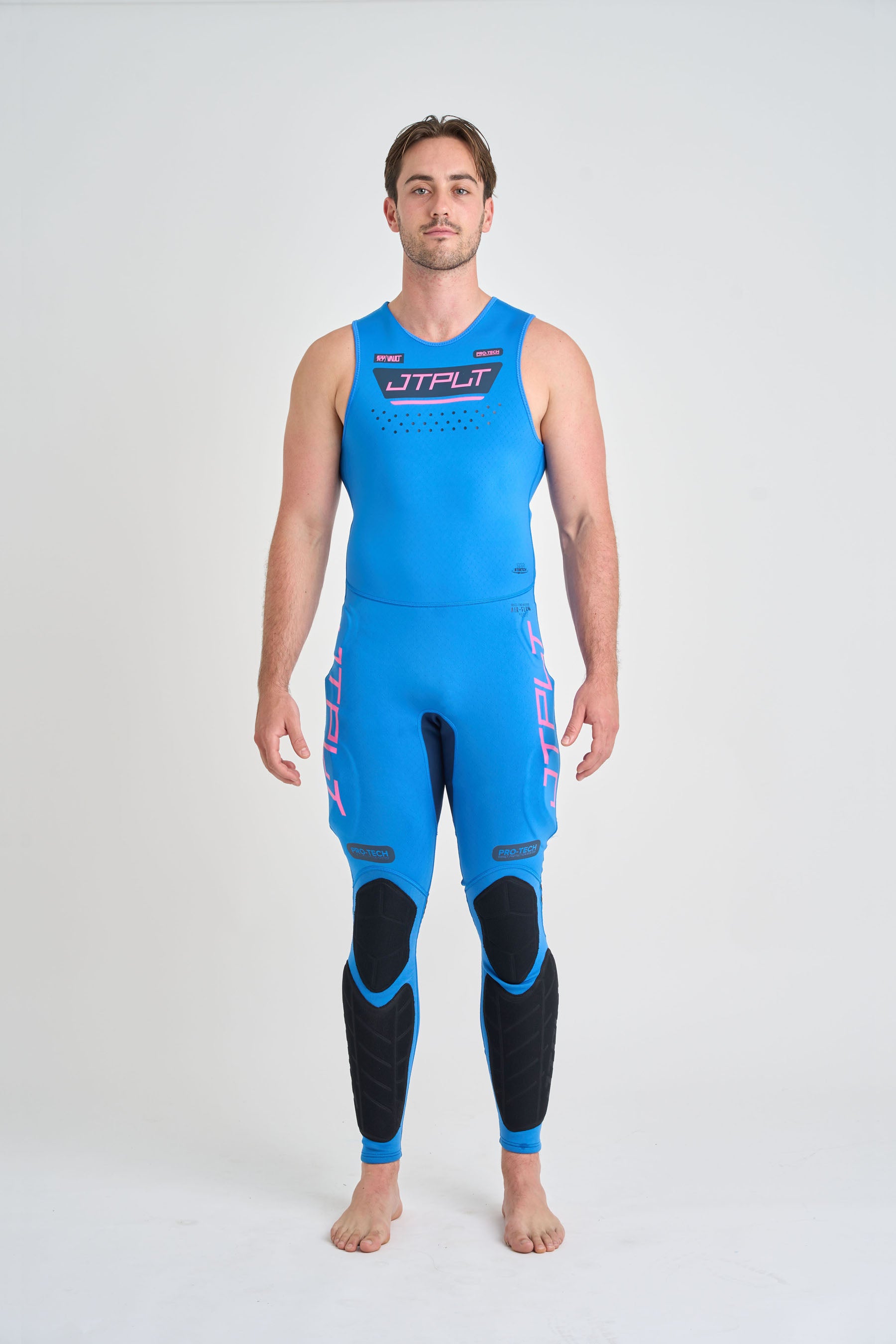
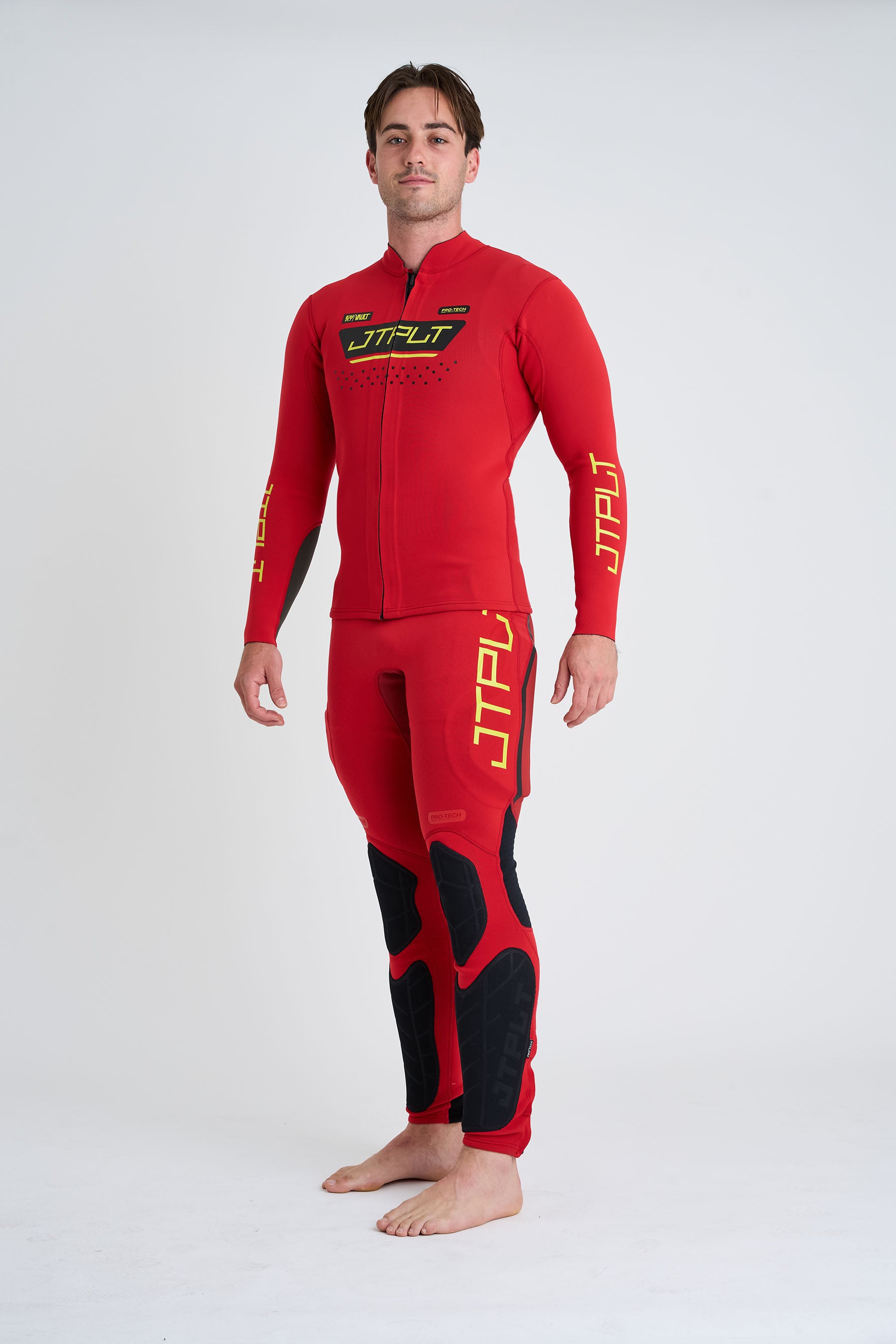
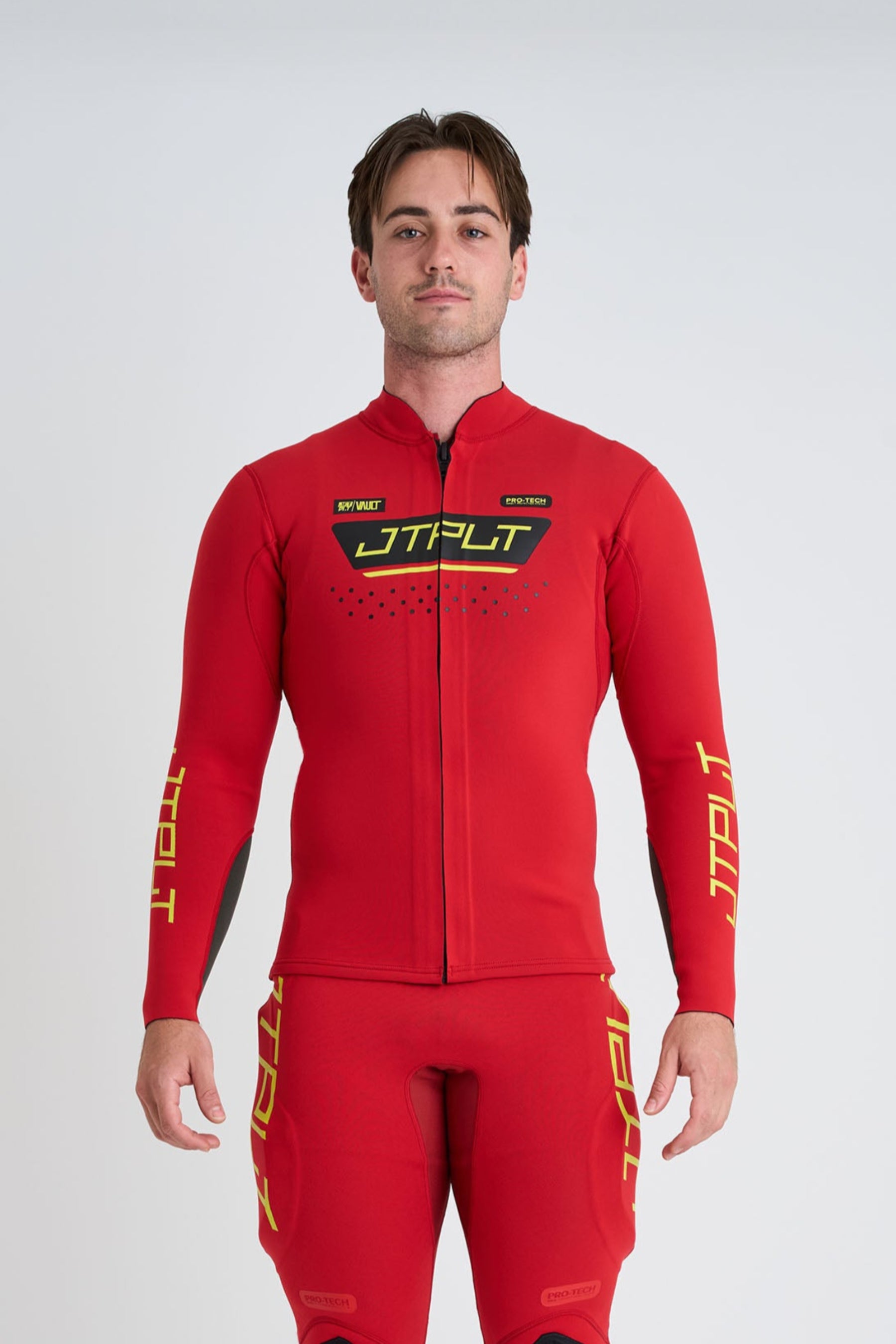
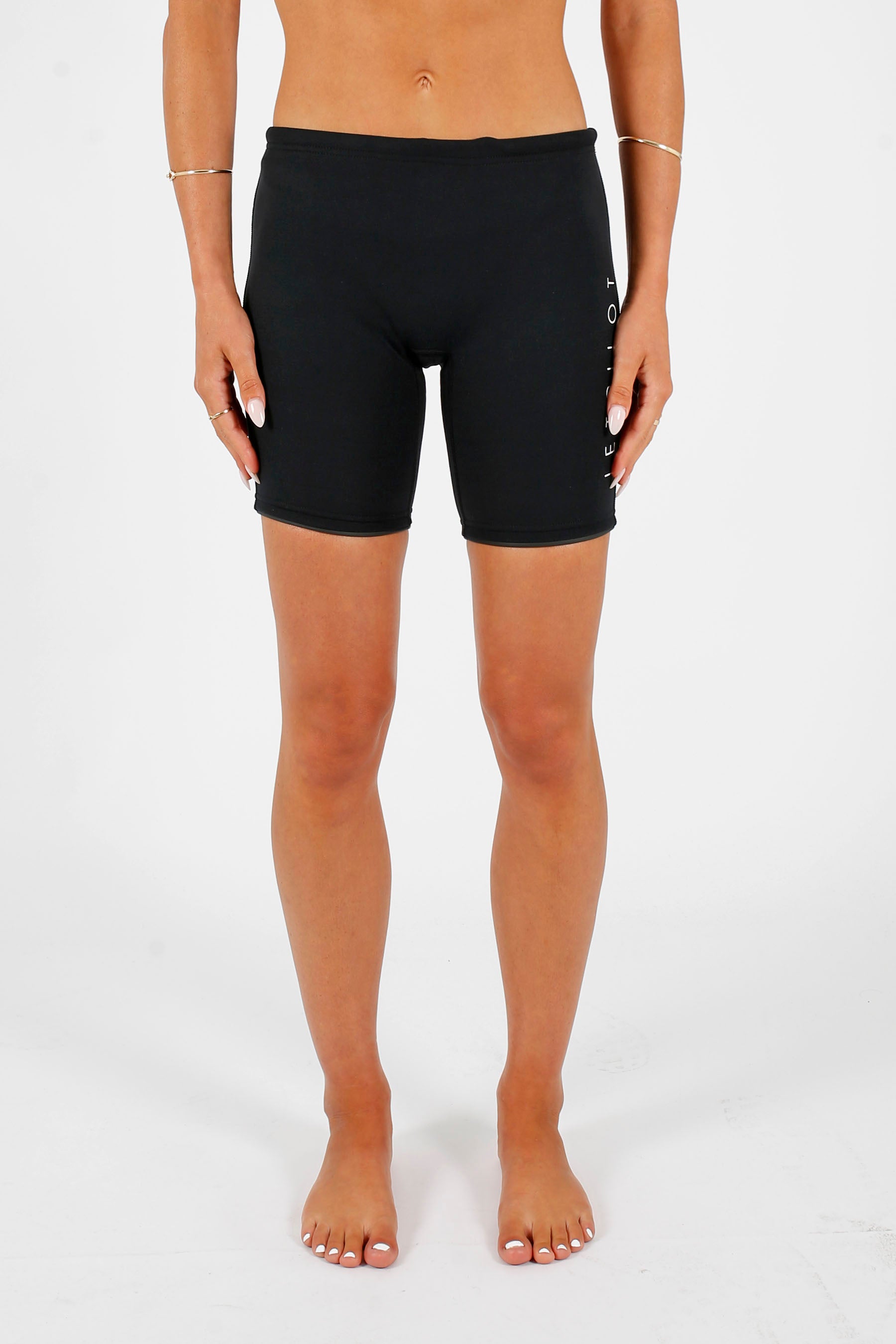
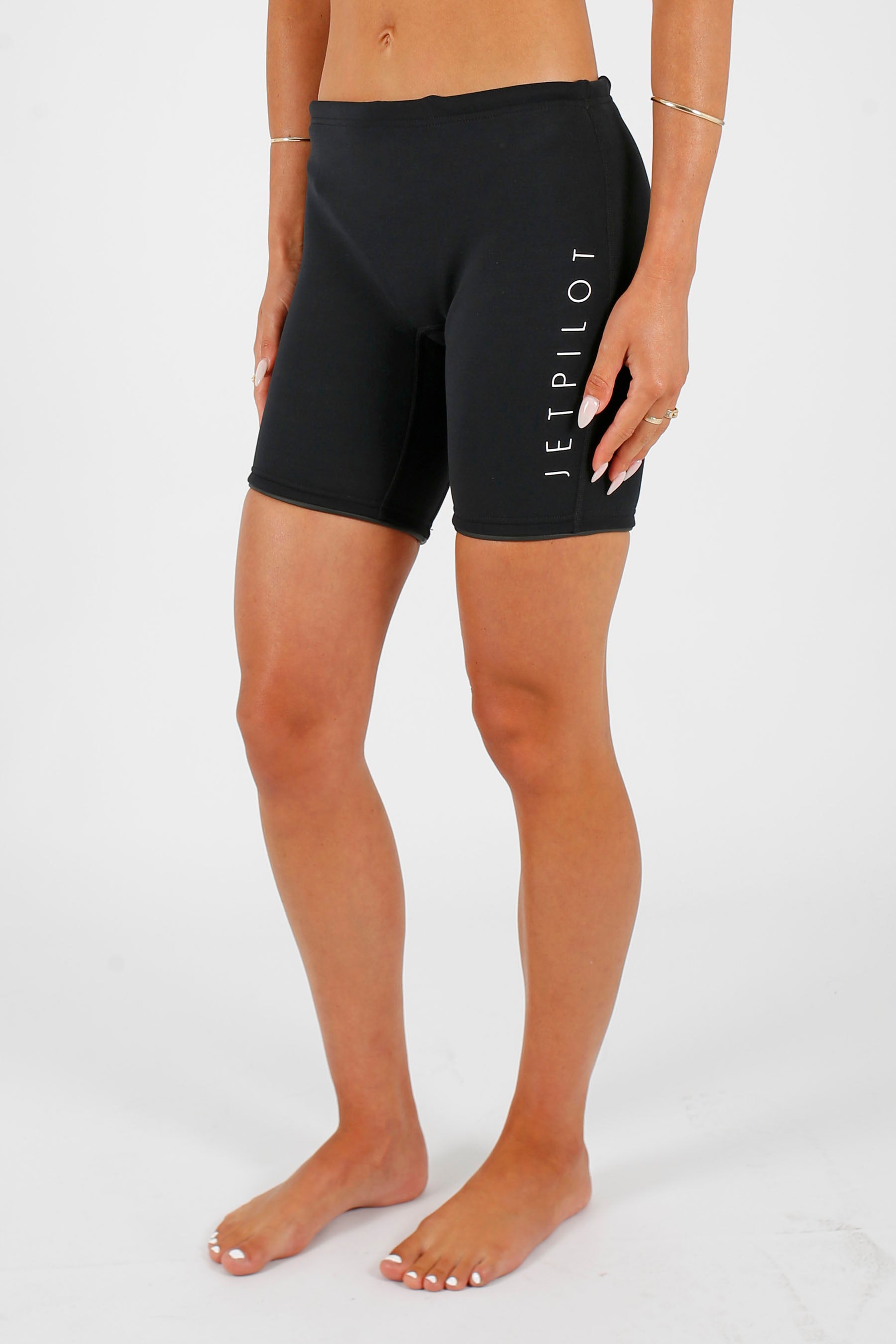
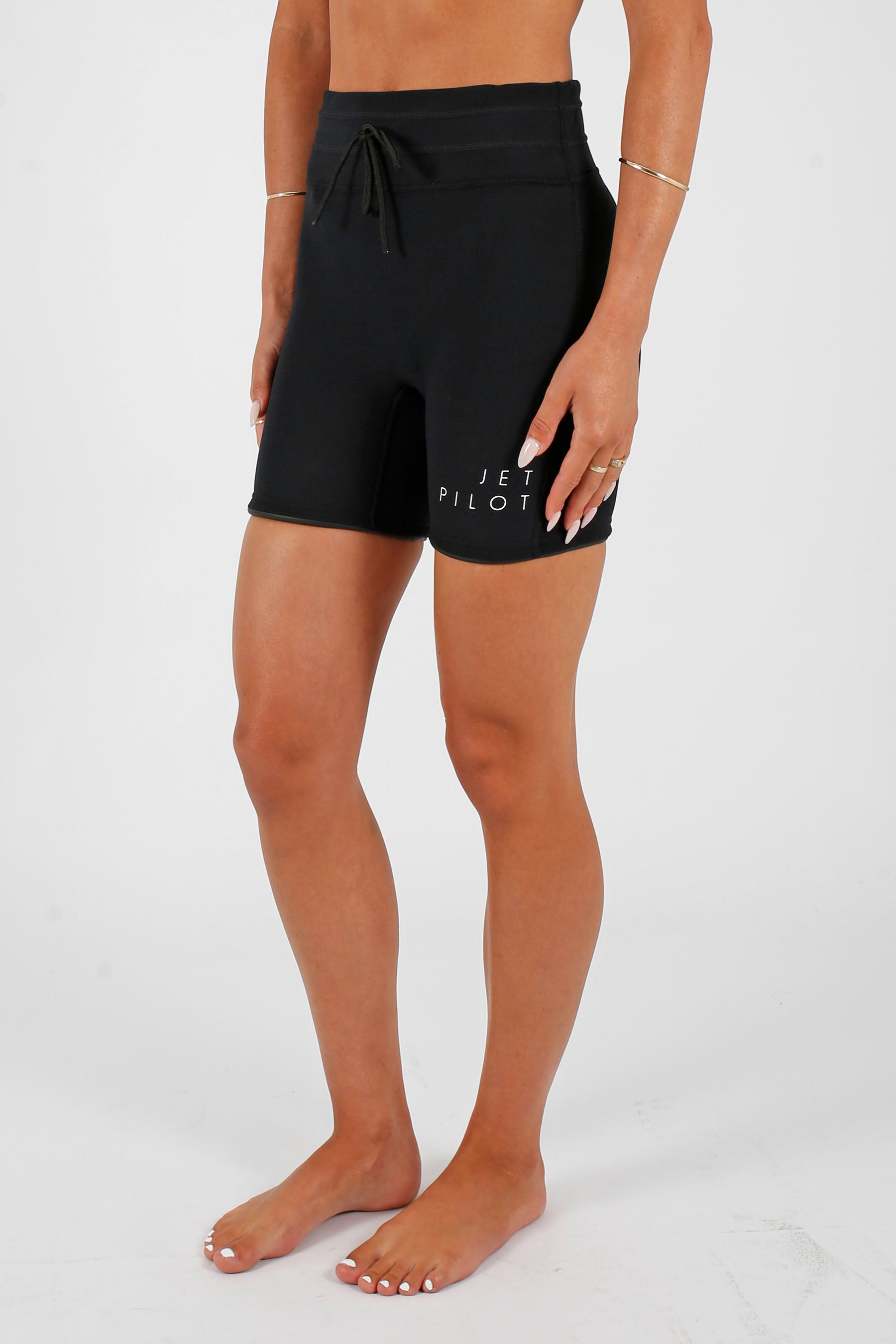
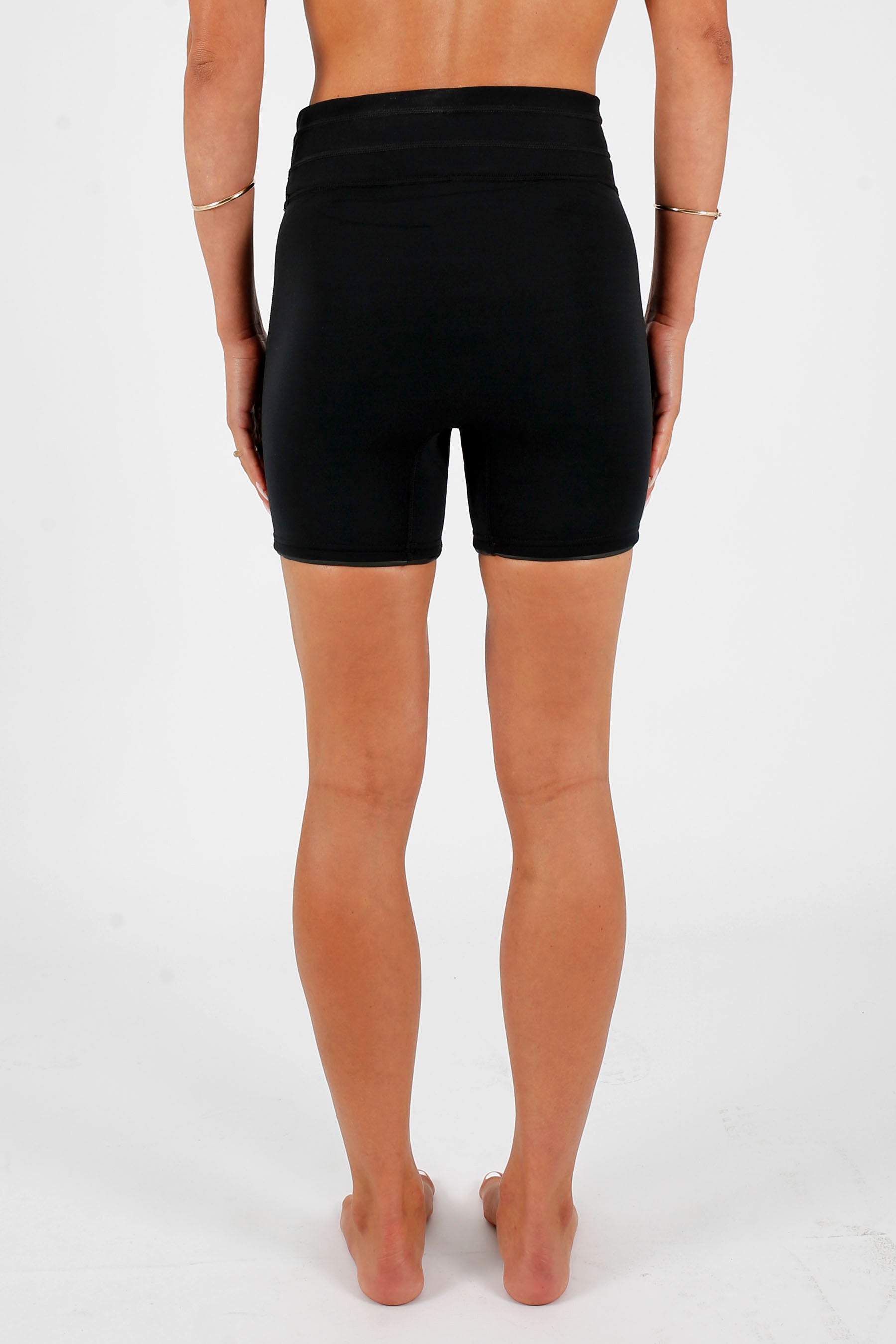
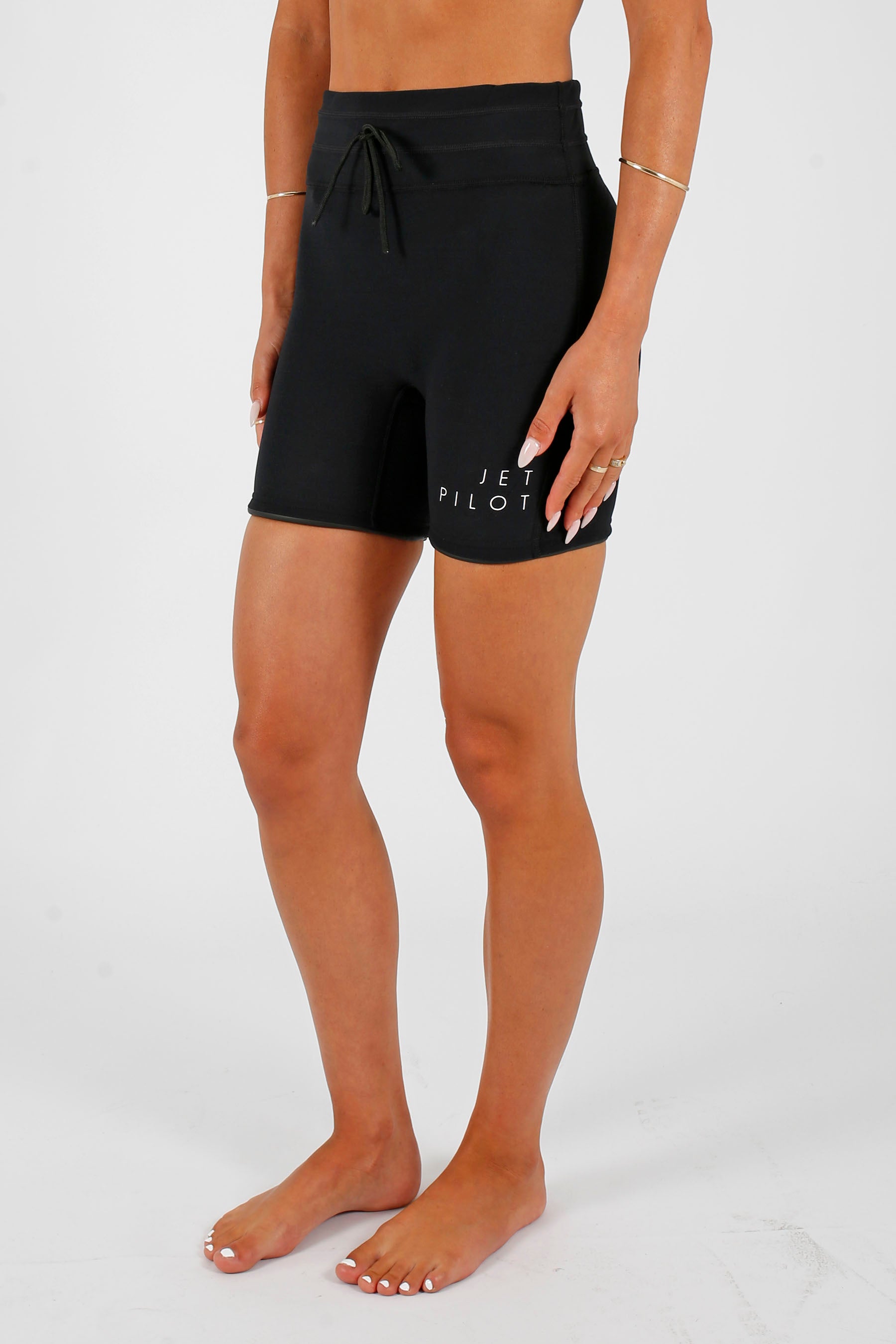
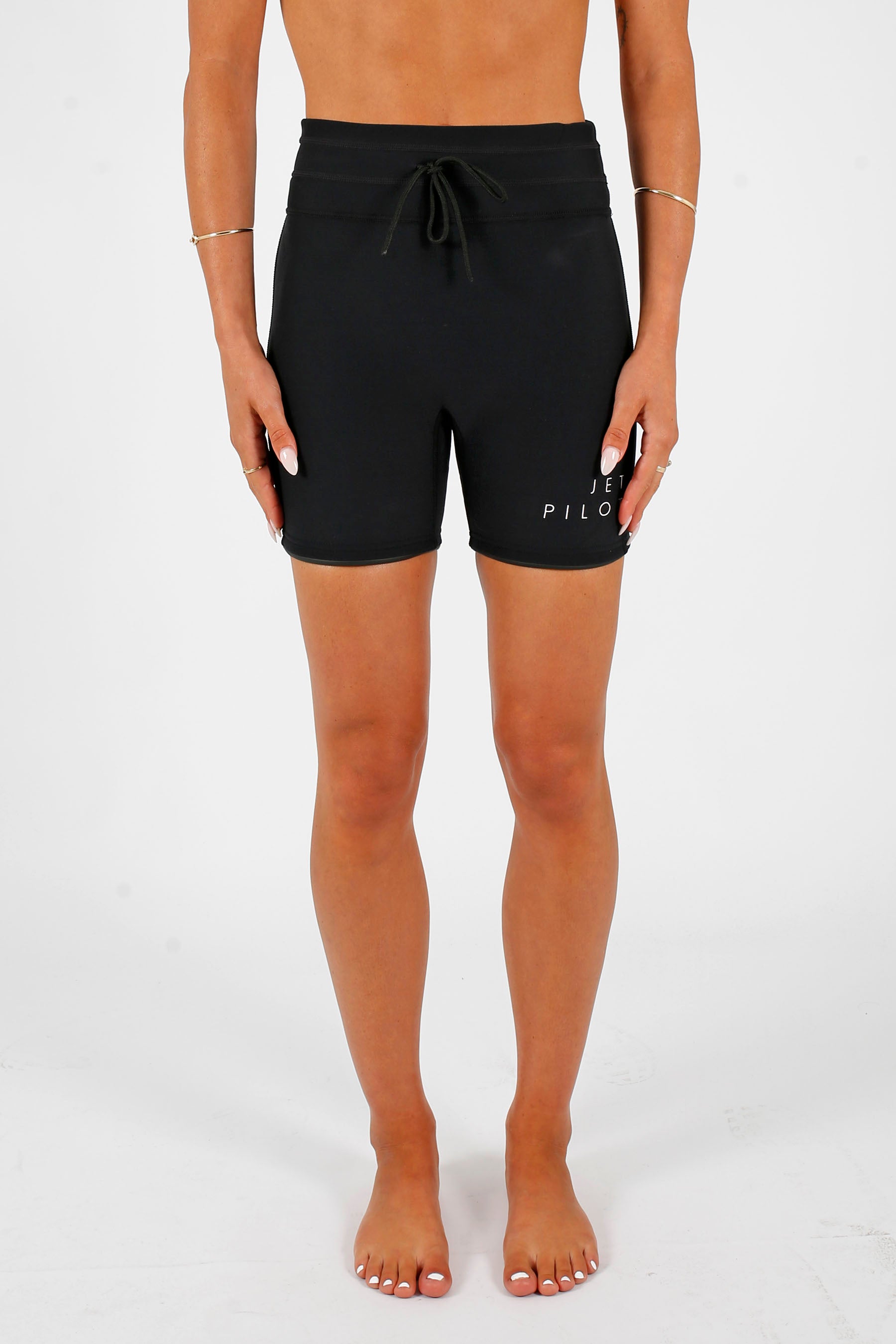
Jetpilot wetsuits — the complete range across men's, women's and kids' / youth cuts. From competition jetski riding to relaxed coastal cruising, every Jetpilot suit uses 100% 360° stretch neoprene with thermal lining and is designed for real use on the water. Since 1986, Jetpilot has been designing watersports gear that performs in genuine conditions.
Choosing the right thickness for water temperature
Thickness matches water temperature and session length. 2/2 mm springsuits for water above 22 °C. 3/2 mm steamers for 17–22 °C. 4/3 mm for 13–17 °C. 5/4 mm for under 13 °C. The first number is torso thickness; the second is arm and leg thickness. When in doubt, go thicker — overheating is easier to manage in-water than chilling out.
Men's, women's or youth cut?
Men's wetsuits have a broader chest and longer back panel, anatomically tuned for the male torso. Women's wetsuits are cut with anatomical bust profiles, narrower shoulders and a defined waist. Youth and kids' wetsuits account for smaller proportions and faster cooling of younger bodies — often a thickness step up versus adult sizing for the same temperature.
Steamer, springsuit or race john?
A steamer is a full-length suit with long arms and legs — the standard for year-round use. A springsuit has short arms and legs, ideal for warm water. A race john is sleeveless and pairs with a separate jacket — common in jetski racing. Our RX Vault Racing Collection covers ISO 12402-certified race johns. For long sessions on the water, the Venture Series uses fast-drying construction.
Materials and construction
All Jetpilot wetsuits use 100% 360° stretch neoprene with thermal lining for warmth and freedom of movement. Standard features across the line: Jet-Lok seam construction reduces water entry compared to standard GBS seams; YKK zips for durability; Jet-Tech knee pads for abrasion resistance. The Ecoprene variant is built for environmentally-conscious riders — equivalent performance, reduced production impact.
Frequently asked questions
What thickness wetsuit do I need?
Match thickness to water temperature: 2/2 mm springsuit above 22 °C, 3/2 mm steamer for 17–22 °C, 4/3 mm for 13–17 °C, 5/4 mm for under 13 °C. For cold-water sessions, add a hood, booties and gloves. When in doubt, go thicker.
What do you wear under a wetsuit?
Direct skin contact works best — the wetsuit insulates by trapping a thin water layer that warms with body heat. For shared suits or sensitive skin, a thin rashguard or lycra layer underneath is fine. In very cold water, a neoprene hood under the collar adds significant thermal benefit.
Are wetsuits 100% waterproof?
No — wetsuits are permeable by design. They work because a small amount of water enters and is warmed by the body to form the insulating layer. For full waterproofing, you need a drysuit (different category). Jet-Lok seams minimise water entry but don't eliminate it.
Does a wetsuit work for triathlon?
Our standard collection is optimised for watersports performance (jetski, wakeboard, general watersports). For triathlon competition, specific material rules often apply (e.g. max 5 mm thickness). Most Jetpilot suits meet these requirements but check your race rules. The Venture and X1 Hyperflex suits are commonly used for triathlon training and casual events.
How should a wetsuit fit?
Snug but not restrictive. Neoprene stretches slightly in water. Sized by chest, waist and height — not regular clothing size. Measure all three and compare to our size chart. Too loose: water circulates and chills. Too tight: breathing and movement are restricted.
How do I care for my wetsuit?
Rinse with fresh water after every session — salt and chlorine attack seams and zips. Hang dry on a wide hanger in the shade, never in direct sun or near heaters. Store flat or hanging, never folded. With proper care, a Jetpilot wetsuit lasts 5–8 years of regular use.