


Wakeboard Life Jackets
Wake-specific cut: shorter front panel, segmented buoyancy, S-Grip closure that won't ride up on landings. Every Jetpilot wakeboard vest is ISO 12402-5 certified — meets cable-park requirements and works equally well behind the boat. Built for the way wakeboarders actually crash.
Filters
19 products


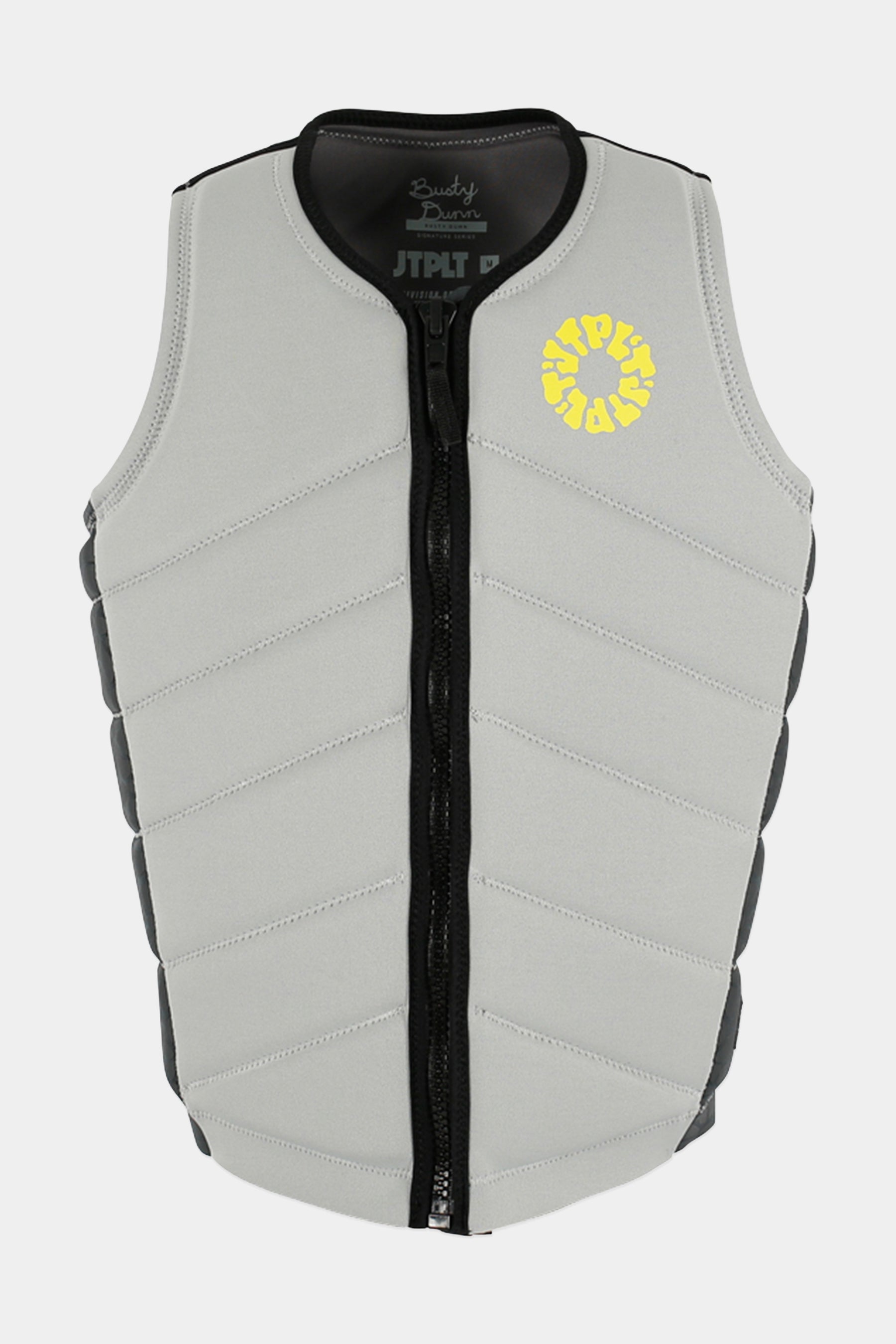
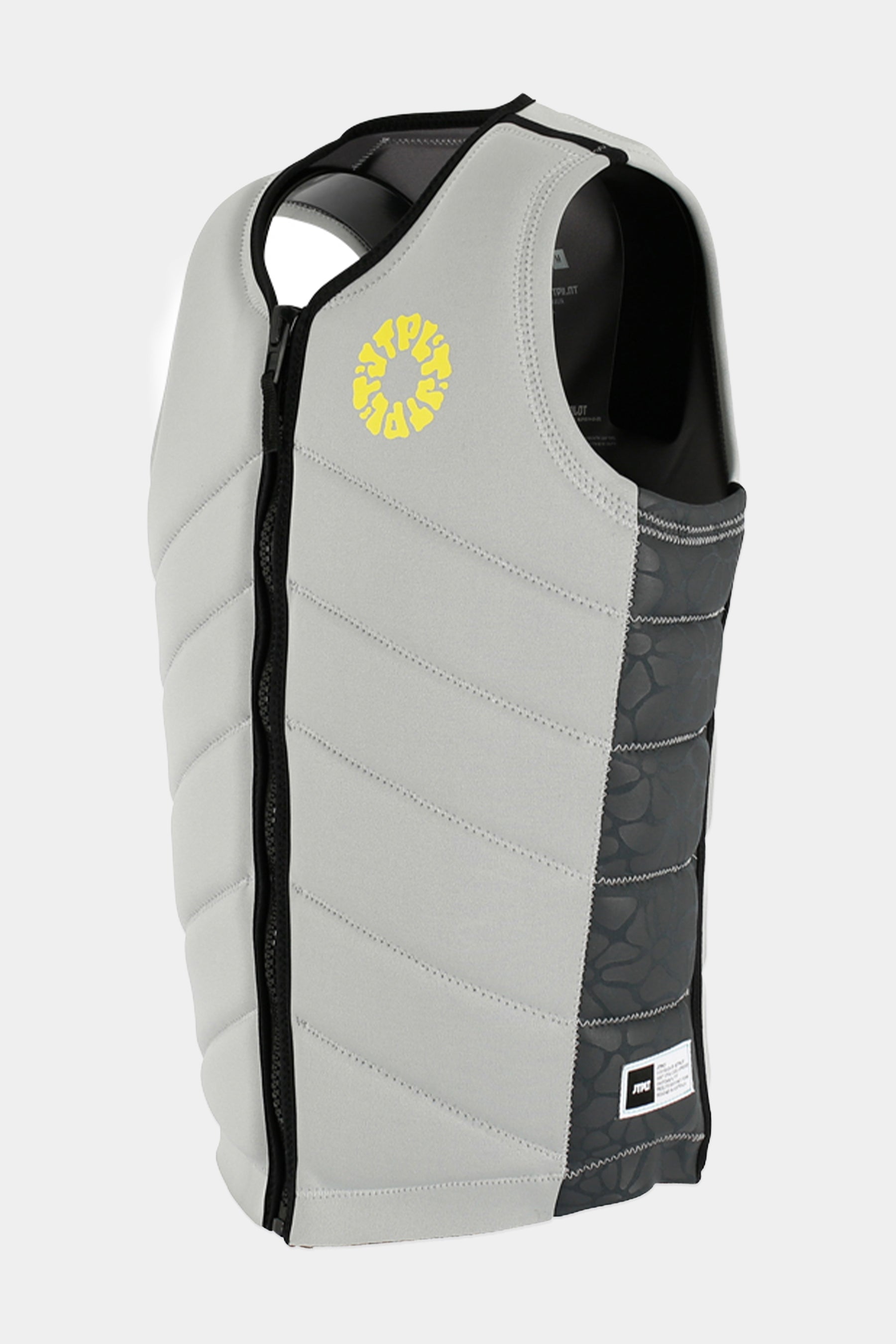


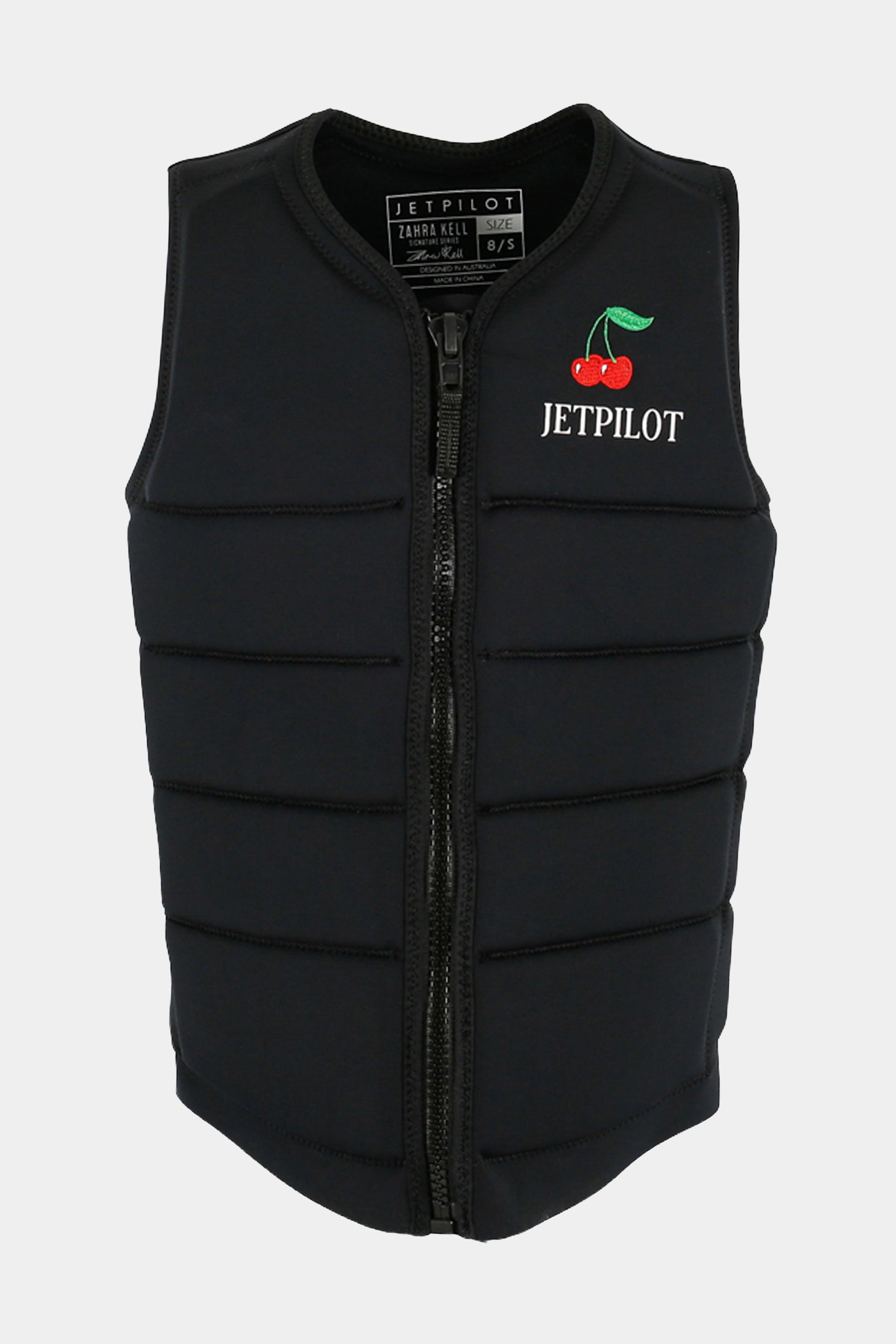
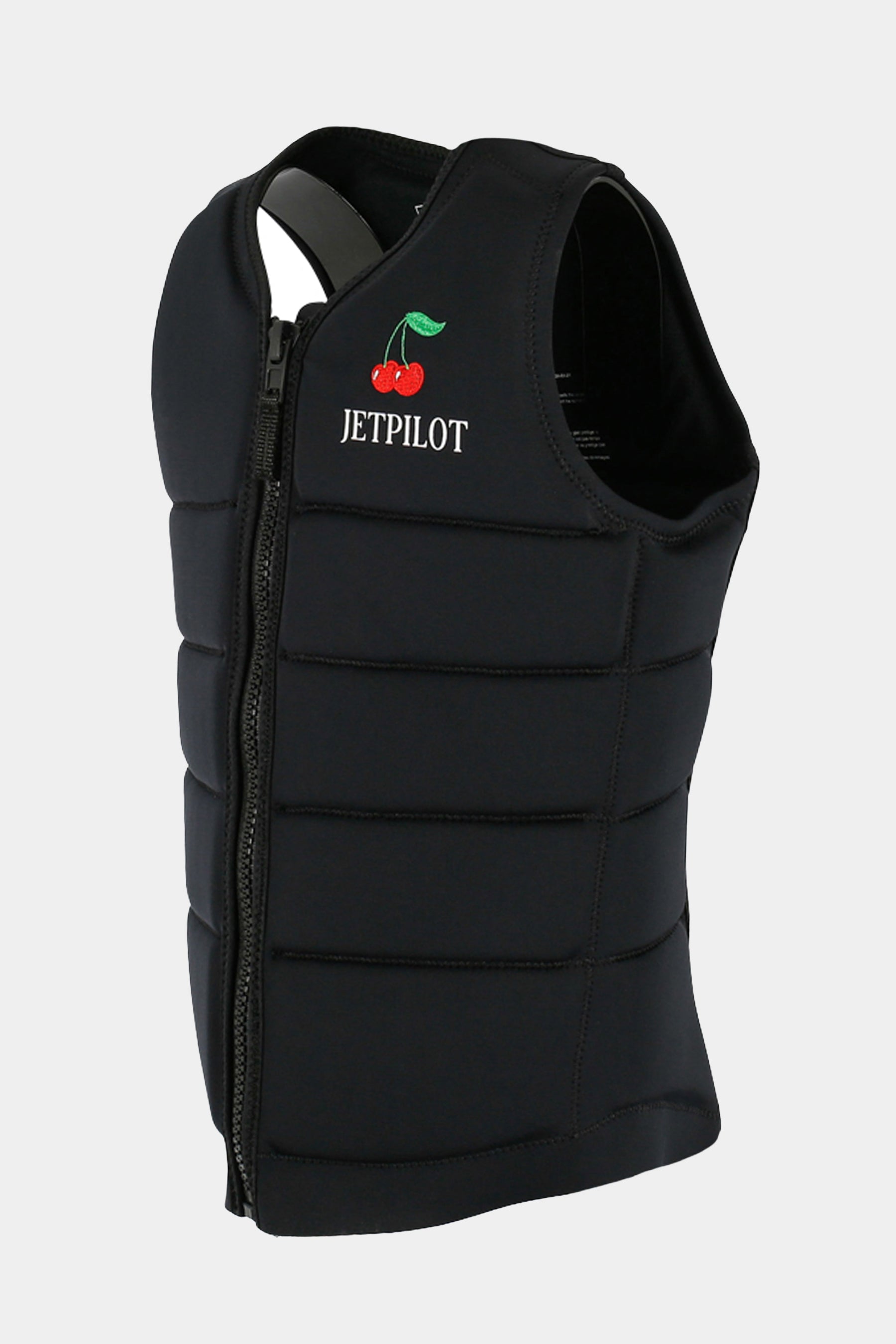


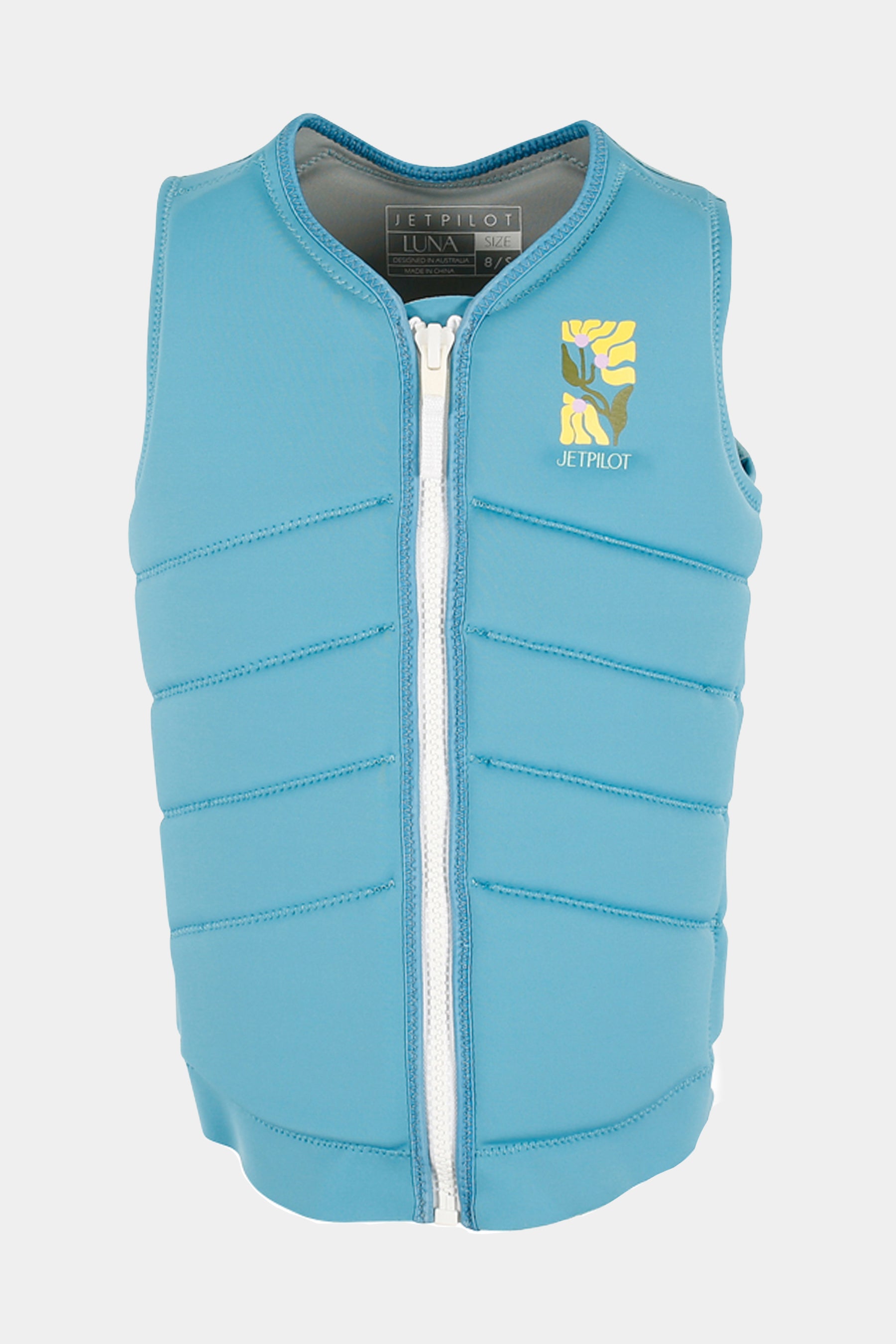
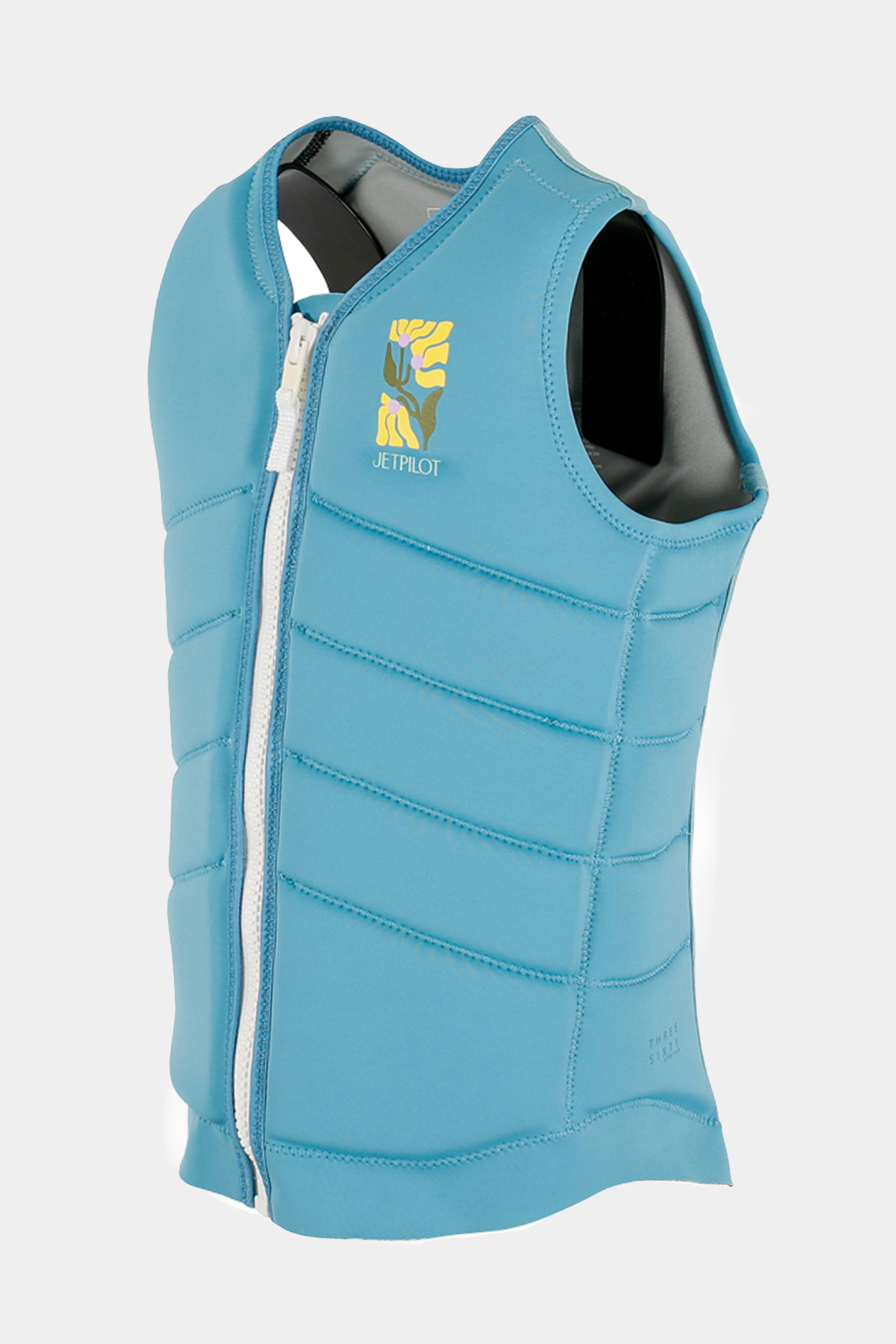


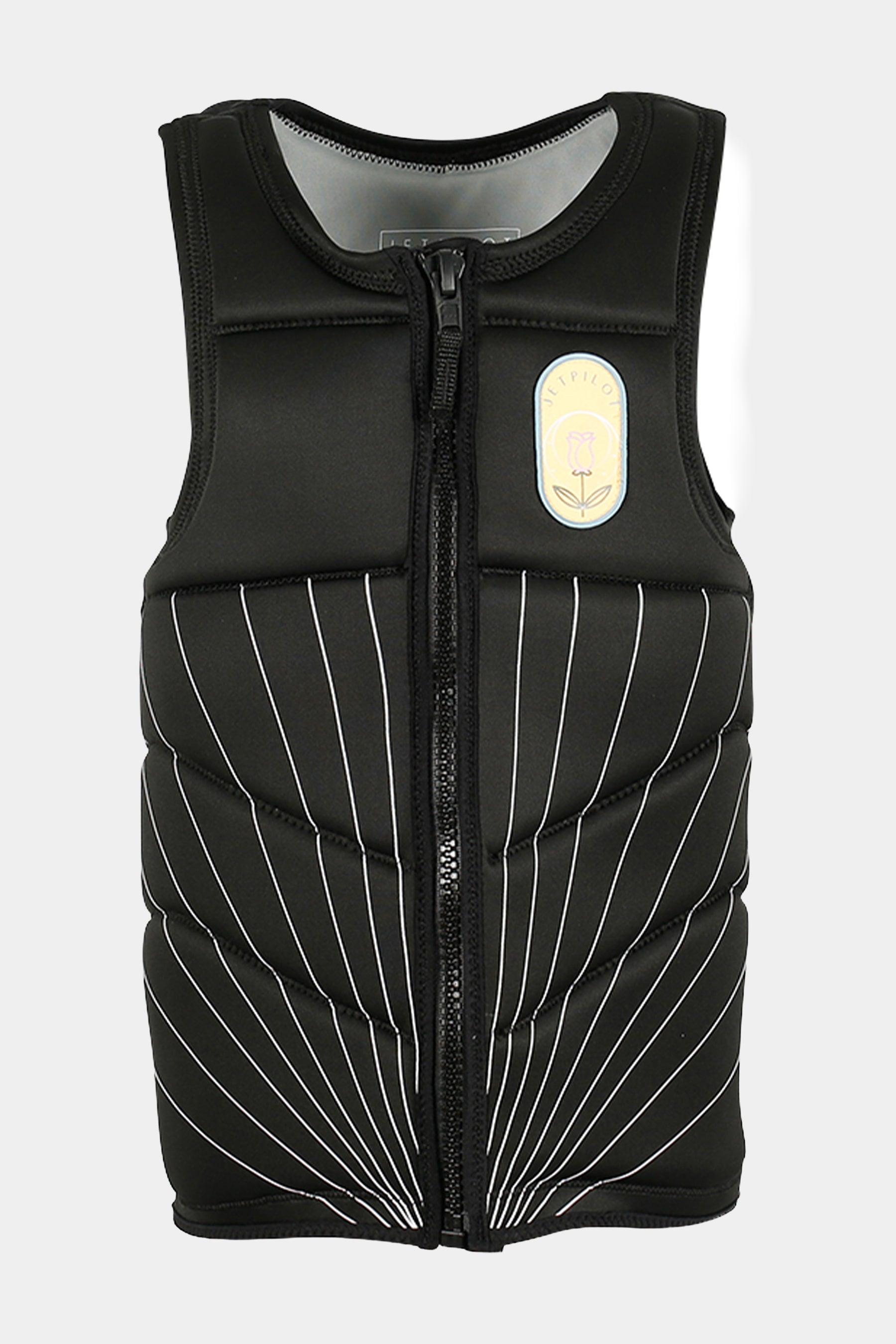
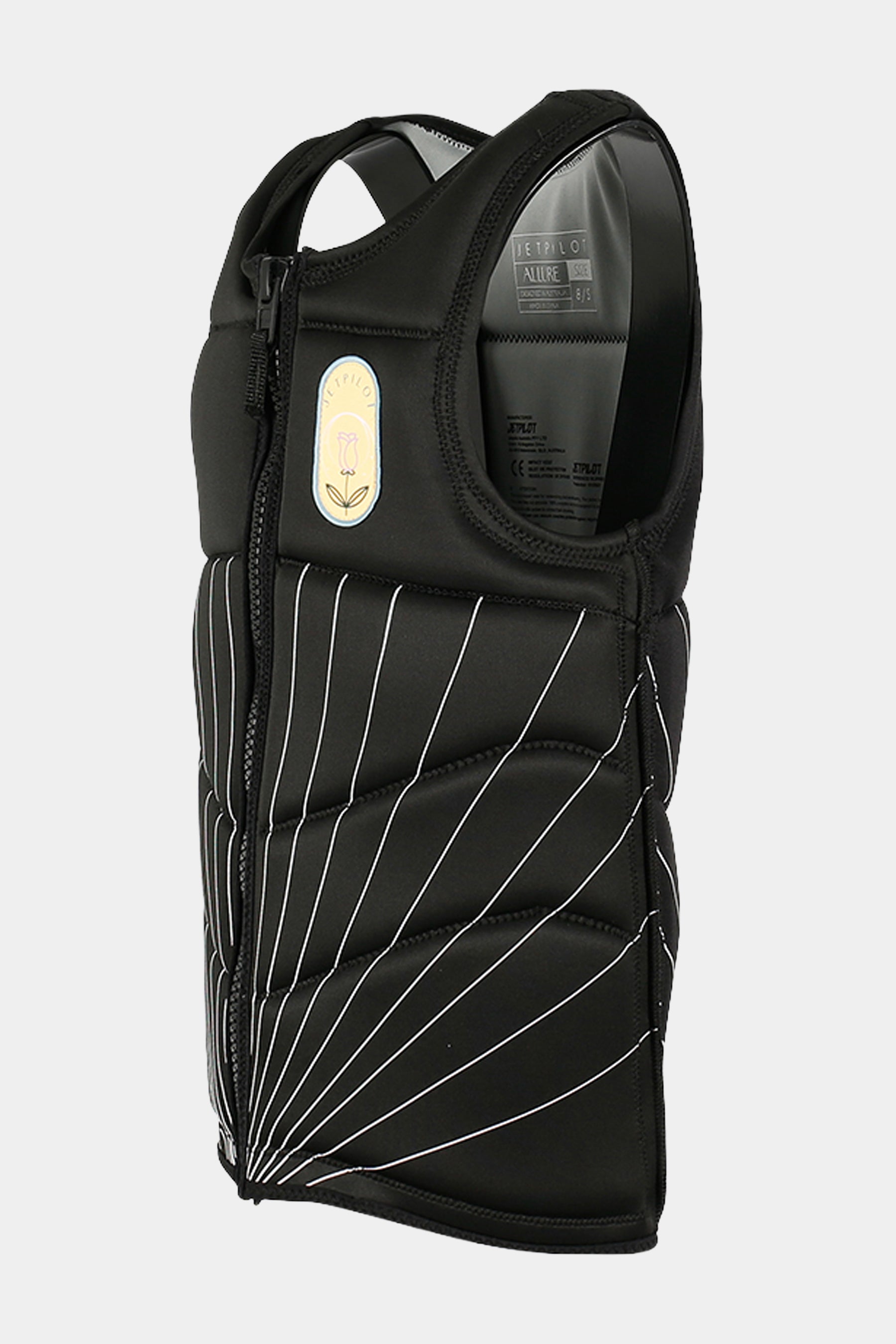
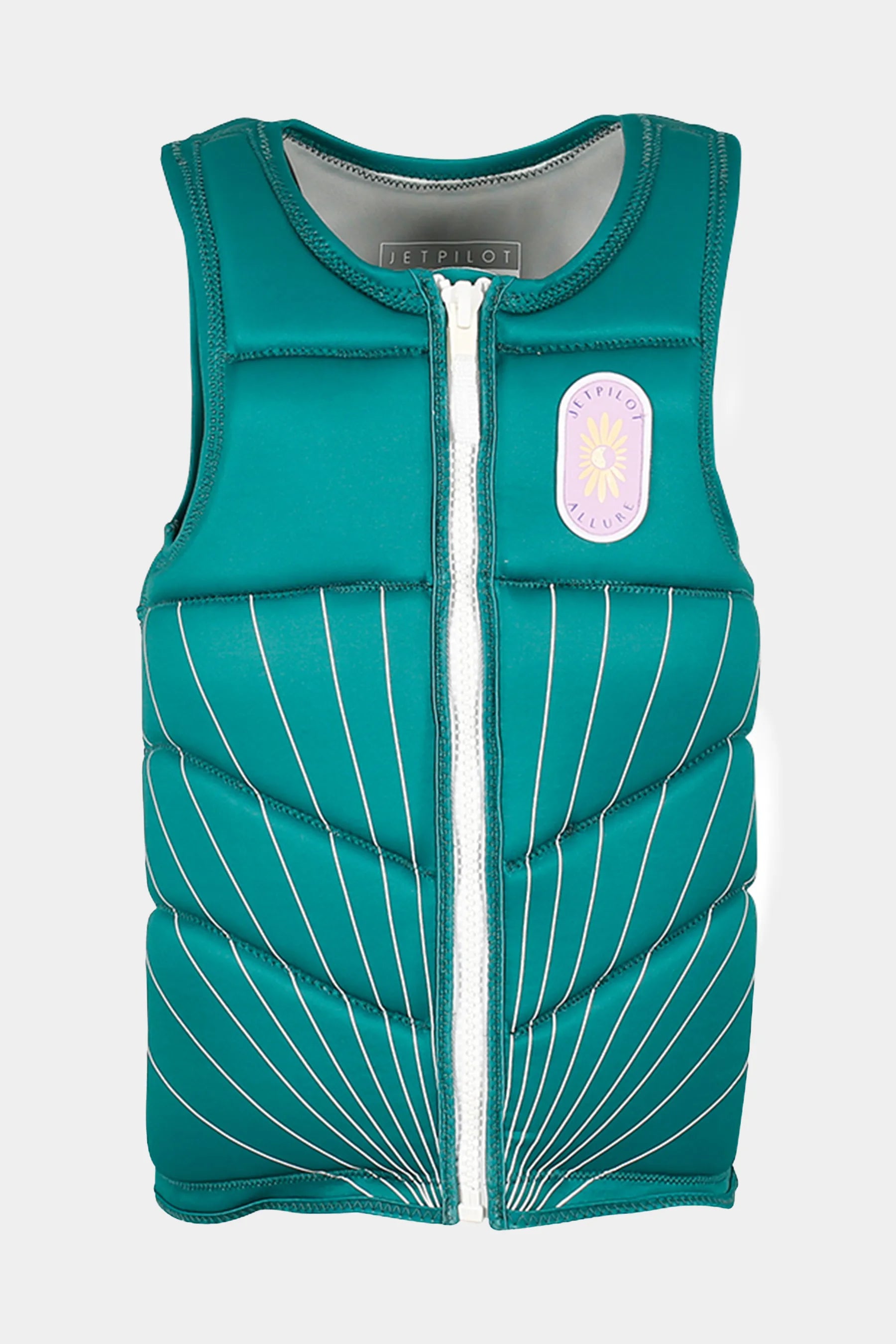
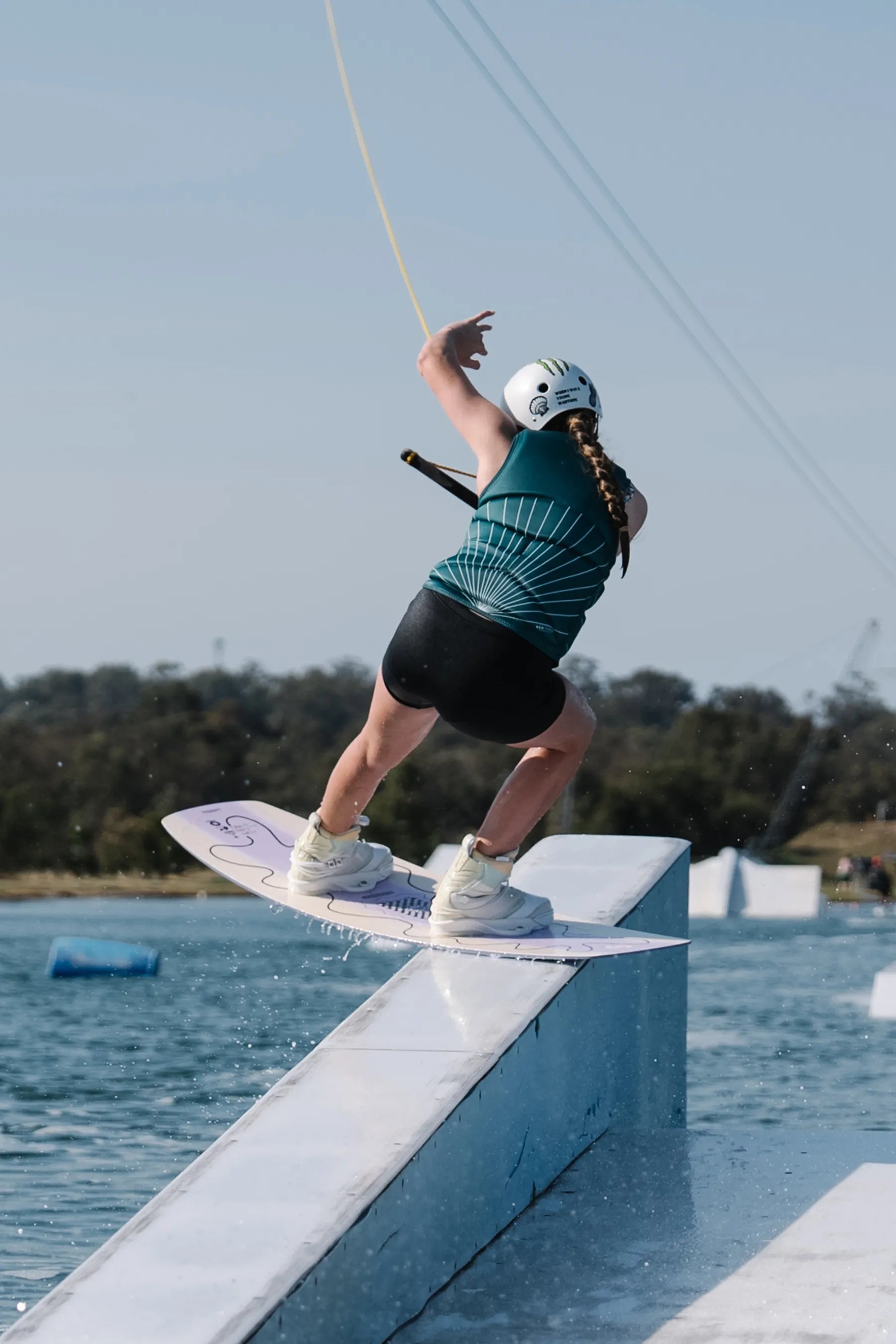


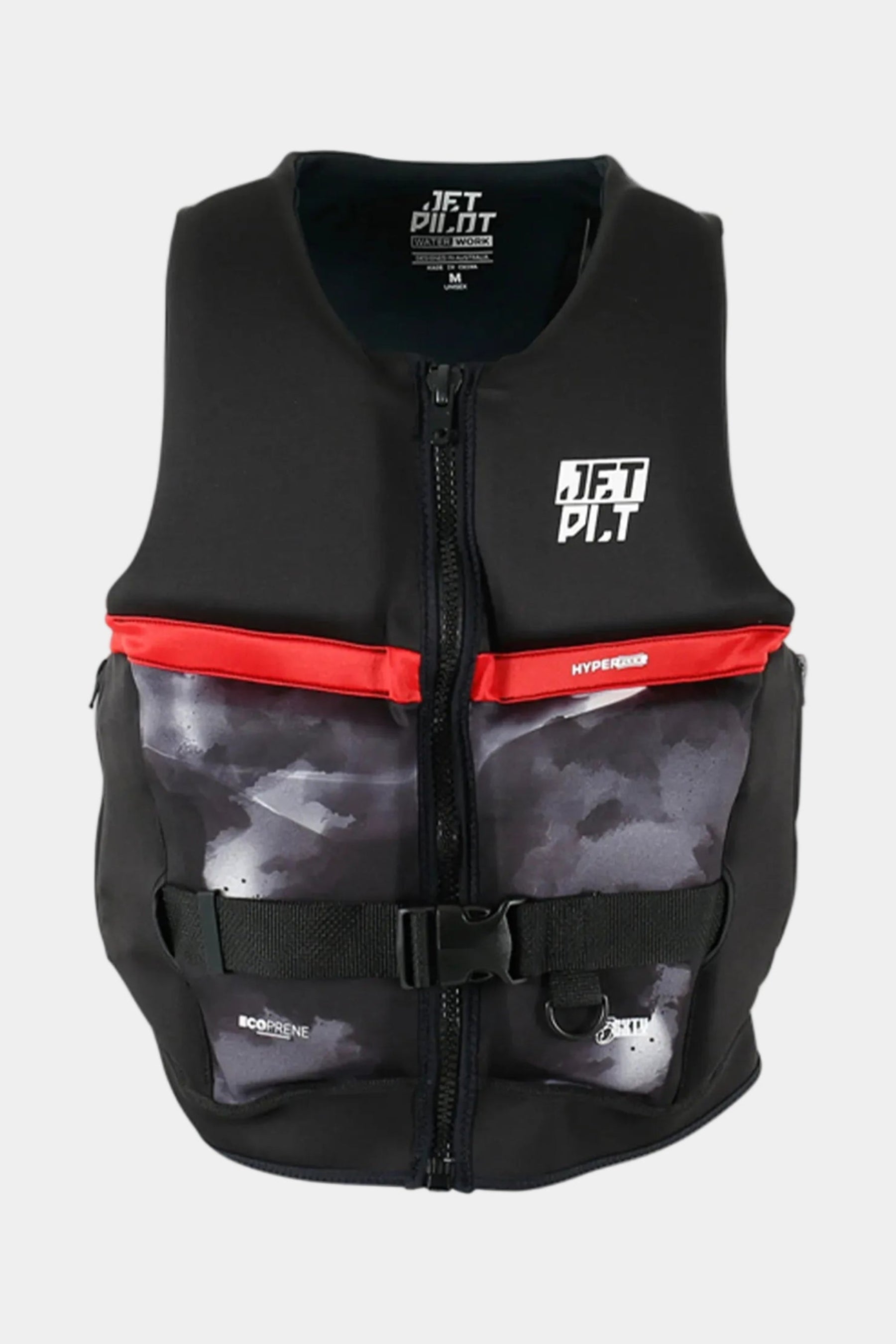
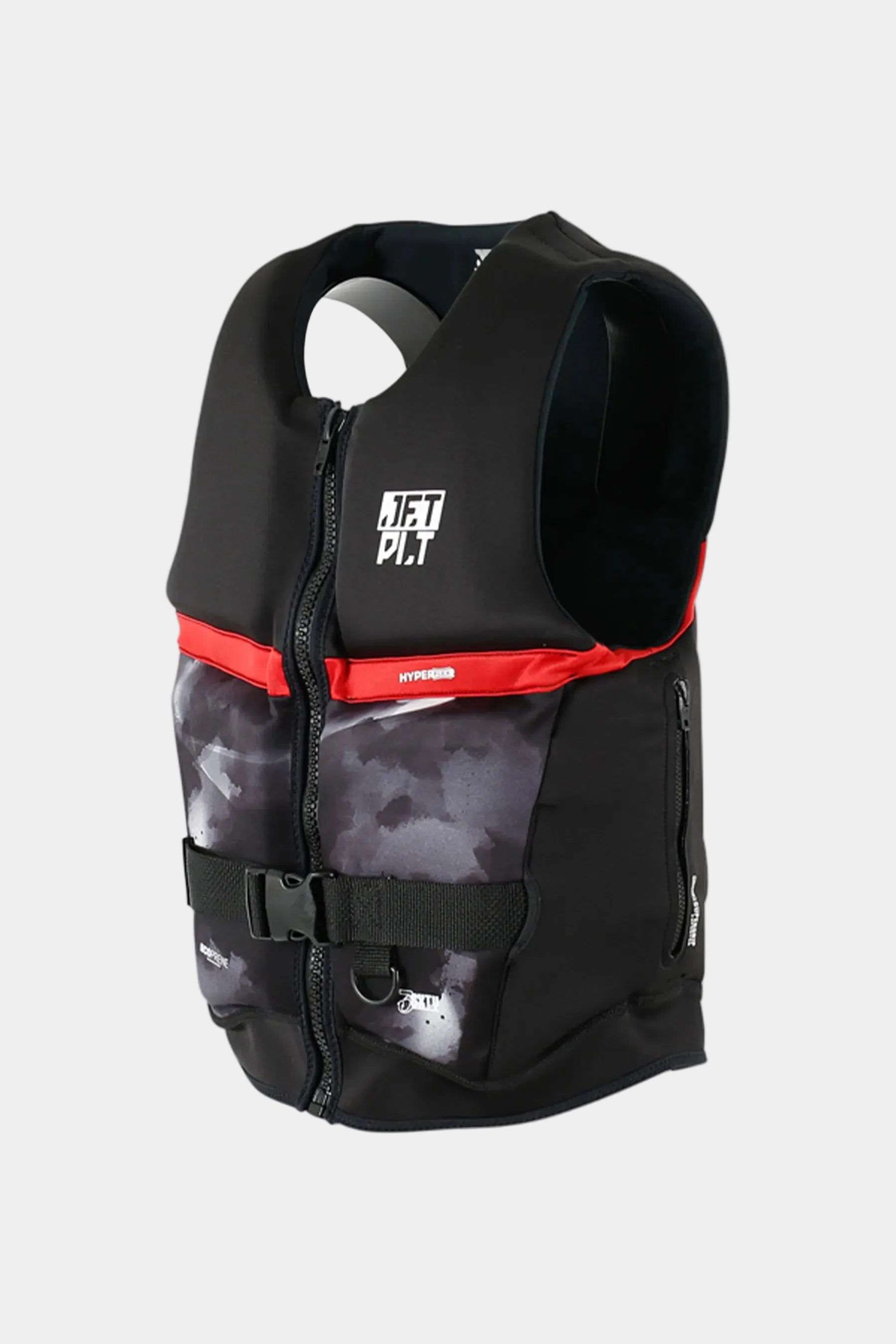
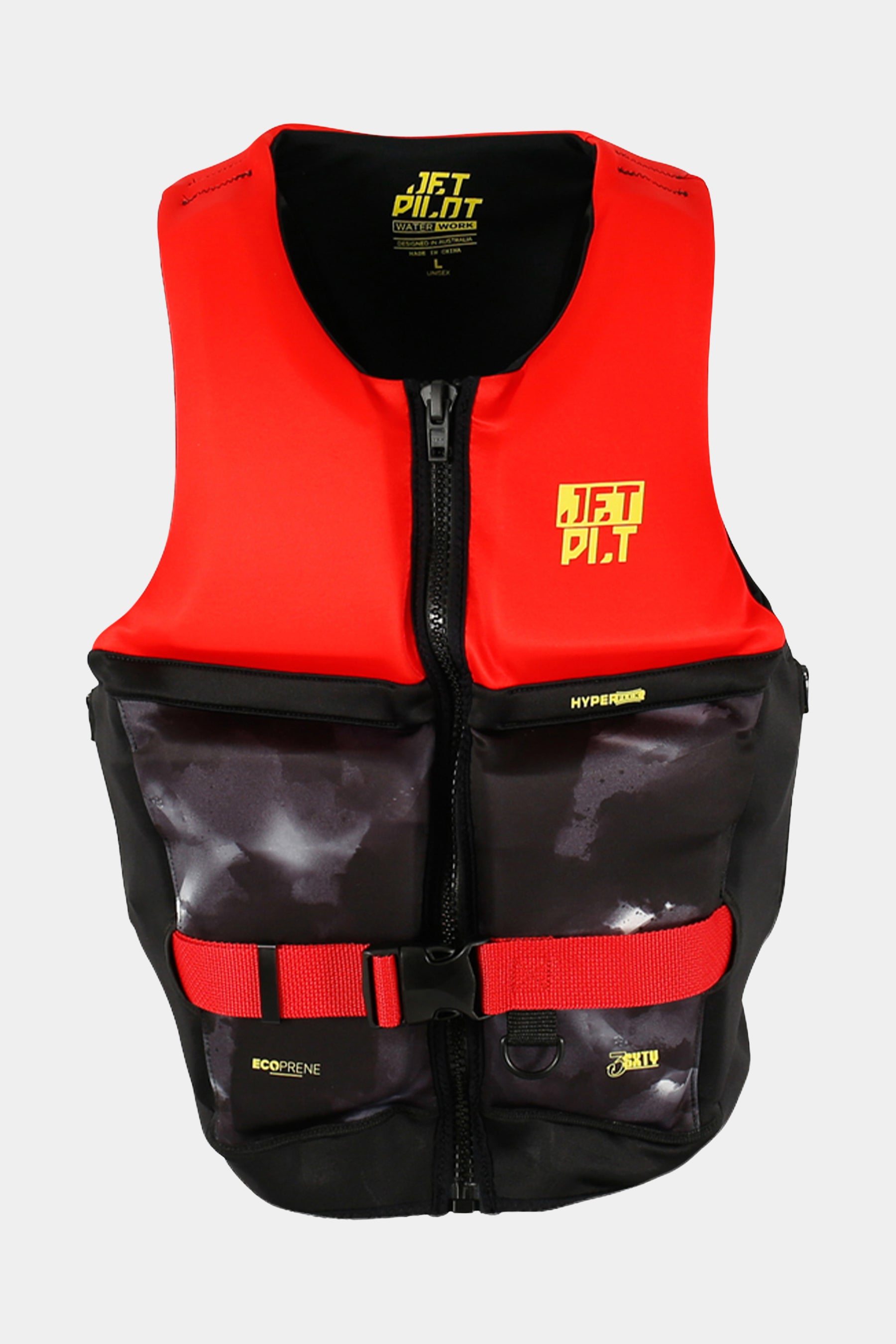
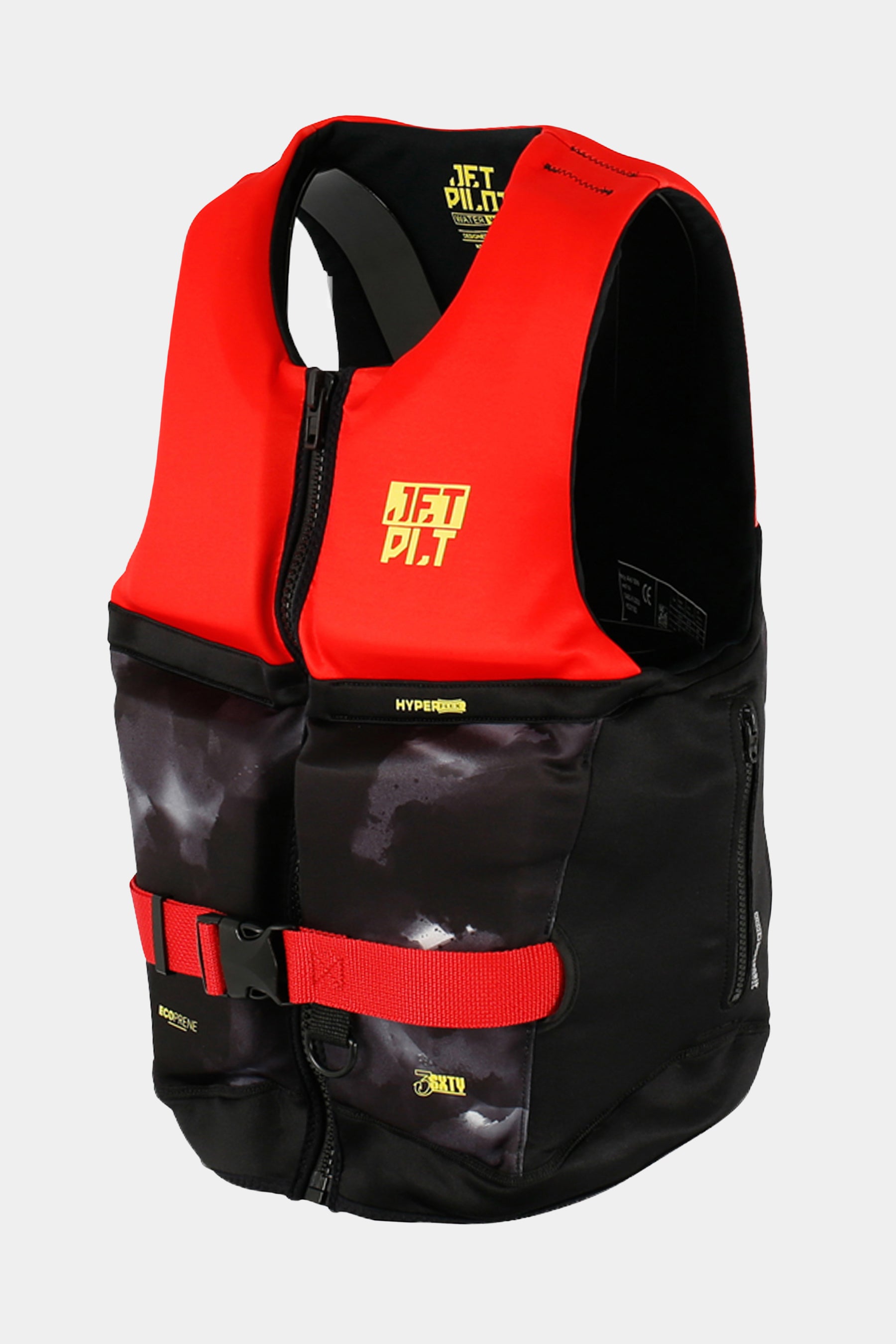


Jetpilot wakeboard vests — wake-specific cut with full freedom of movement for jumps, tricks and falls. Unlike traditional life jackets, wakeboard models are built so they don't ride up on impact: shorter cut, segmented buoyancy, often with side-entry or S-Grip closure. All ISO 12402-5 certified and tested in cable park and behind the boat.
Life jacket or impact vest for wakeboarding?
Wakeboarders distinguish two categories: certified life jackets (50N, ISO 12402-5) and impact vests (Comp Vests, non-certified, no guaranteed buoyancy). For beginners and recreational riding: certified 50N vest, mandatory in most cable parks. Pro wakeboarders sometimes use Comp Vests — lighter, tighter, but no guaranteed buoyancy if a rider becomes unconscious. When in doubt: certified 50N.
What makes a wakeboard vest different?
A good wakeboard vest has segmented buoyancy panels for maximum shoulder mobility, a shorter cut that doesn't ride up over the abdomen, and usually an S-Grip or side-entry closure for tight fit. Our 3sxty Hyperflex S-Grip and Cause series are our most-used wakeboard vests. Anatomical cuts for men, women and kids. Also suitable for jetski: ISO 12402-5 covers both uses.
How tight should a wake vest be?
Very tight — almost like a wetsuit. If you can breathe but the vest noticeably compresses your torso, it's correctly fitted. A loose wakeboard vest rides up on impact and can restrict breathing under water. Test: someone pulls the shoulders upward — the vest shouldn't slide above the chin. When lifted with both hands under the armpits, the vest must stay in place.
Materials: Ecoprene, neoprene, EVA
Ecoprene is Jetpilot's environmentally-conscious variant with equivalent performance to standard neoprene. Neoprene offers maximum comfort and freedom of movement — standard for wakeboard vests. EVA foam is used in Pro-Race models for maximum impact absorption at high speed. The closure system (front entry, side entry, S-Grip or pull-over) is preference — S-Grip and side entry give the tightest fit; front entry is most convenient to put on.
Frequently asked questions
Do I need a life jacket or impact vest for wakeboarding?
For beginners and recreational riding: certified 50N vest, mandatory in most cable parks. Pro wakeboarders with strong swimming technique sometimes use impact vests (Comp Vests) — lighter and tighter but no guaranteed buoyancy. For most wakeboarders, the certified 50N vest is the best compromise between safety, comfort and legal compliance.
What's the difference between a life jacket and an impact vest?
A life jacket (50N+) is ISO certified, guarantees a minimum buoyancy and is legally valid. An impact vest (Comp Vest) is NOT certified, has no guaranteed buoyancy — protects only against impact. Pro riders use them at personal risk; cable parks generally require the certified 50N vest. For safe practice: certified 50N.
How tight should a wakeboard vest fit?
Very tight — almost like a wetsuit. If you can breathe but the vest clearly compresses you, it's correctly fitted. Test: someone pulls the shoulders upward — the vest should not slide above the chin. A vest that's too loose rides up on impact, can slide over the face under water and restrict breathing.
Are wakeboard vests suitable for jetski too?
Yes — all Jetpilot wakeboard vests are ISO 12402-5 certified and legally usable for jetski. Wakeboard vests are built for fall impacts and offer excellent protection for PWC use too. Many jetski riders prefer them for their freedom of movement. Jetski-specific models add reinforced impact zones for high-speed use.
What size should I get?
Sized by chest measurement and body weight. Measure your chest at the widest point and compare to our size chart. Between two sizes, choose the smaller one — a wake vest must fit tight. Anatomical cuts for women and kids account for specific body shapes. Test fit before deep-water use.
How do I care for my wakeboard vest?
Rinse with fresh water after every session — salt and cable park chlorine attack buoyancy and zip. Dry on a wide hanger in the shade. Never in direct sun or tumble dryer. With proper care, a wake vest lasts 4–6 seasons of intensive wakeboarding before buoyancy is affected.