

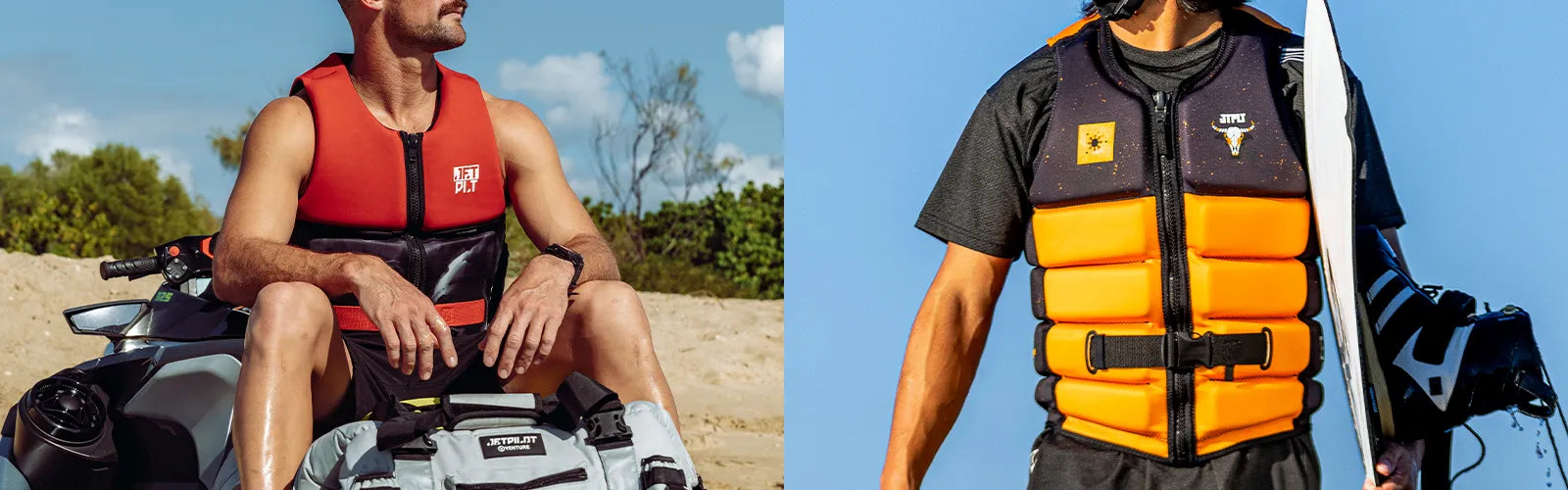
Mens Life Jackets, Vests & PFDs
Cut for the male torso — broader chest, longer back panel, anatomical shoulder geometry. Every Jetpilot men's vest is approved to standard — ISO-12402-5 (50N buoyancy aids) or the CE impact standard (wake vests) — and sized to stay put through impact. Choose by use case: jetski, wakeboard, or all-round.
Filters
20 products


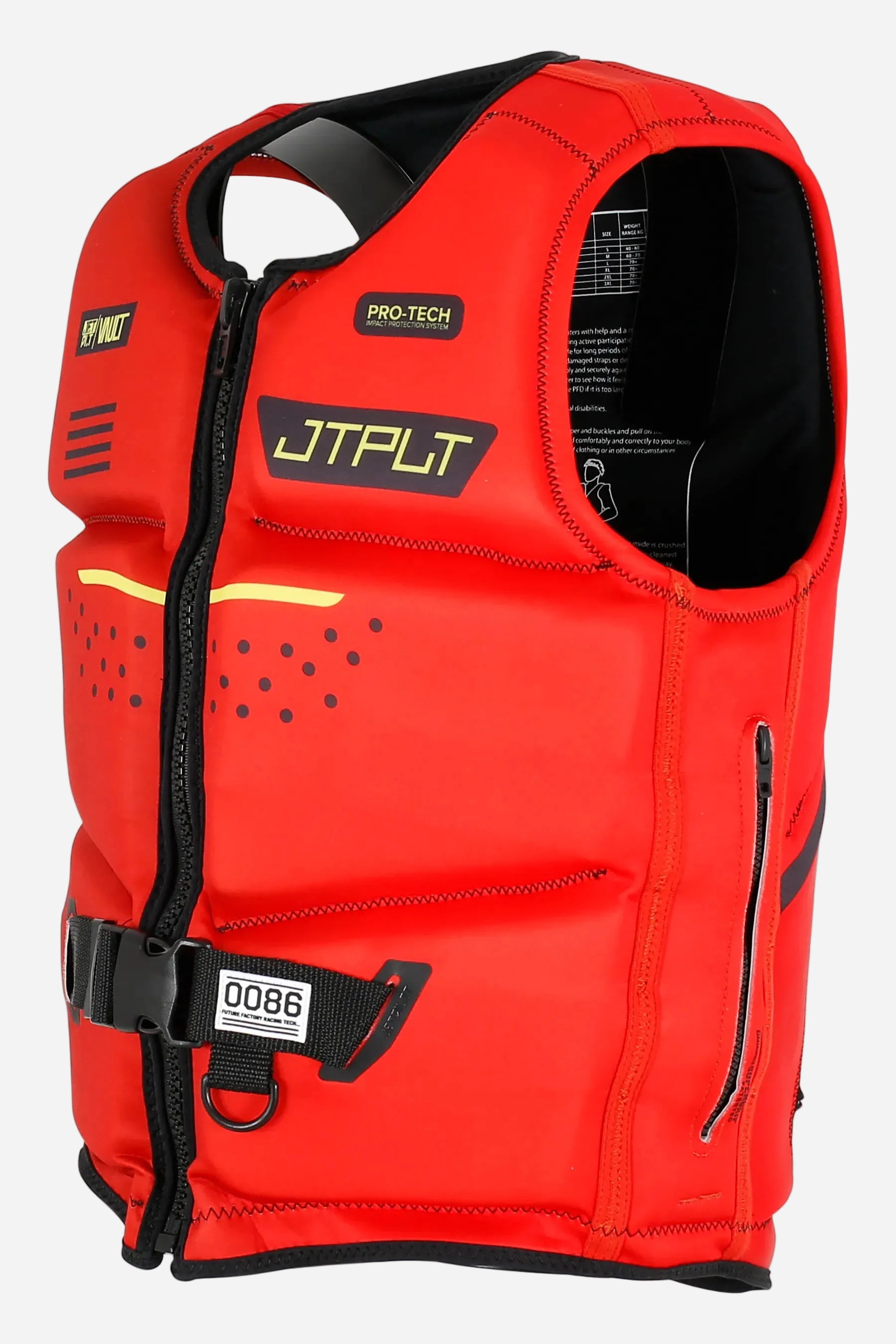


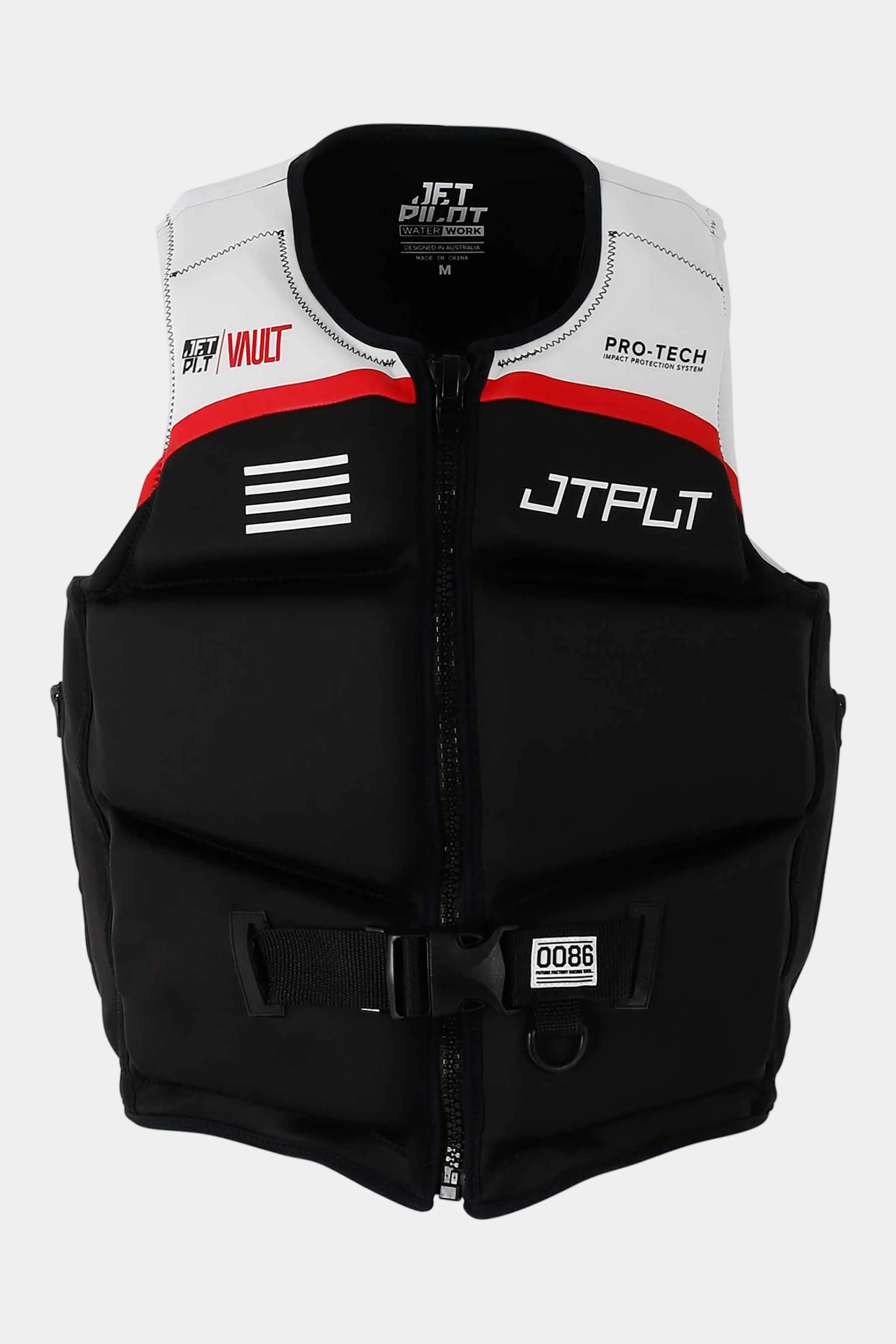
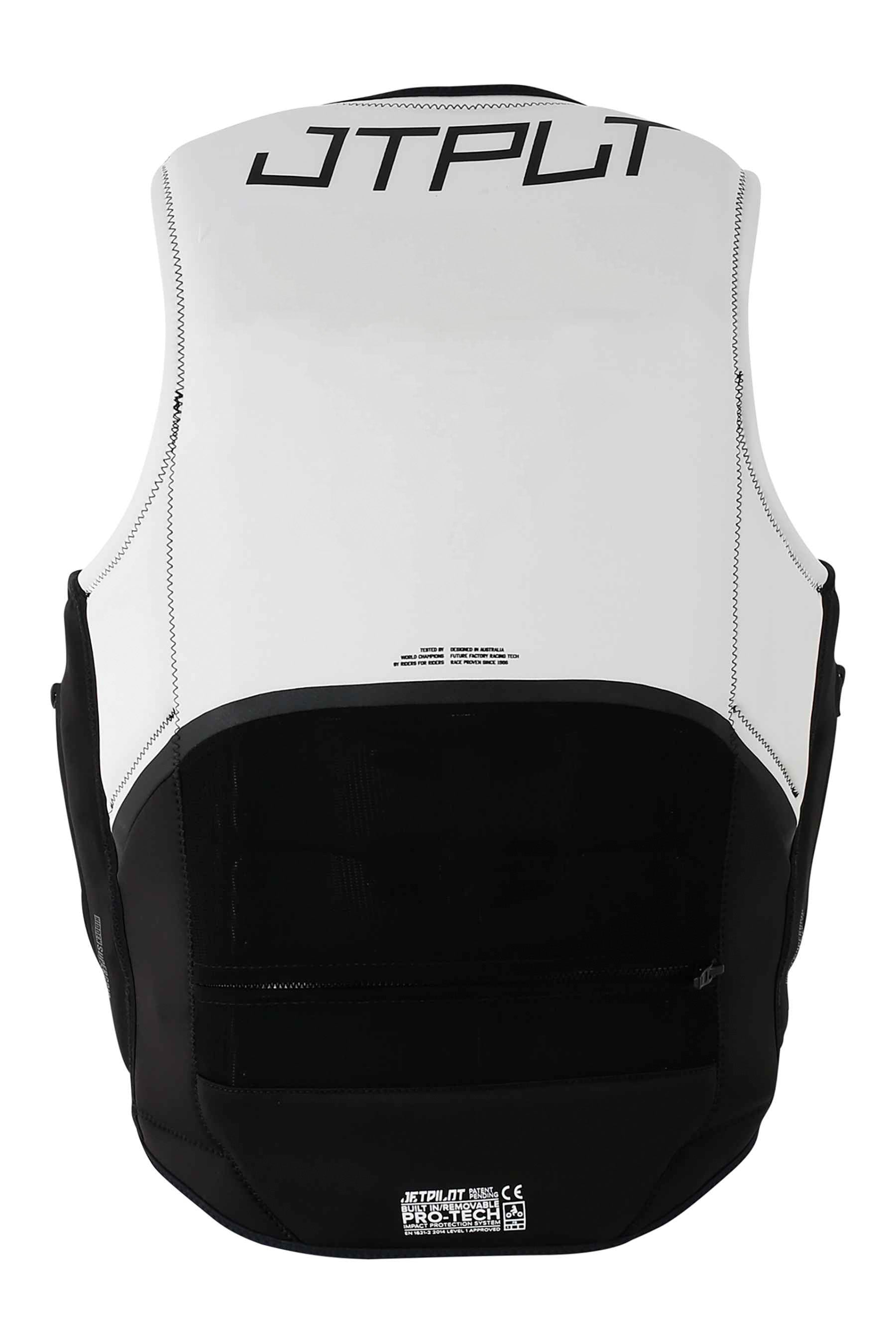

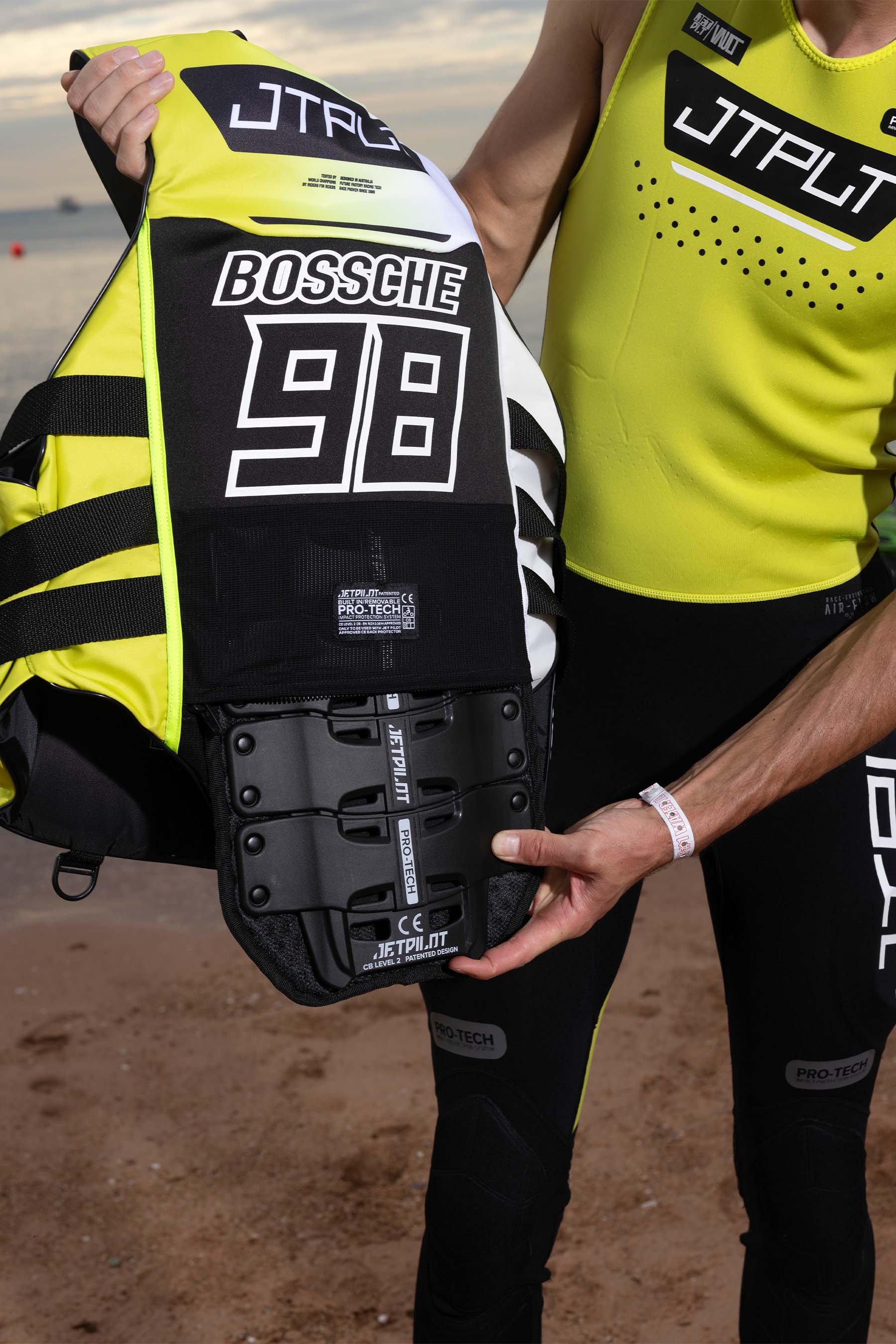

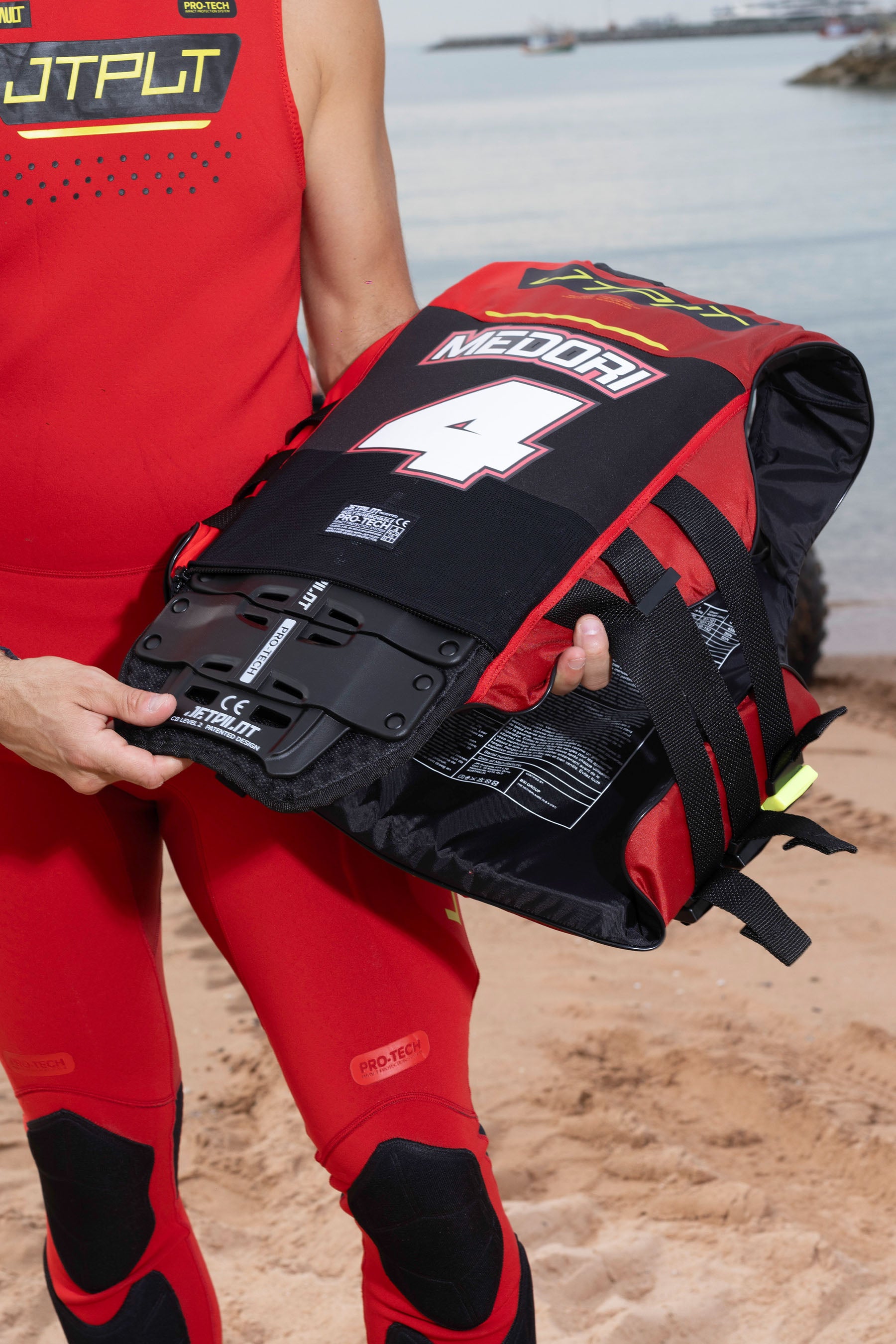

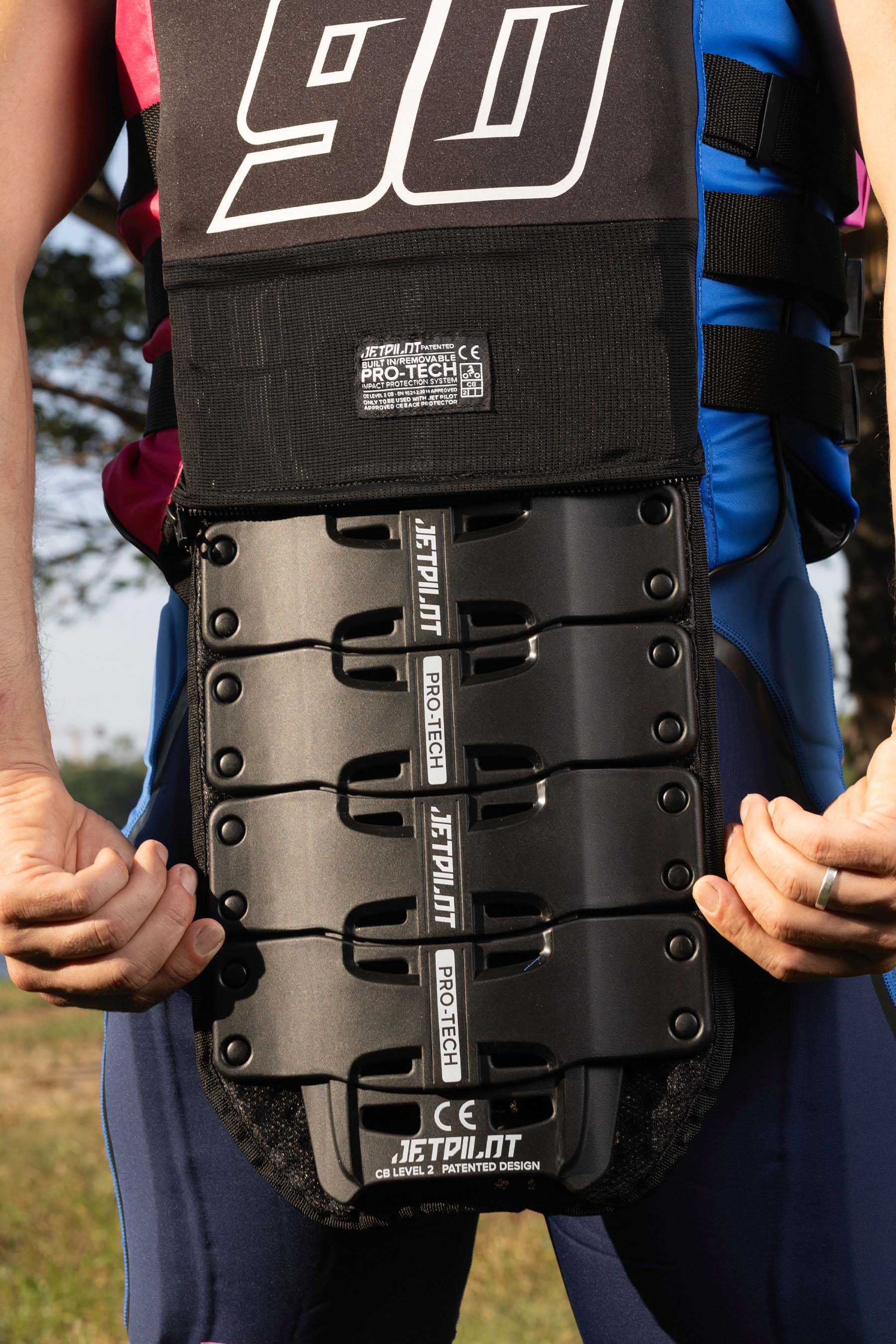


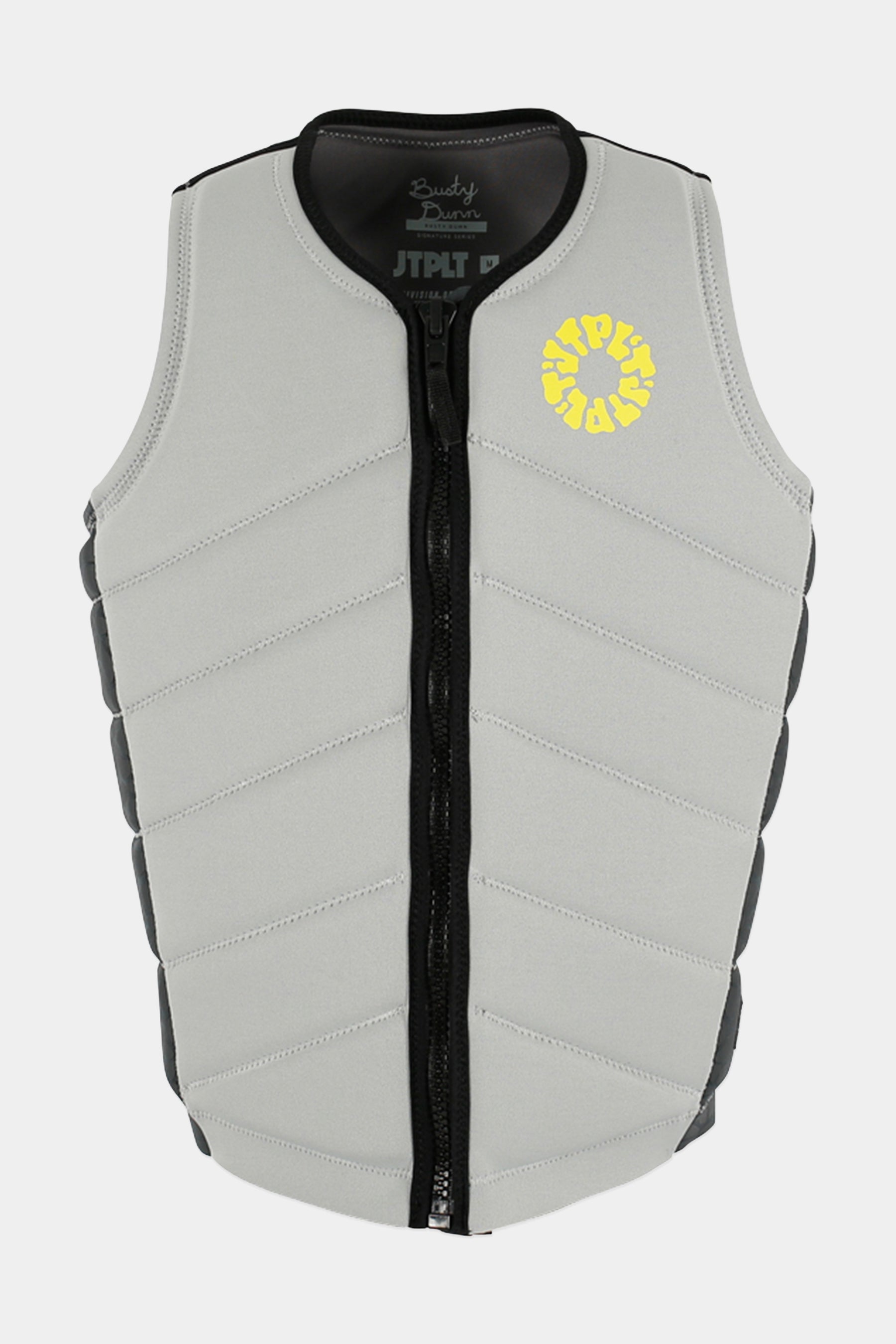
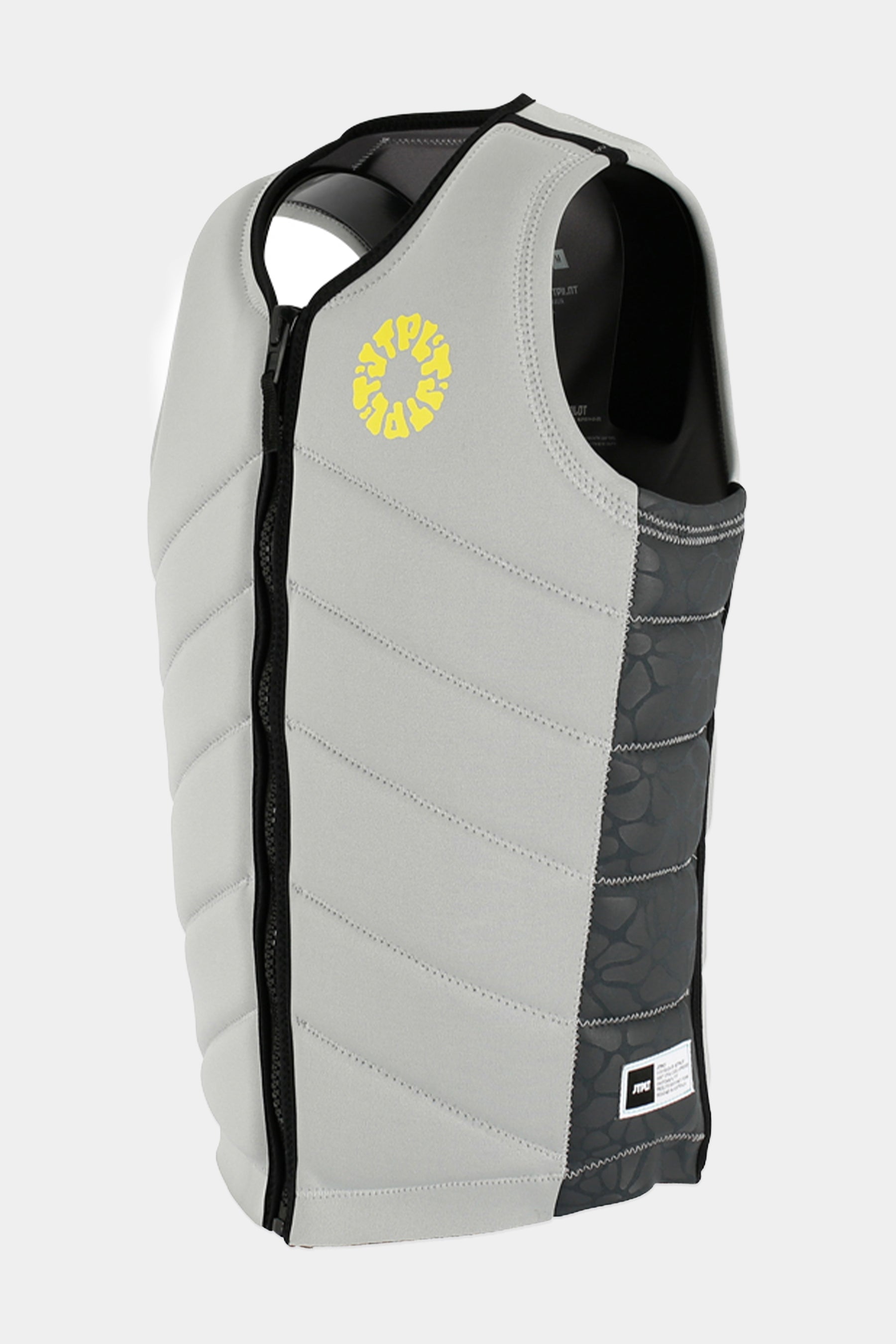


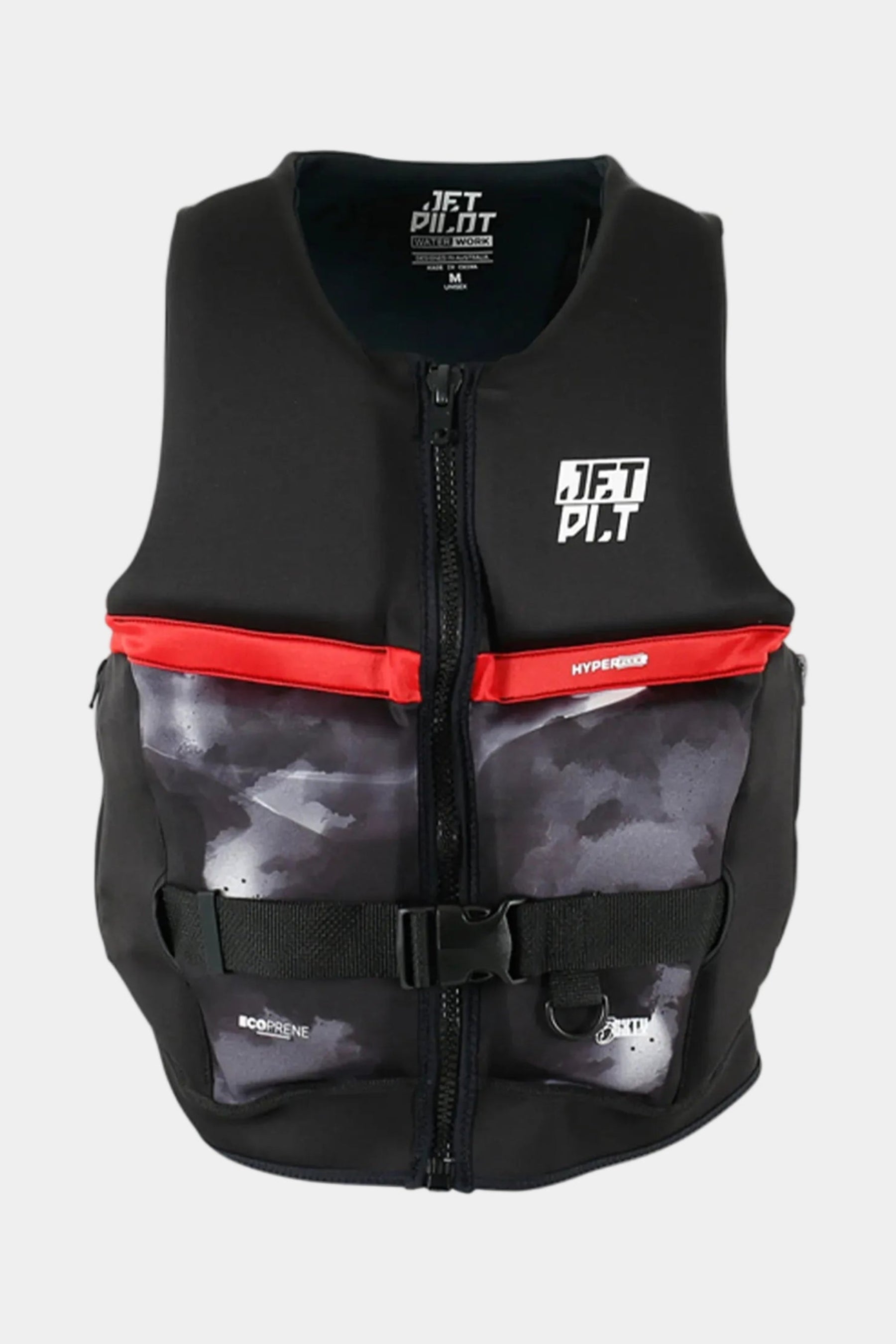
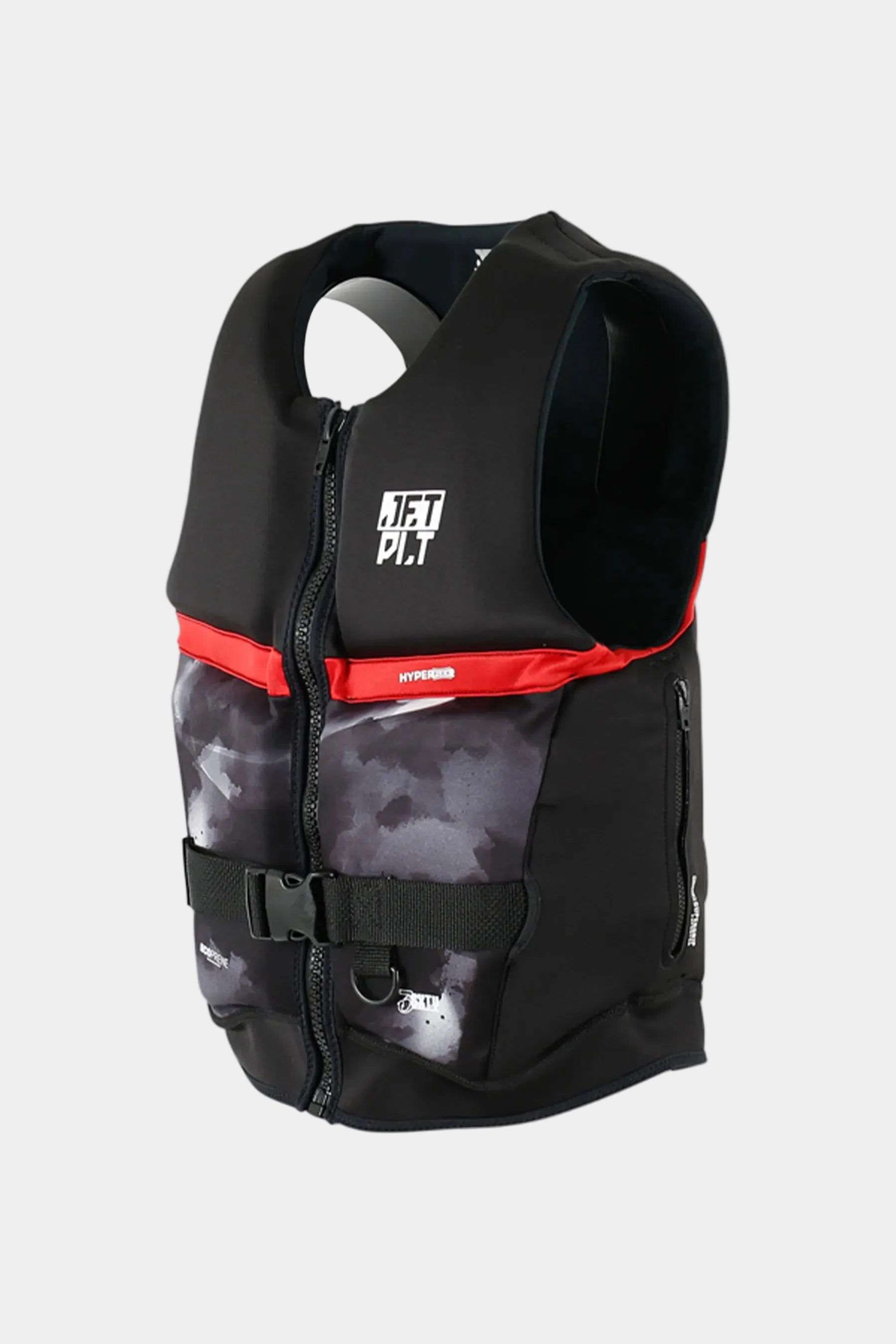


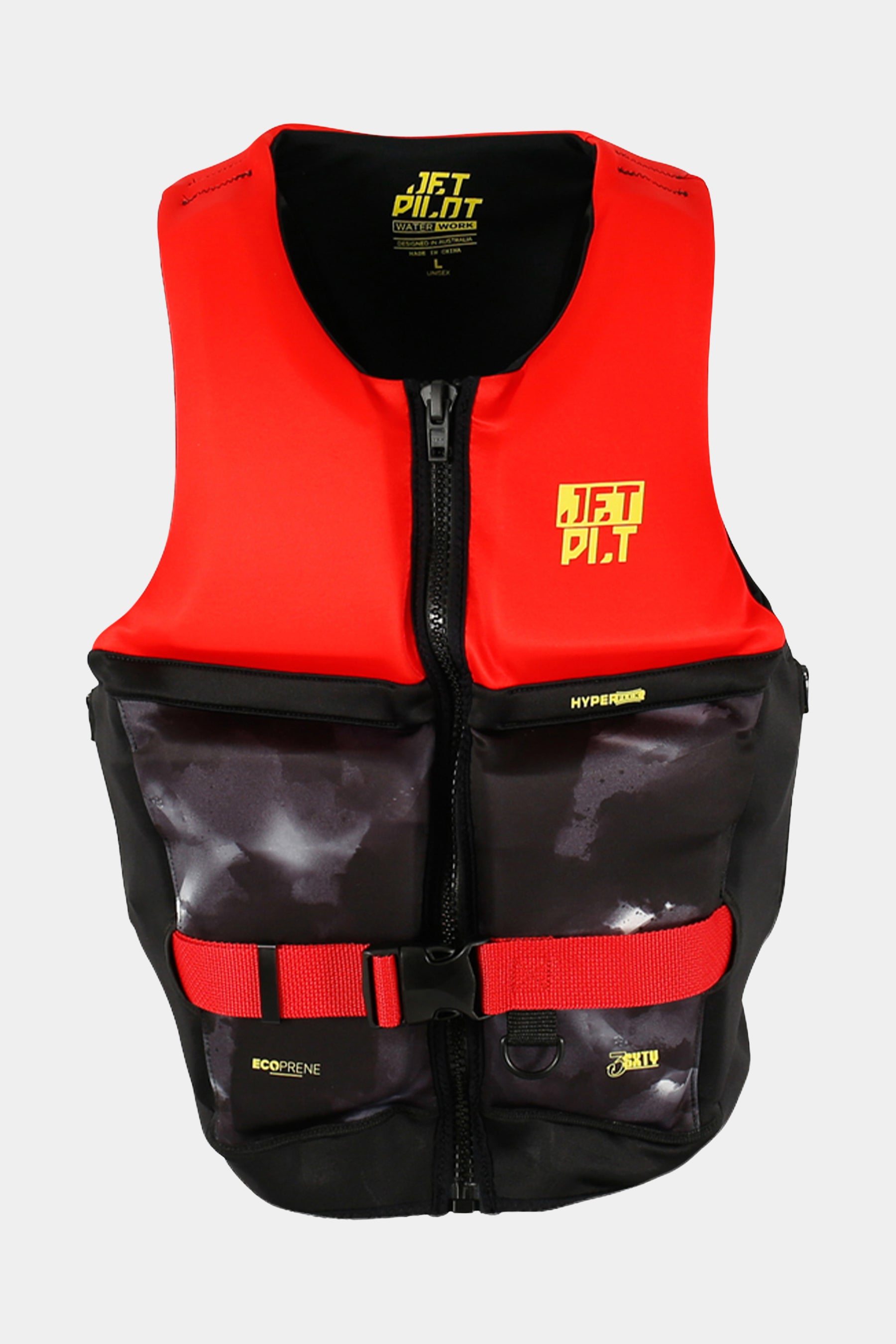
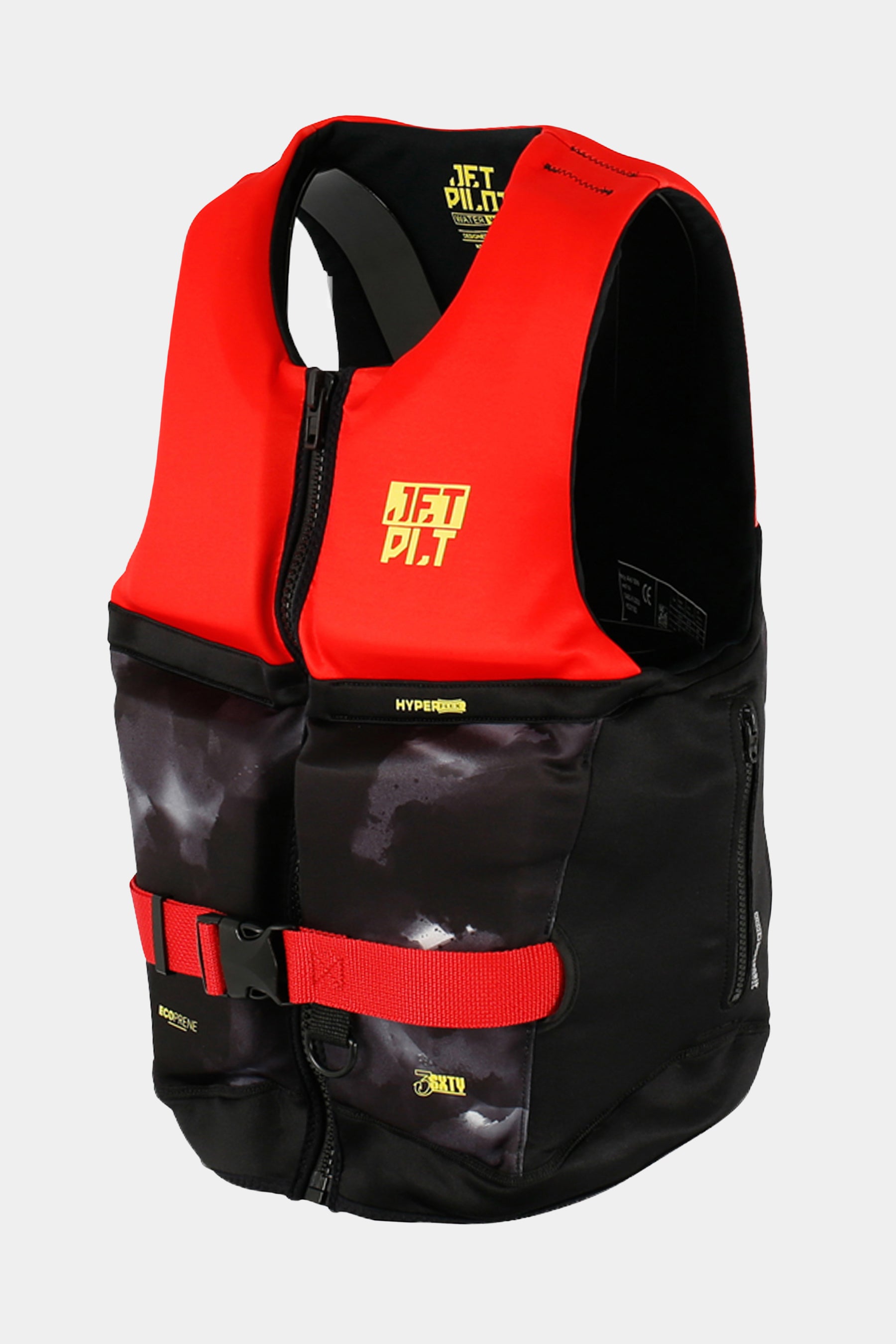
Jetpilot men's life jackets — performance vests cut for the male torso: broader chest, longer back panel, anatomical shoulder geometry. From the RX Vault Pro-Tech with reinforced impact zones for high-speed performance to the X1 and Cause series for recreational riding and wakeboard. Every men's life jacket meets ISO 12402-5 or higher and is sized to stay put through impact.
How to choose the right men's life jacket
For active swimmers, a well-fitted 50N buoyancy aid (ISO 12402-5) is the standard — provides flotation with maximum freedom of movement. For long offshore rides, rough water or weaker swimmers, 100N life jackets (ISO 12402-4) with auto-righting are the safer choice. Above 100 kg body weight, check that the vest is certified for your weight class — standard vests lose their certified buoyancy at higher weights.
Buoyancy aid or life jacket: which is better?
Not a question of "better", but of fit for purpose. A buoyancy aid (50N) is optimal for active watersports — jetski, wakeboard, SUP, kayak. A life jacket (100N+) turns an unconscious wearer face-up — required for offshore use, recommended for children and weak swimmers. For active jetski sport, 50N is the standard because it preserves mobility; a 100N vest is often too bulky for performance use.
Sizing: the deciding factor
Sized by chest measurement and body weight, not regular clothing size. Measure your chest at the widest point and compare to our size chart. A correctly fitted vest doesn't slide above the chin when someone pulls the shoulders upward. Full arm mobility must be preserved. Too loose: rides up on impact. Too tight: restricts breathing.
Materials: neoprene, Ecoprene or EVA?
Neoprene offers excellent comfort and durability — standard for premium vests. Ecoprene is Jetpilot's environmentally-conscious variant with equivalent performance and reduced production footprint. EVA foam is used in Pro-Tech race vests for maximum impact absorption at high speed. For all-round use, the neoprene and Ecoprene models in the X1 and Cause series are the right choice.
Frequently asked questions
Which life jacket is best for adults?
"Best" depends on use. For jetski performance: 50N with reinforced impact zones like RX Vault Pro-Tech. For wakeboard: shorter cut with segmented buoyancy (X1 series). For SUP, kayak, cruise: front-entry comfort (Cause series). More important than brand: correct sizing and visible ISO certification on the inner label.
Which life jackets are the best?
Premium vests are recognisable by: clearly readable ISO label (category and standard number), YKK zippers, reinforced seams, segmented buoyancy panels for shoulder mobility, and a recent manufacturing date. Vests lose buoyancy over years; a 10-year-old vest is no longer certified. We recommend replacement after 5–7 years of regular use.
Buoyancy aid or life jacket — which is better?
They serve different functions. Buoyancy aids (50N) are flotation aids for active, swim-capable adults — they provide buoyancy and full mobility. Life jackets (100N+) turn unconscious wearers face-up — required for offshore use, recommended for children and weak swimmers. For jetski performance, 50N is standard for better mobility.
How do I size a life jacket?
Sized by chest measurement and body weight, not standard clothing size. Measure both and compare to our size chart. If your measurements fall between two sizes, choose by chest — the vest must sit close around the chest and shoulders. Otherwise it rides up on impact.
How long does a life jacket last?
Rule of thumb: 5–7 years of regular use, then replacement. Buoyancy material loses effectiveness over time due to UV, salt and mechanical compression. Visible damage (tears, loose seams, compressed foam) means immediate replacement. Inflatable models need yearly inspection and certified service every 2–3 years.
Can I use my men's vest for wakeboard too?
Yes — all Jetpilot men's life jackets are suitable for jetski and wakeboard. The X1 and Cause series work especially well for wakeboard because their shorter cut doesn't ride up on falls and segmented buoyancy preserves shoulder mobility for jumps. Our wakeboard-specific models are further optimised for park and boat.