


Ladies Life Jackets, Vests & PFDs
Cut for the female anatomy — narrower shoulder, defined waist, anatomical bust profile. Every Jetpilot women's vest is approved to standard — ISO-12402-5 (50N buoyancy aids) or the CE impact standard (wake vests) — and sized to stay put through impact, jump, or fall. From the Allure cruise series to the Pacer X1 race line — built for the way women actually ride.
Filters
17 products


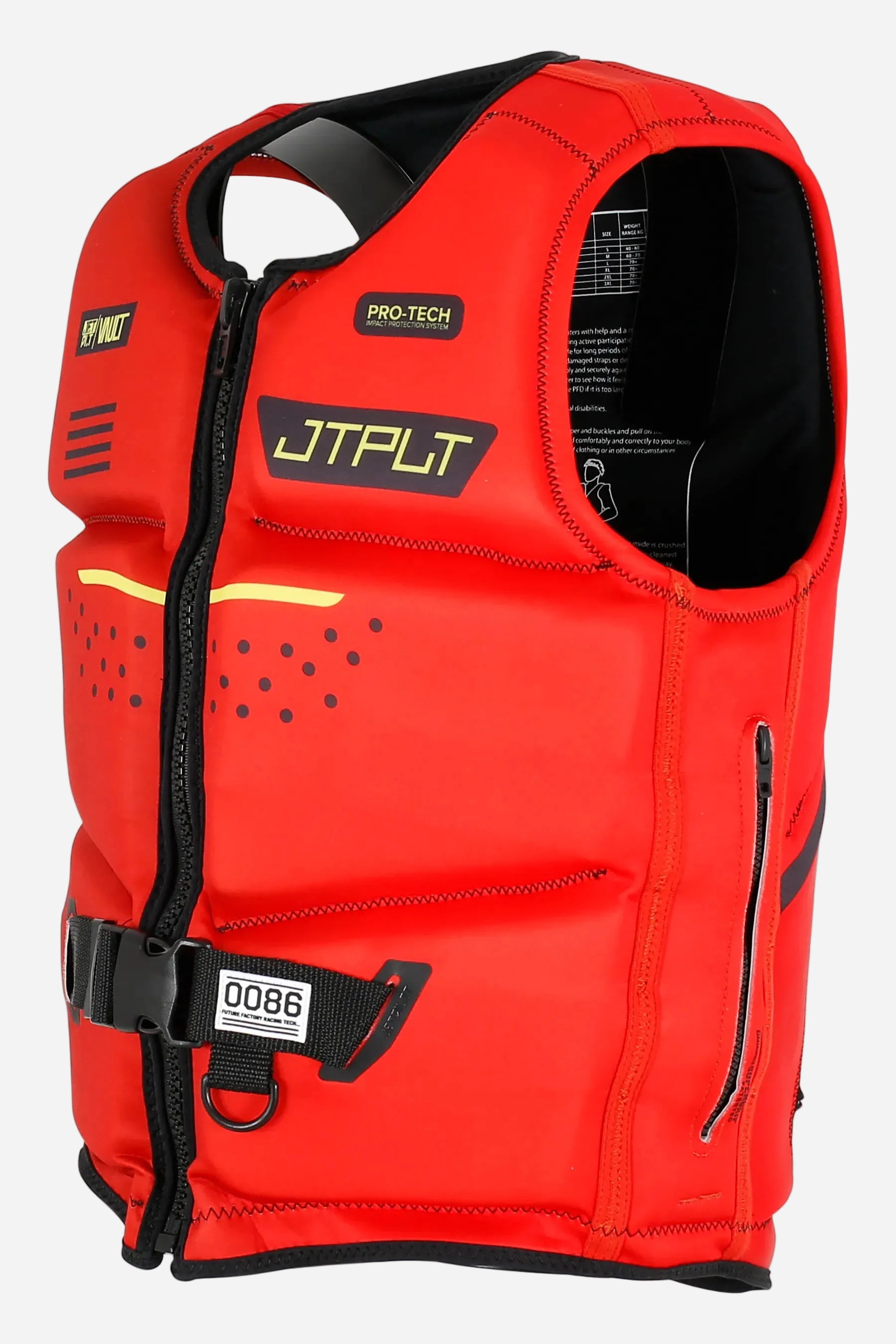


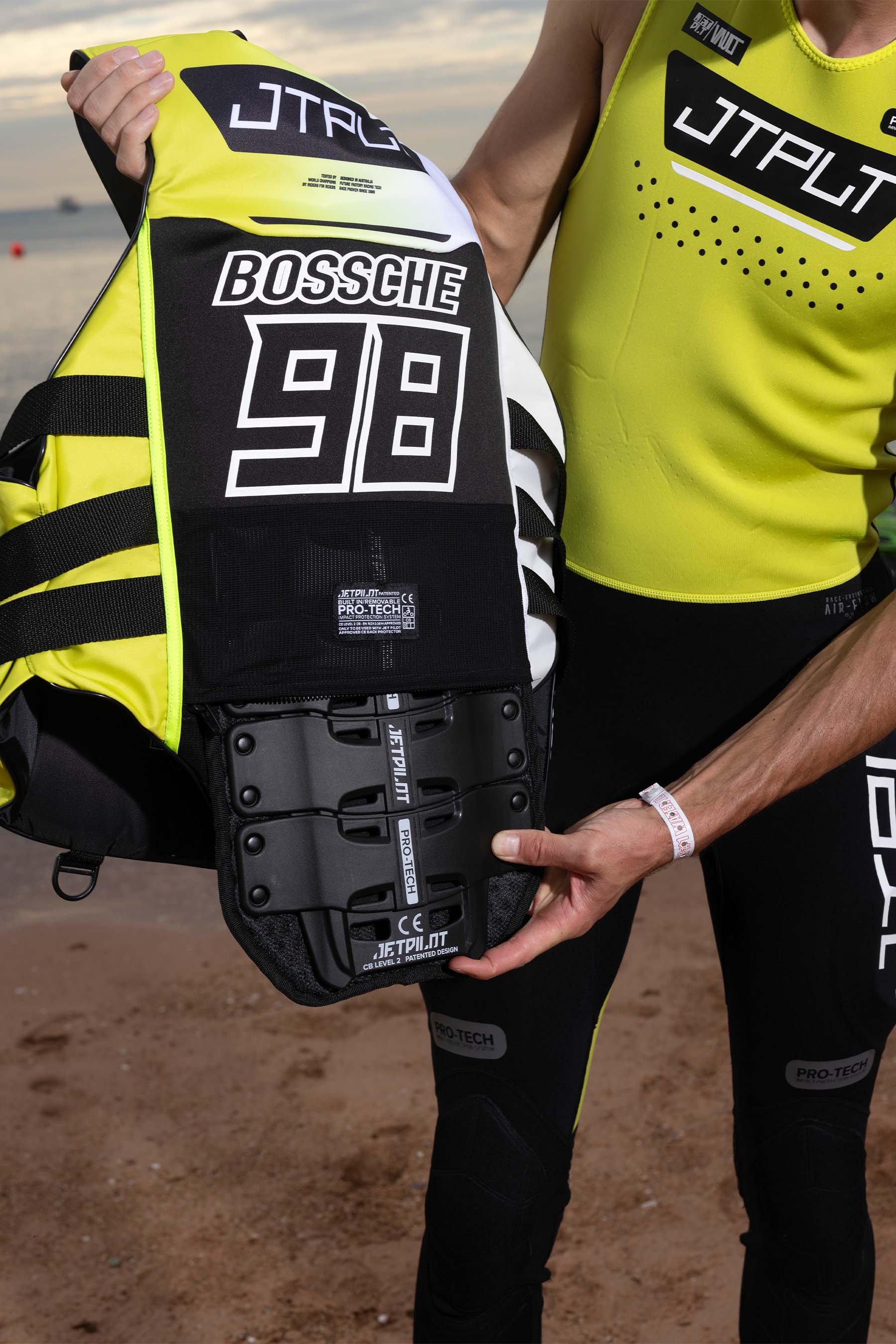

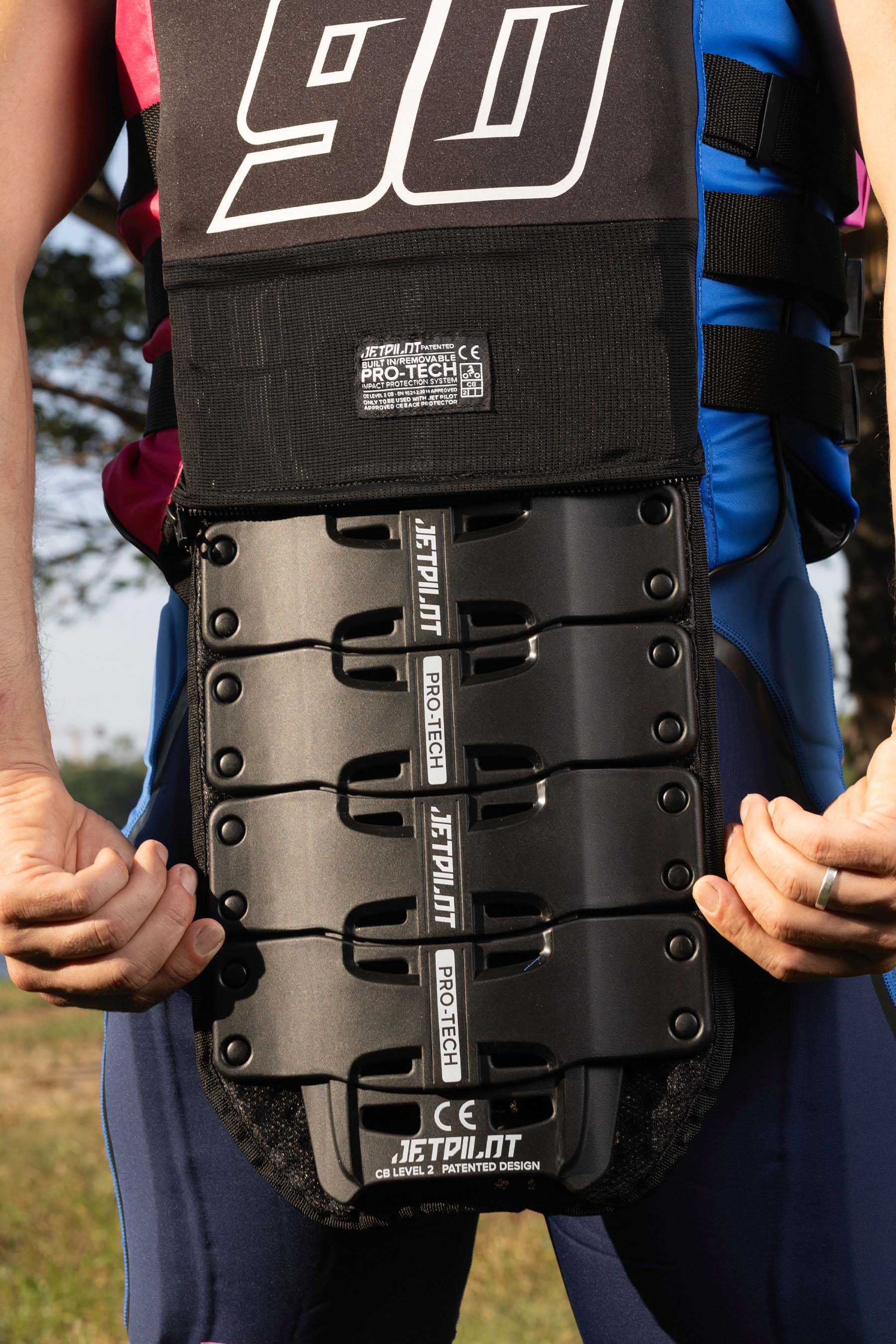

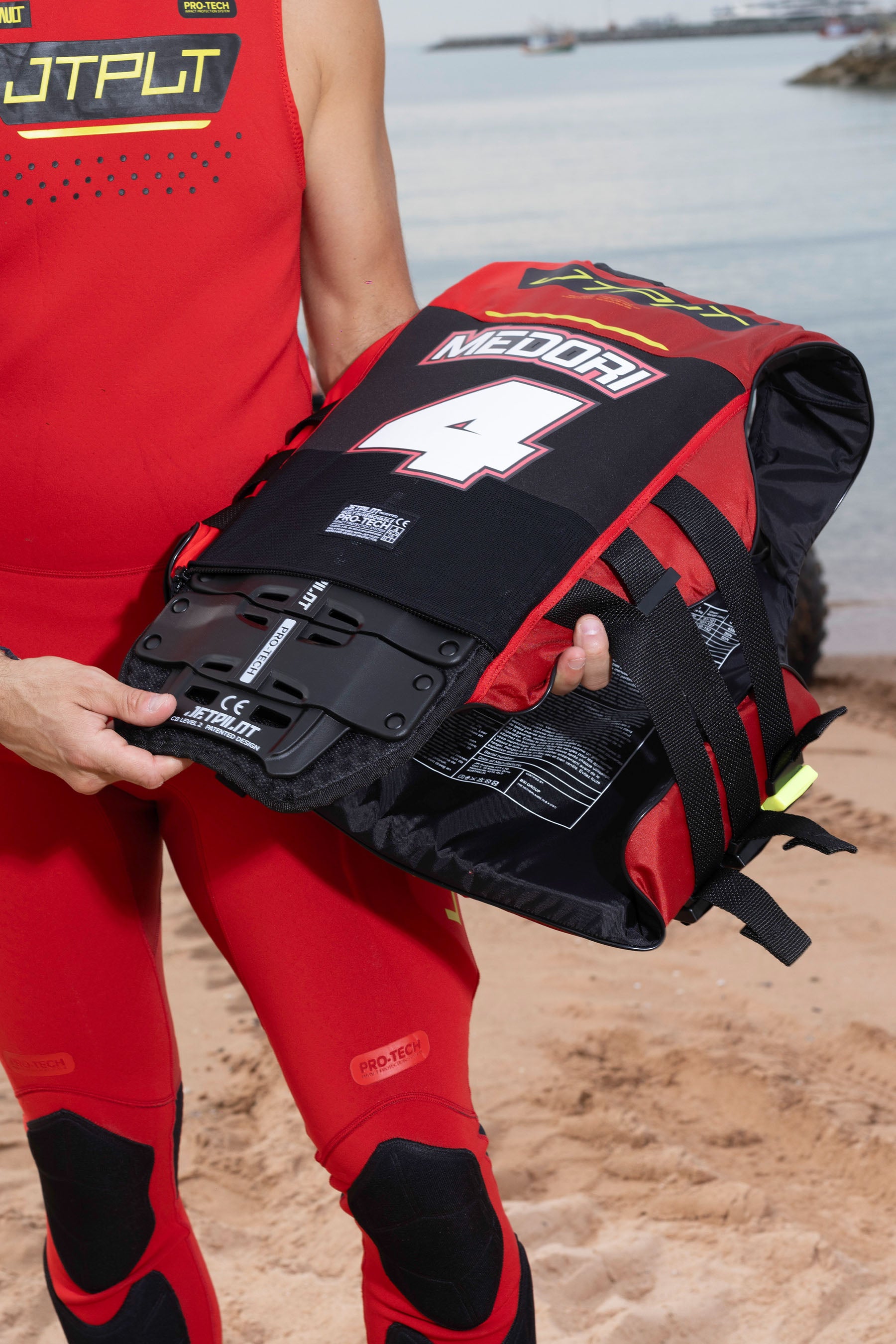
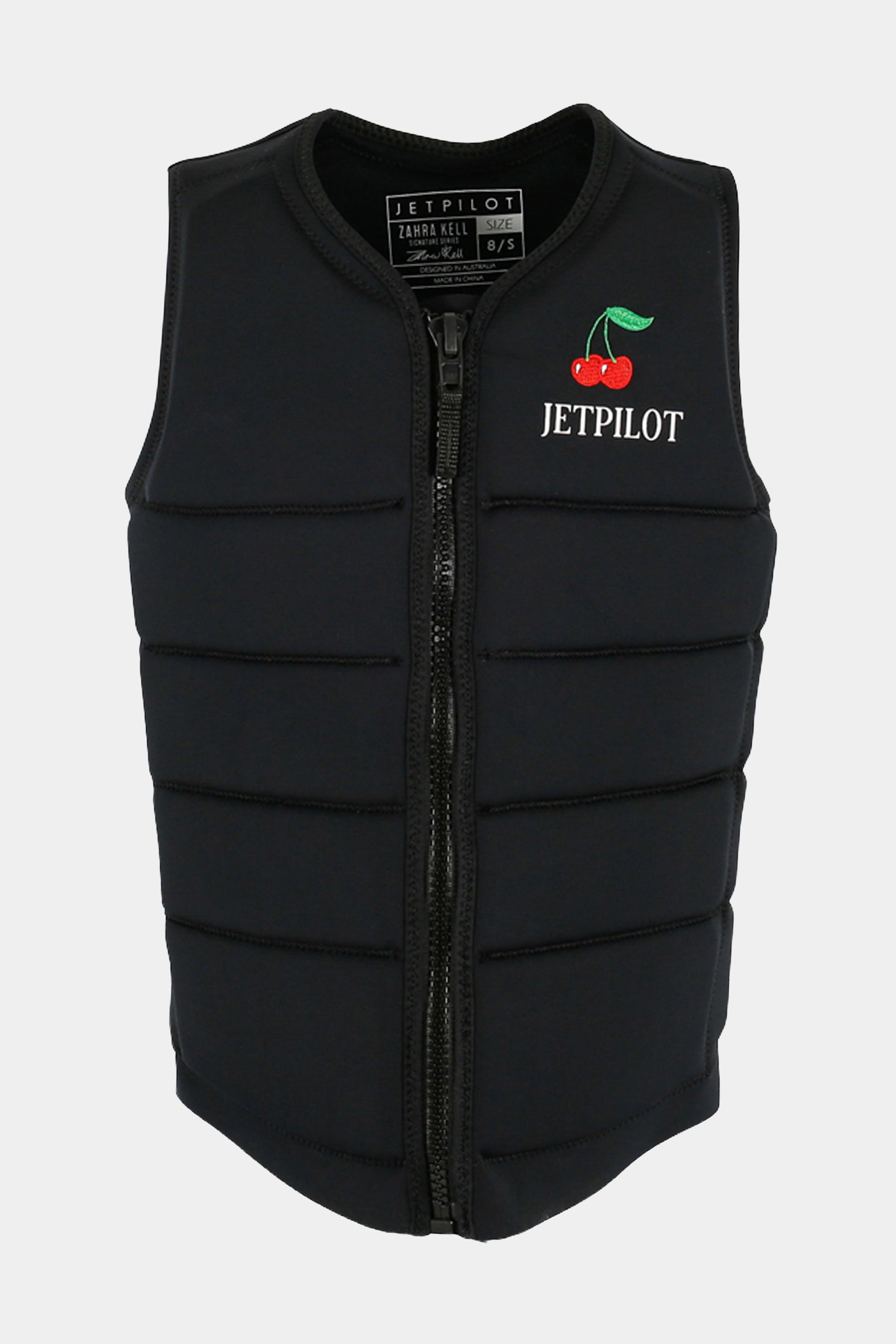
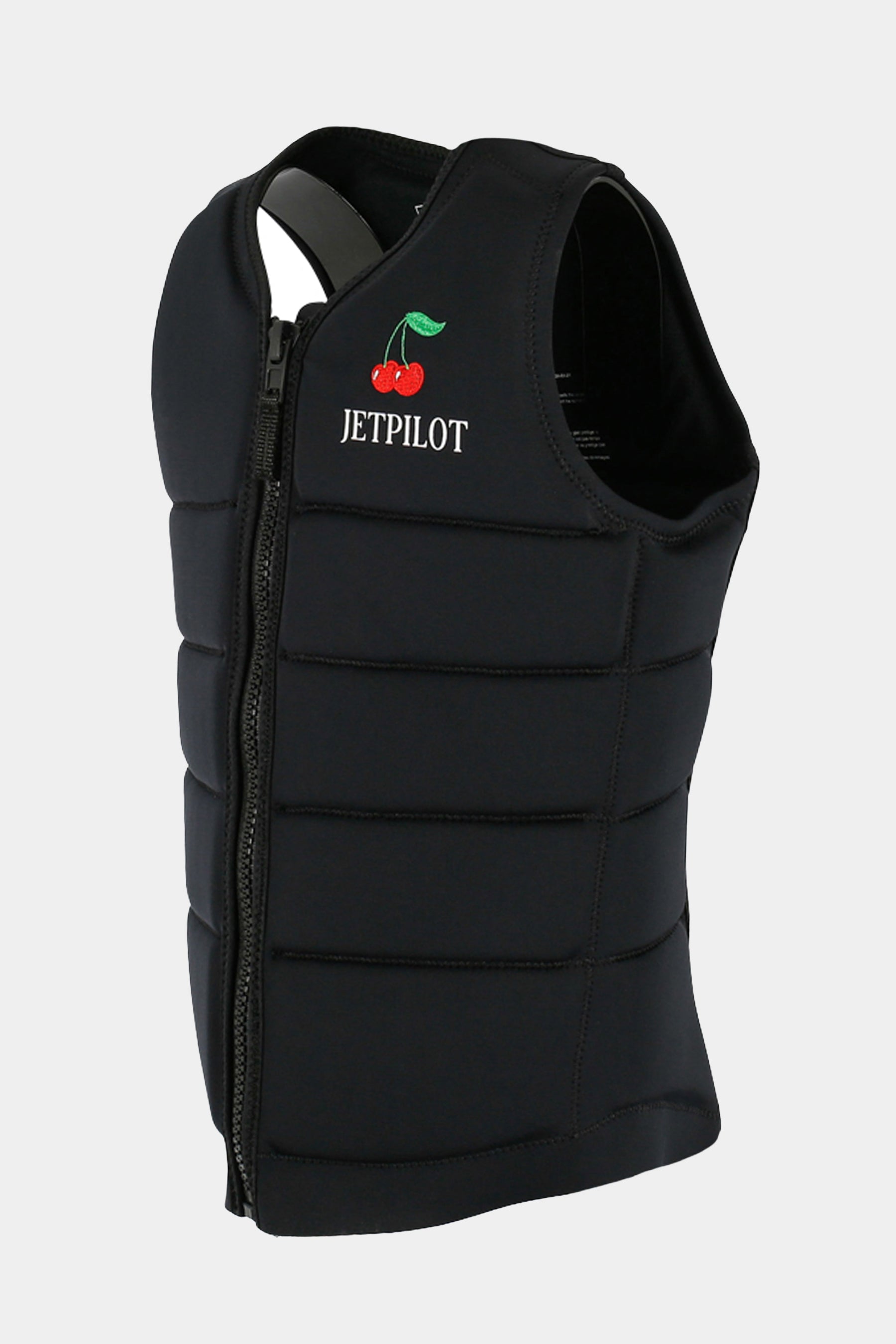


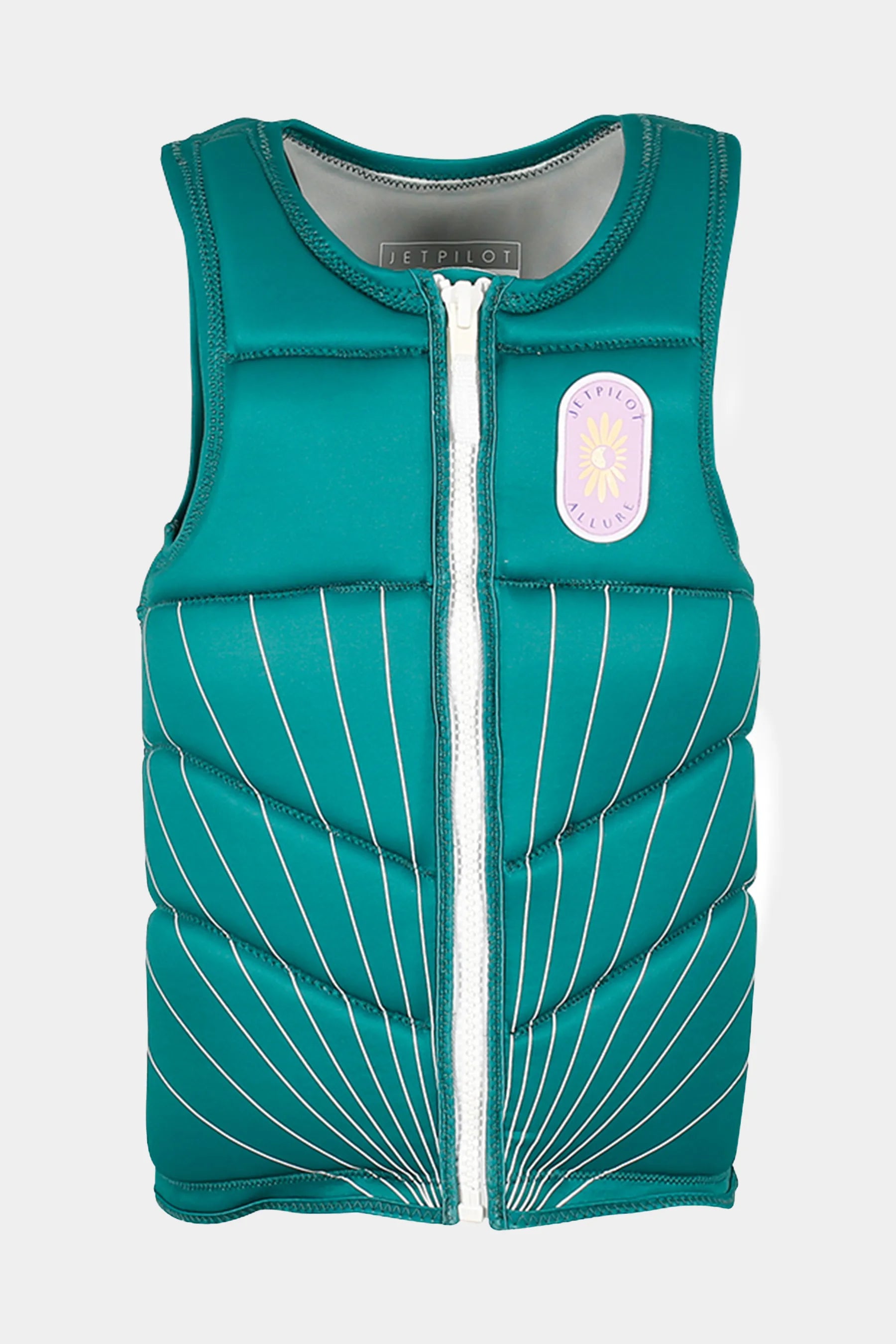
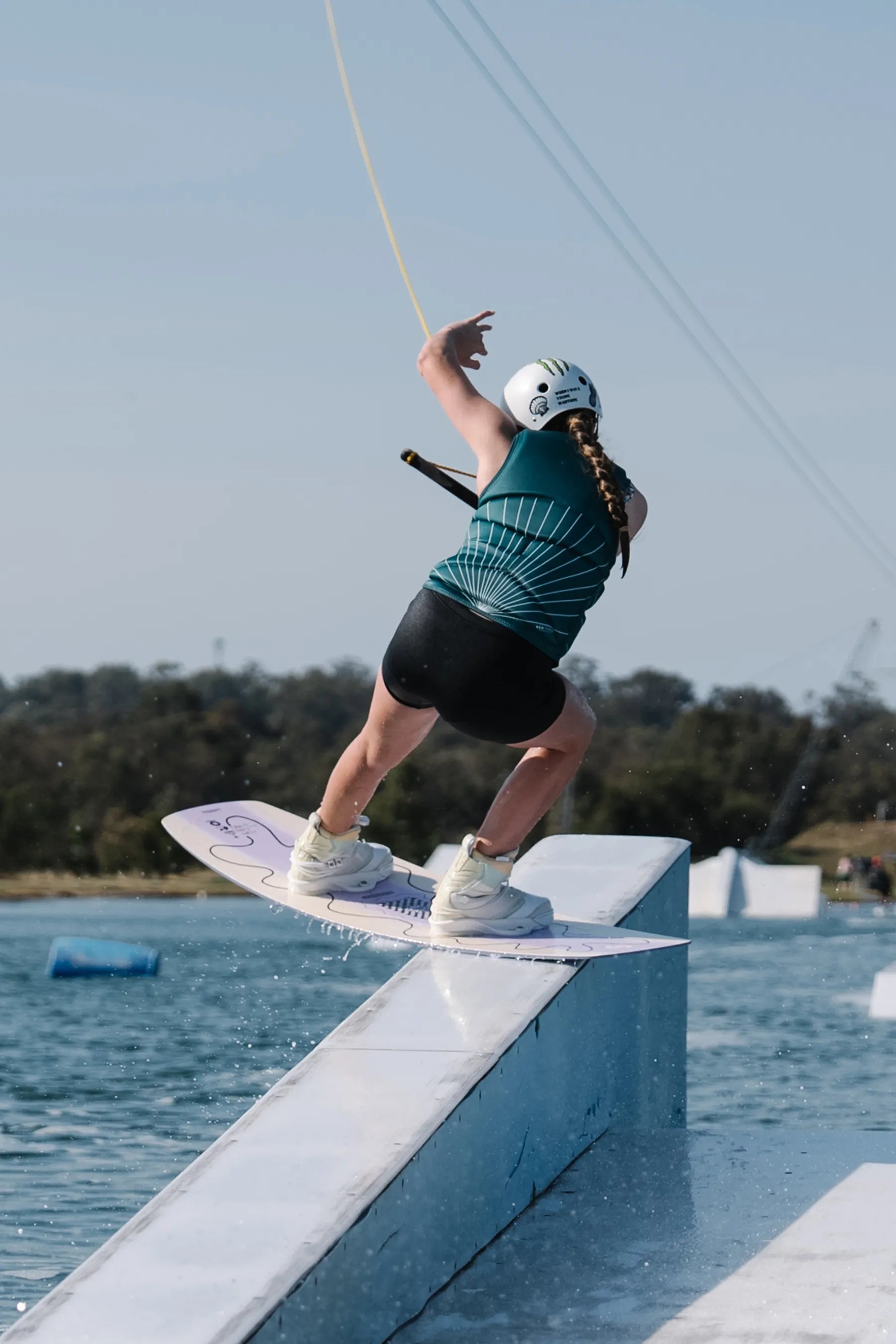
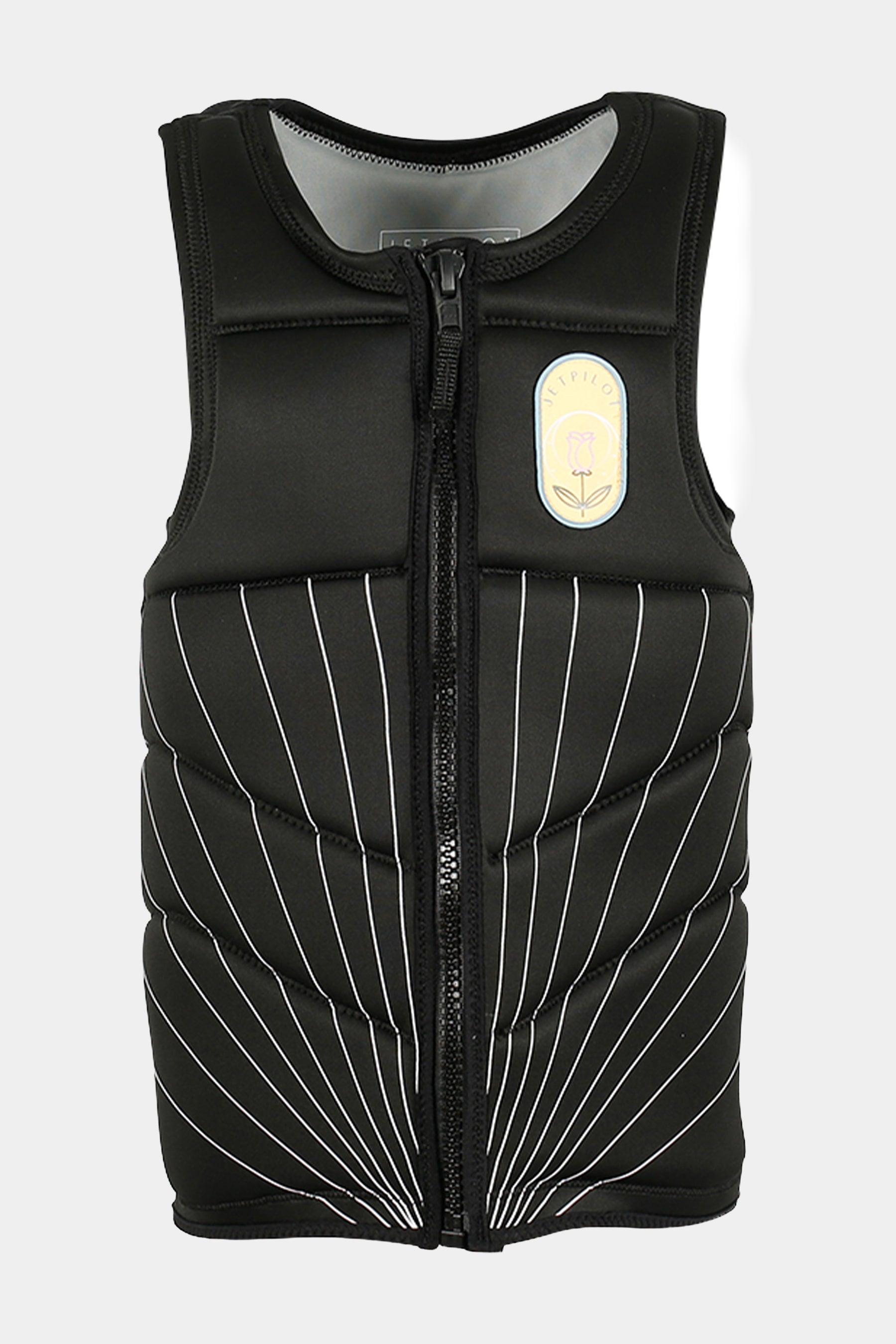
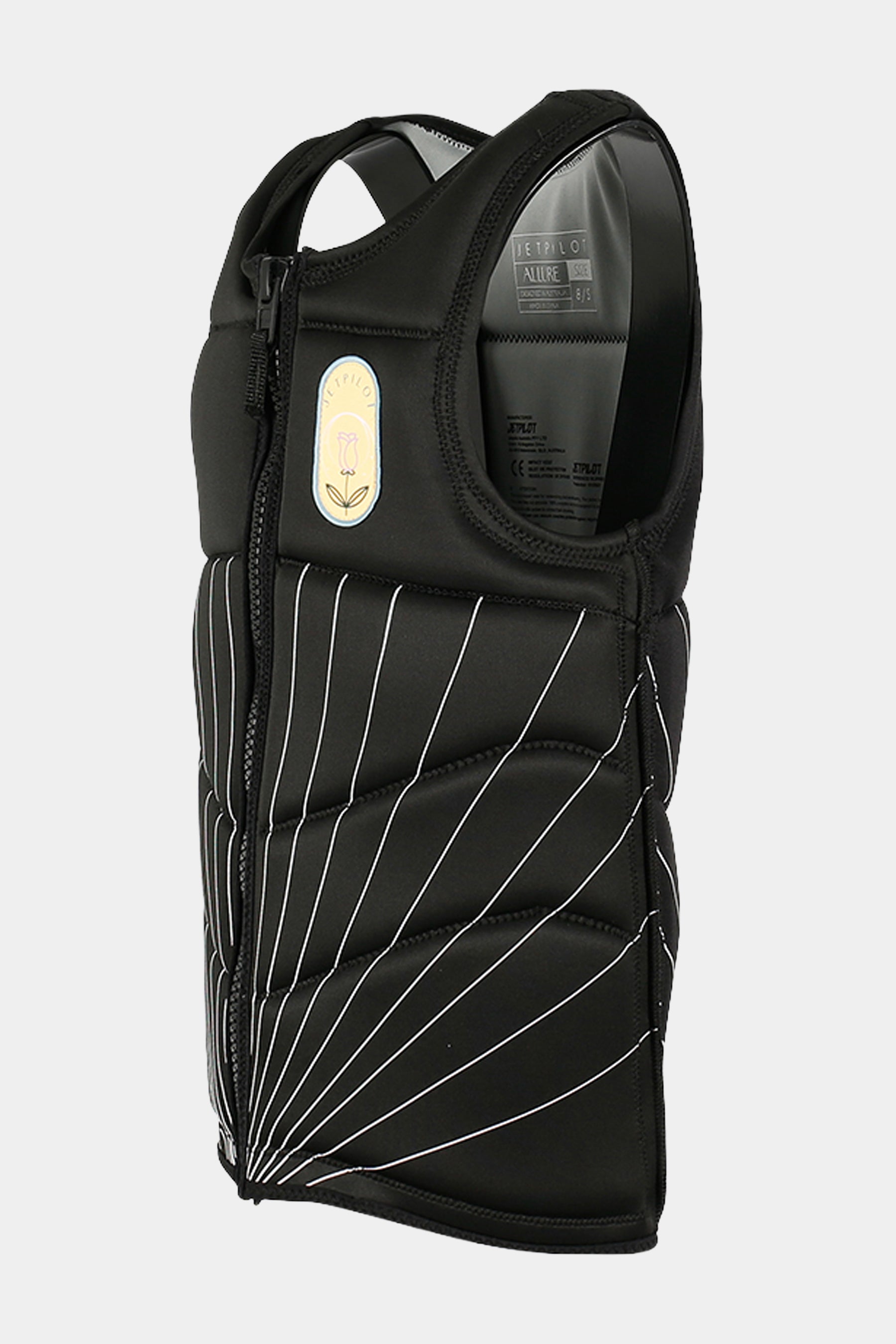
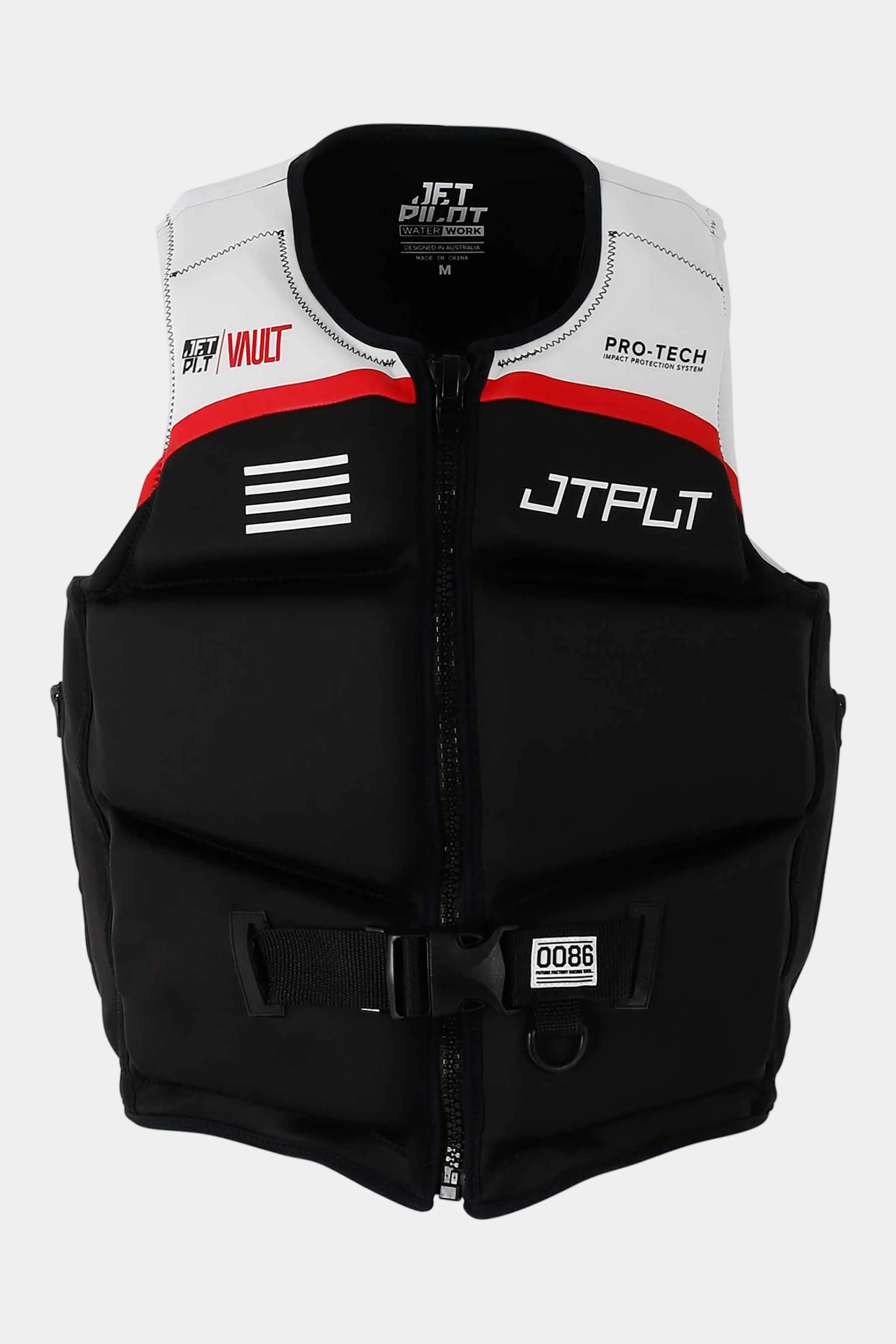
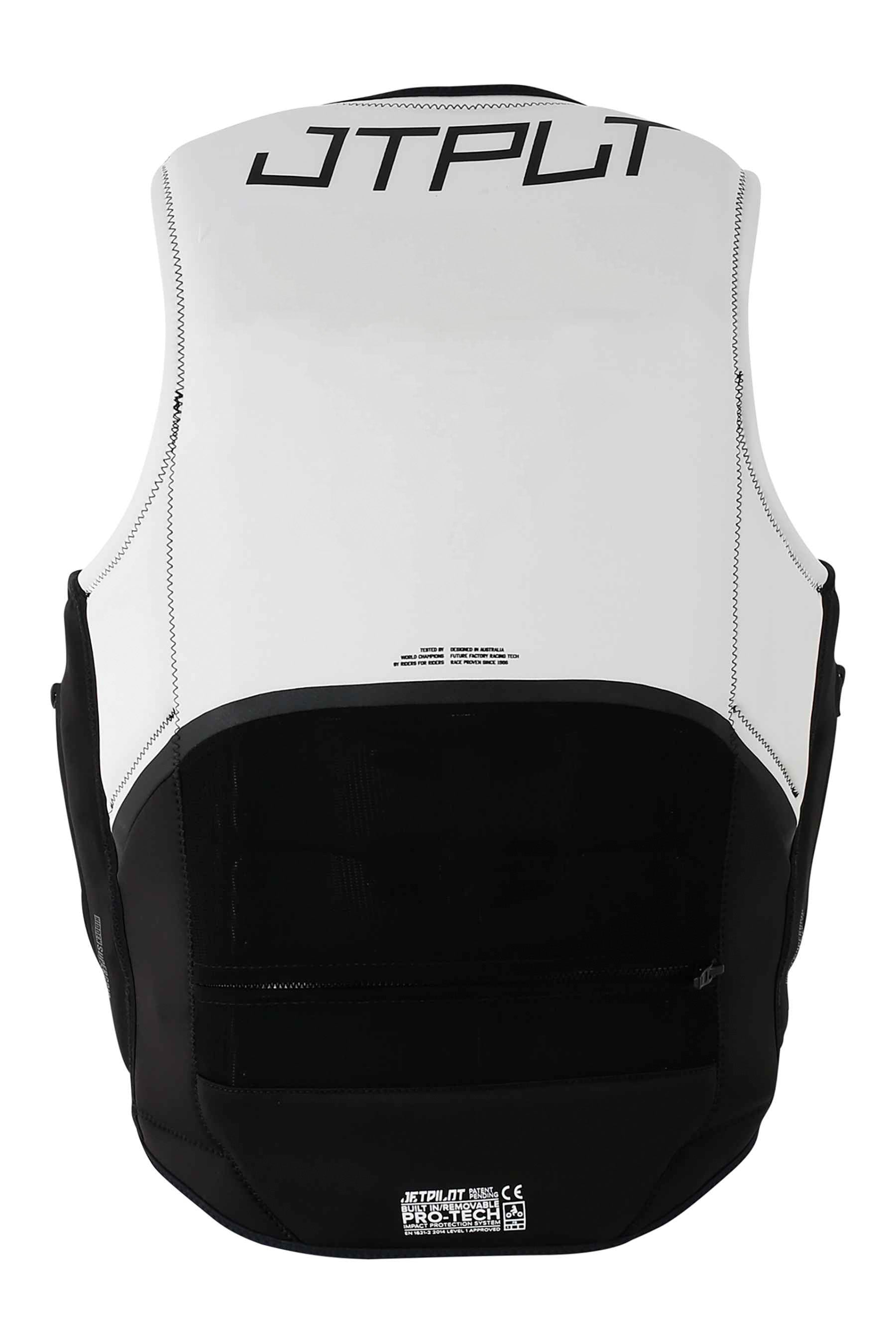


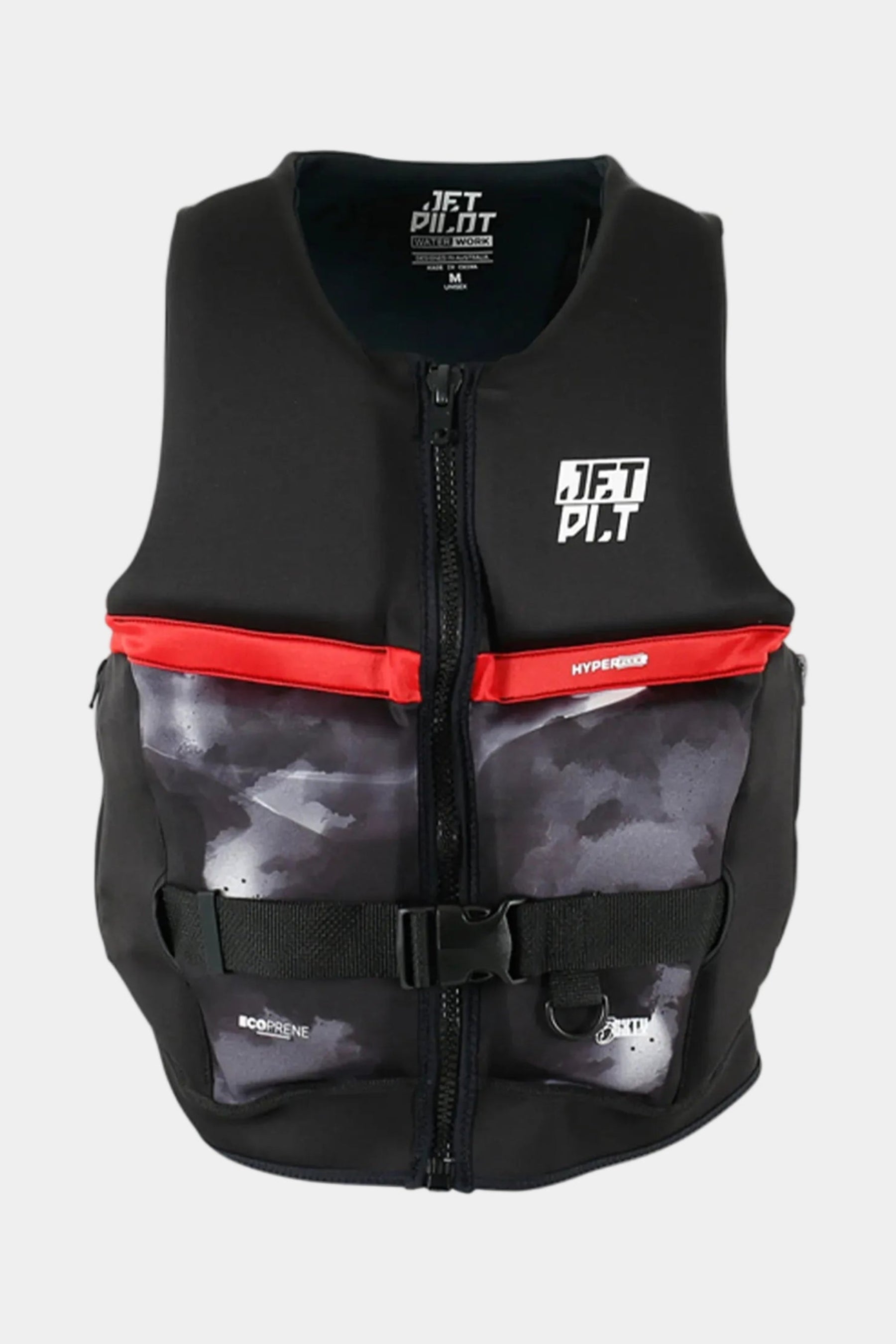
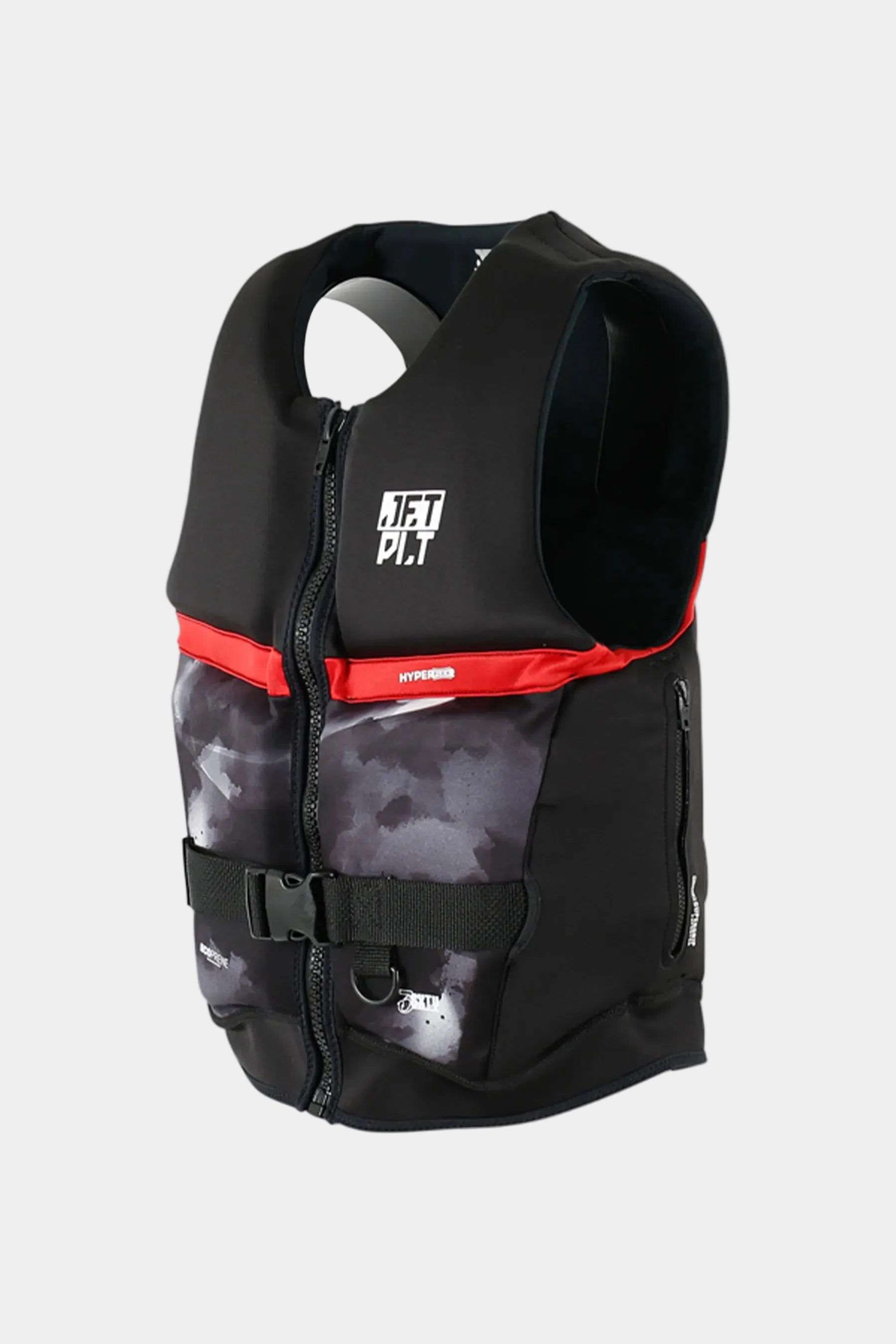
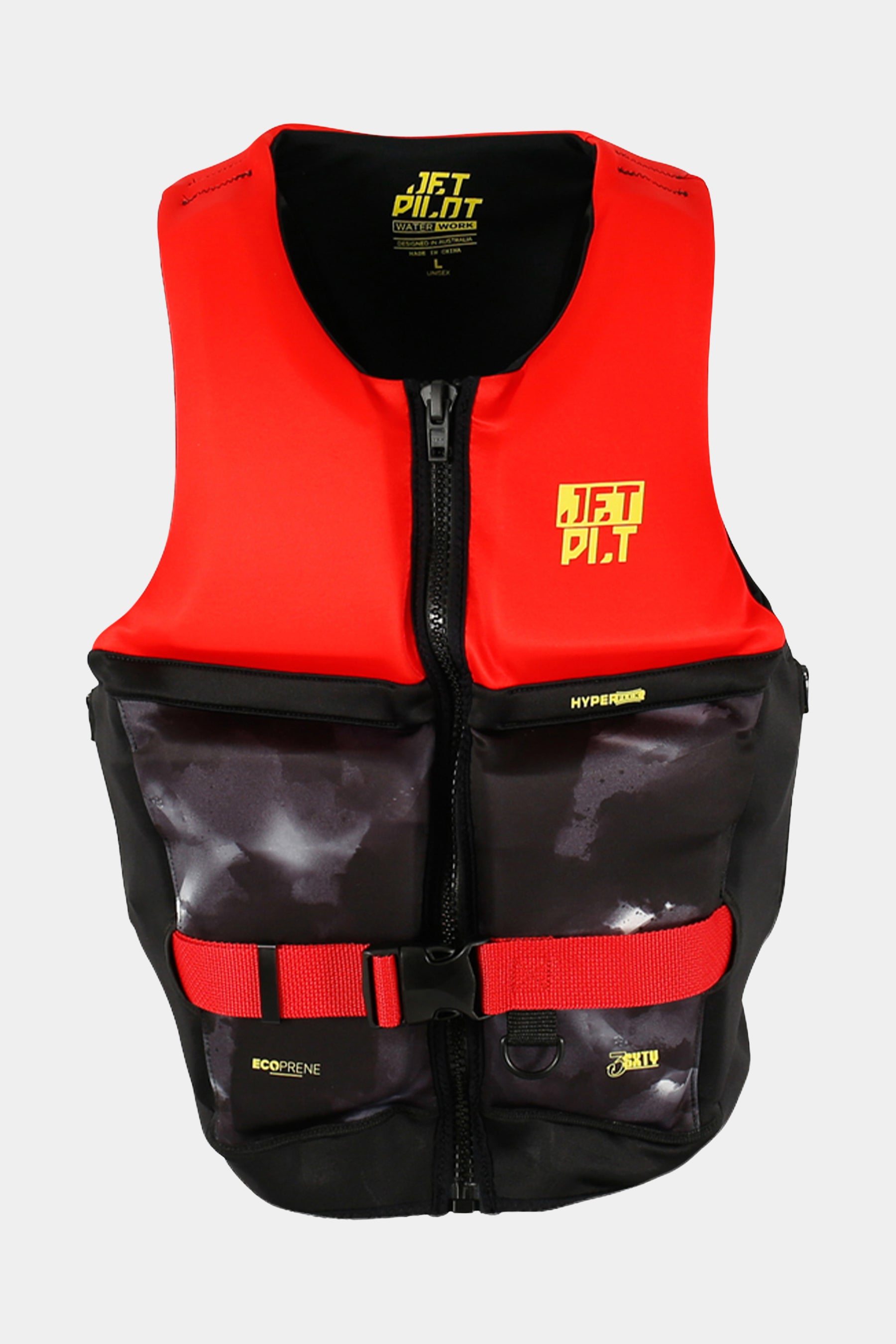
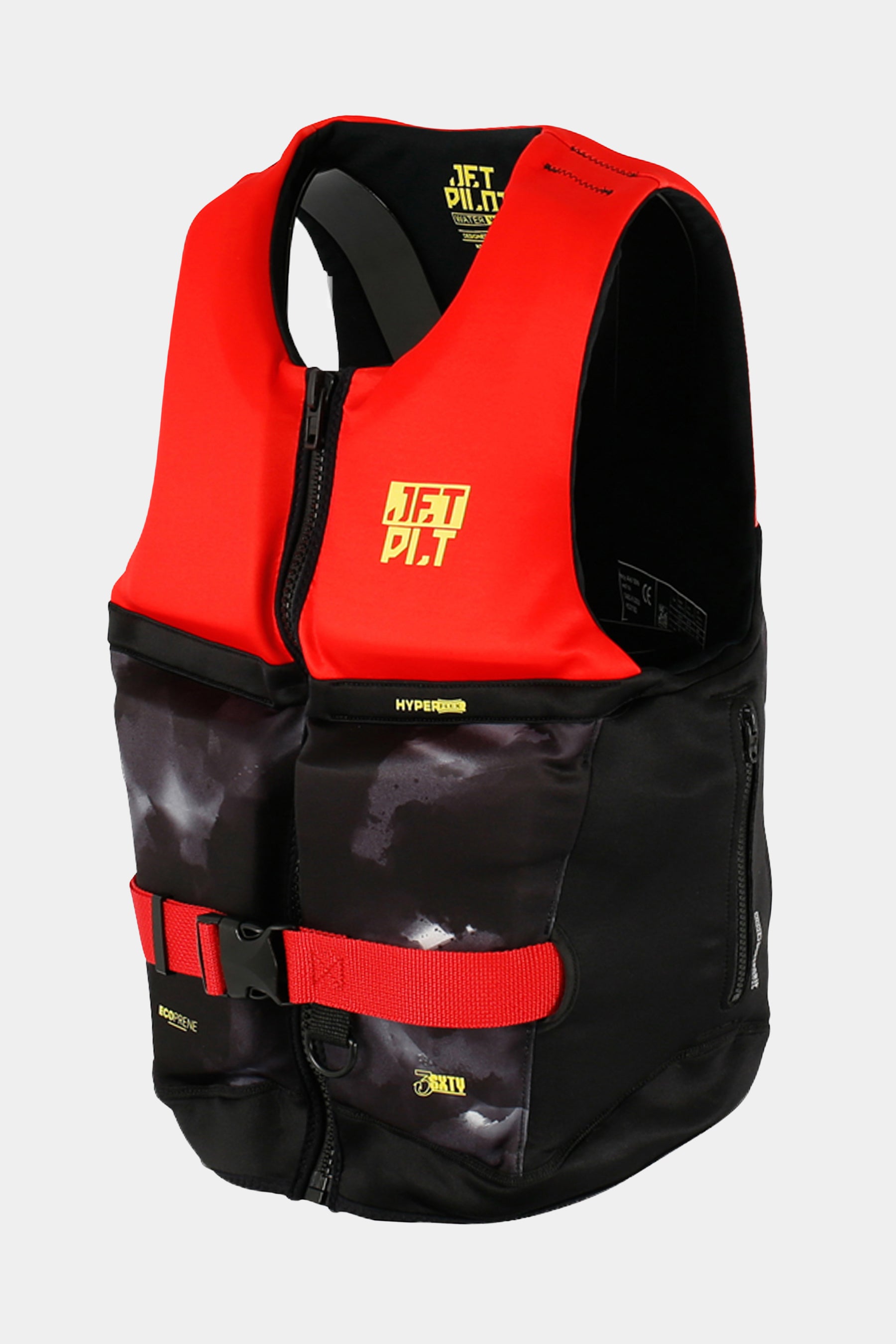


Jetpilot women's life jackets — performance vests cut for female anatomy: narrower shoulders, defined waist, anatomical bust profile. Designed specifically for the female body, from the Allure front-entry for cruise comfort to the X1 Race line for wakeboard and jetski performance. Every women's life jacket meets ISO 12402-5 or higher and is built to stay put through impact, jump or fall.
How to choose the right women's life jacket
A well-fitted 50N buoyancy aid (ISO 12402-5) with female anatomical cut is the standard for active watersports. Key differences from men's models: narrower shoulder straps, anatomical bust cuts, shorter front length. Without these details, the vest sits incorrectly and can ride up on impact. The Jetpilot line includes multiple women's cuts: Allure (cruise comfort), Cause (all-round), Pacer X1 (wake/race), Zahra Kell Signature (pro-performance).
Women's vs. men's life jacket — the difference
Women's vests aren't simply "smaller" men's models. They have anatomical bust cuts (without these, the vest presses uncomfortably), narrower shoulder straps for better fit and a shorter front length that respects the natural female waist. Result: better fit, higher safety, more comfort. A men's vest rarely fits a woman well and can ride up on impact or restrict breathing.
Sizing: the deciding factor
Sized by chest measurement and body weight, not regular clothing size. Measure your chest at the widest point (over your bra) and compare to our size chart. Most women's vests range from XS to XL. A correctly fitted vest doesn't slide above the chin when someone pulls the shoulders upward. Full arm mobility must be preserved — essential for wakeboard and jetski.
Watersports during pregnancy
Always consult your doctor before any watersports during pregnancy. In the first trimester, standard sizes usually still fit and gentle activity (swimming, short SUP sessions) is possible. From the second trimester, a larger size is often needed or a break is advisable. In the third trimester, we recommend pausing active watersports. Mother and baby safety is the priority — no life jacket is certified specifically for pregnancy.
Frequently asked questions
What type of life jacket is best for women?
Depends on use. For wakeboard and jetski: shorter cut with segmented buoyancy like Pacer X1 or Zahra Kell Signature in our wakeboard collection. For SUP, kayak, recreational use: Allure and Cause with front-entry and Ecoprene for high comfort. More important than brand: female anatomical cut and correct sizing.
What does 150N mean on a life jacket?
150N indicates the minimum buoyancy in newtons. Classification: 50N buoyancy aid for active swimmers; 100N life jacket with auto-righting in coastal waters; 150N auto-righting even with foul-weather clothing in offshore conditions; 275N professional use with heavy gear. For women's watersports, 50N certified is optimal and required — higher classes restrict mobility unnecessarily.
Can you drown wearing a life jacket?
The vest dramatically reduces risk but doesn't eliminate it. Most common causes: poorly fitted vest that displaces in water, hypothermia after extended time, head injury when falling, entanglement between vessels. The 50N vest does not auto-right unconscious wearers (only 100N+ does). Correct fit, not removing it in water and quick rescue assistance are as important as wearing it.
What does the 50 mean on a life jacket?
50N is the minimum buoyancy in newtons — the force needed to keep an adult afloat. It's the "buoyancy aid" class for active, swim-capable adults. Sufficient to keep you on the surface, but does NOT auto-right an unconscious person — that requires 100N+ . For jetski, wakeboard and active sports, 50N is the legal standard in the EU and UK.
How long does a life jacket last in the water?
A well-made vest keeps a person afloat indefinitely — provided certified buoyancy is preserved. However, hypothermia, swell, fatigue and dehydration limit human survival in cold water to hours, not days. The key isn't just the vest but rapid rescue. Modern vests integrate whistle, retro-reflective panels and SOLAS bands for location.
Can I wear a women's vest during pregnancy?
In the first trimester, standard sizes usually still fit — gentle activity is possible after medical advice. From the second trimester, a larger size is needed or a break is advisable. No vests are certified specifically for pregnancy — ISO 12402 doesn't account for this special body shape. When in doubt: avoid active watersports in deep water during late pregnancy.