


Jetski Life Jackets
Performance-grade PWC vests, ISO 12402-5 certified, designed for sustained high-speed riding. From RX Vault Pro-Tech race vests with reinforced impact zones to all-day front-entry recreational vests — every model is built around the way jetski riders actually move on the water.
Filters
15 products


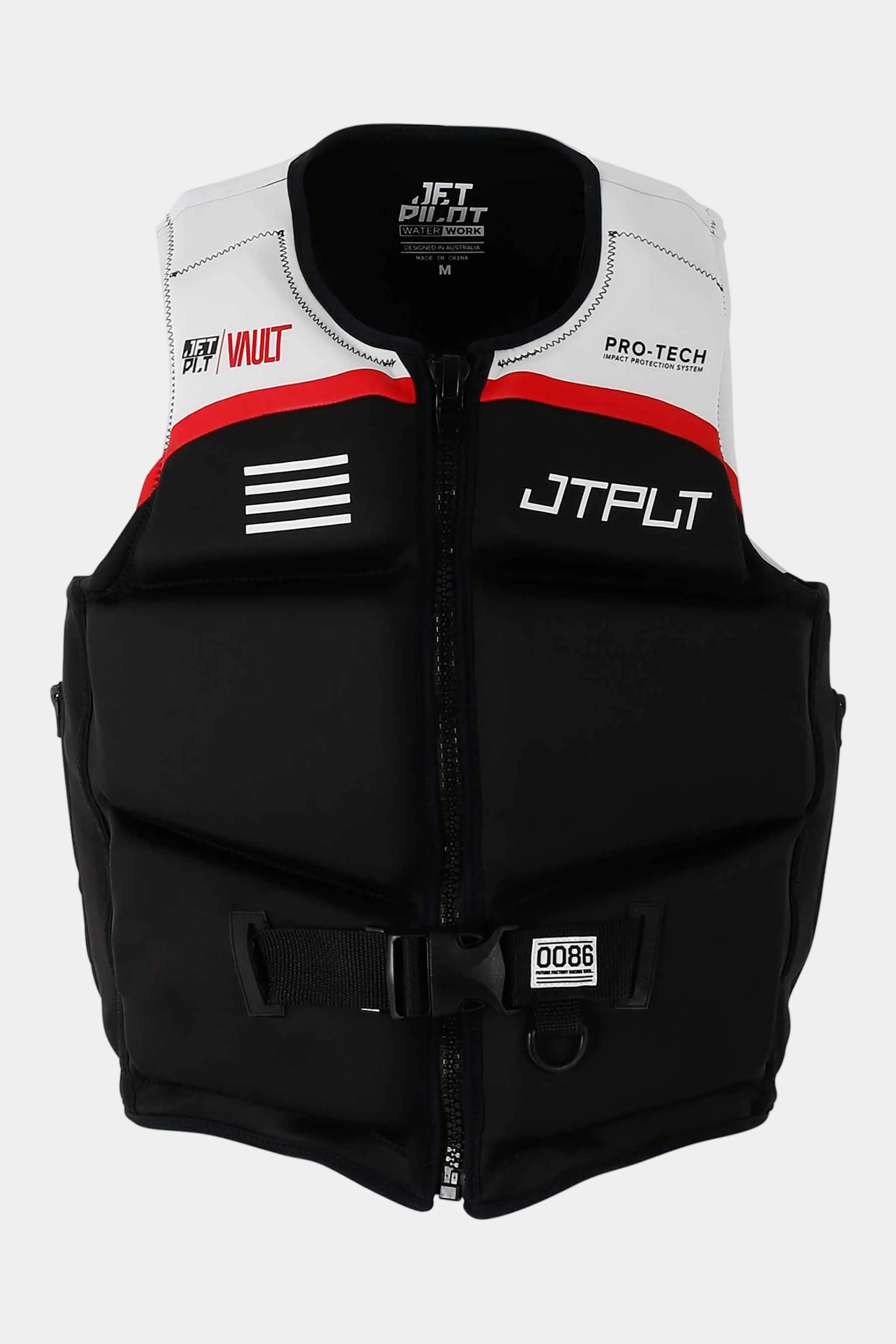
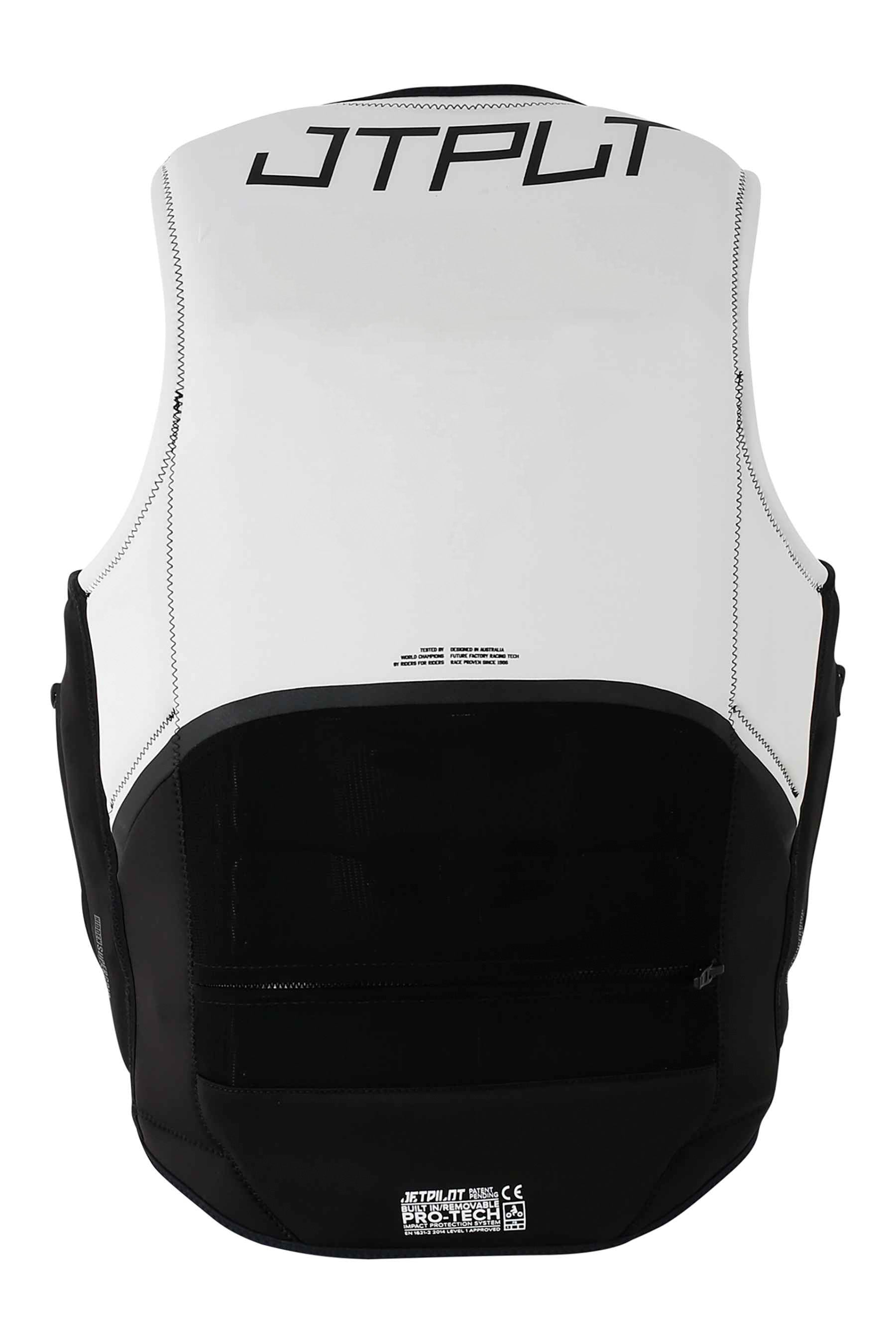


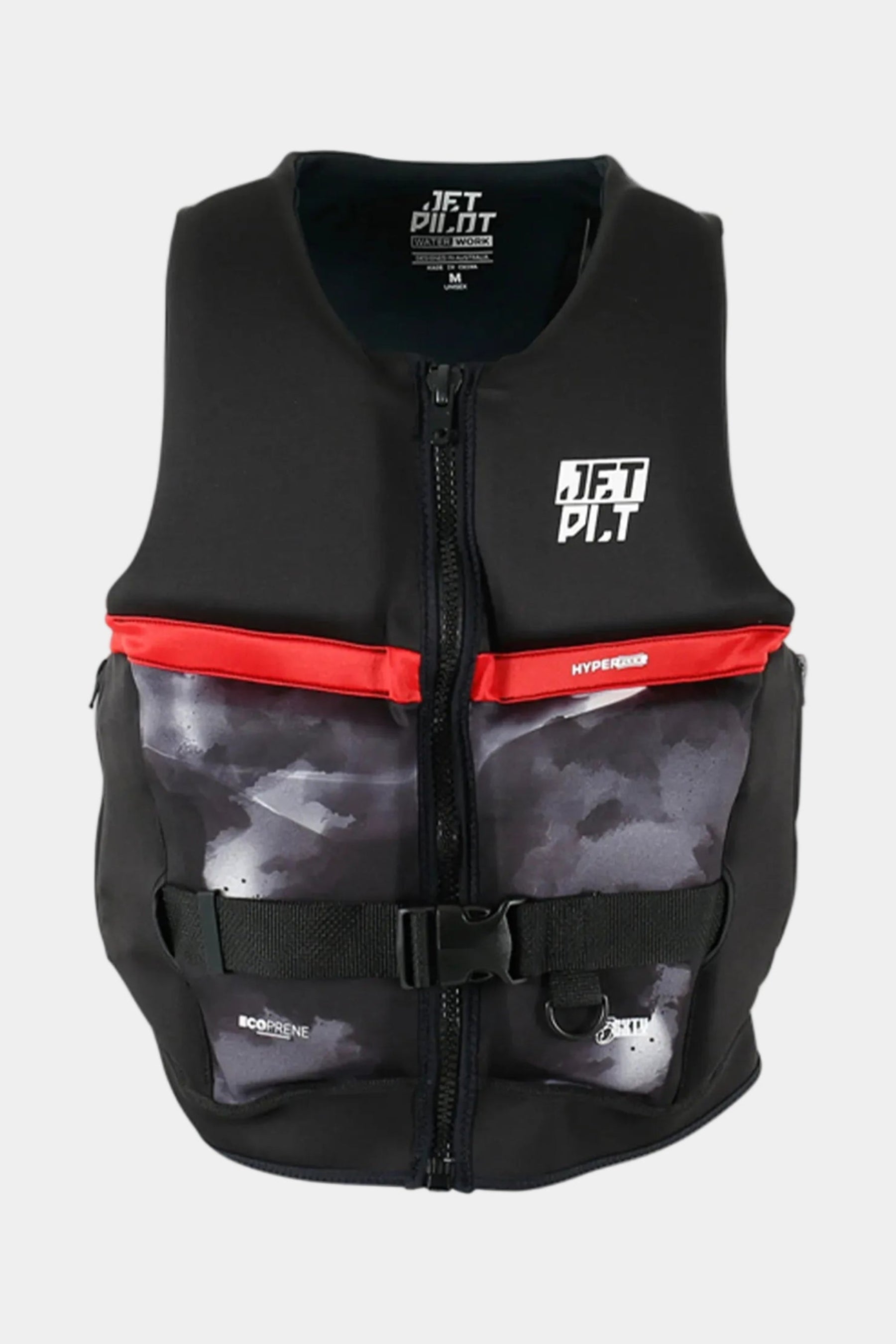
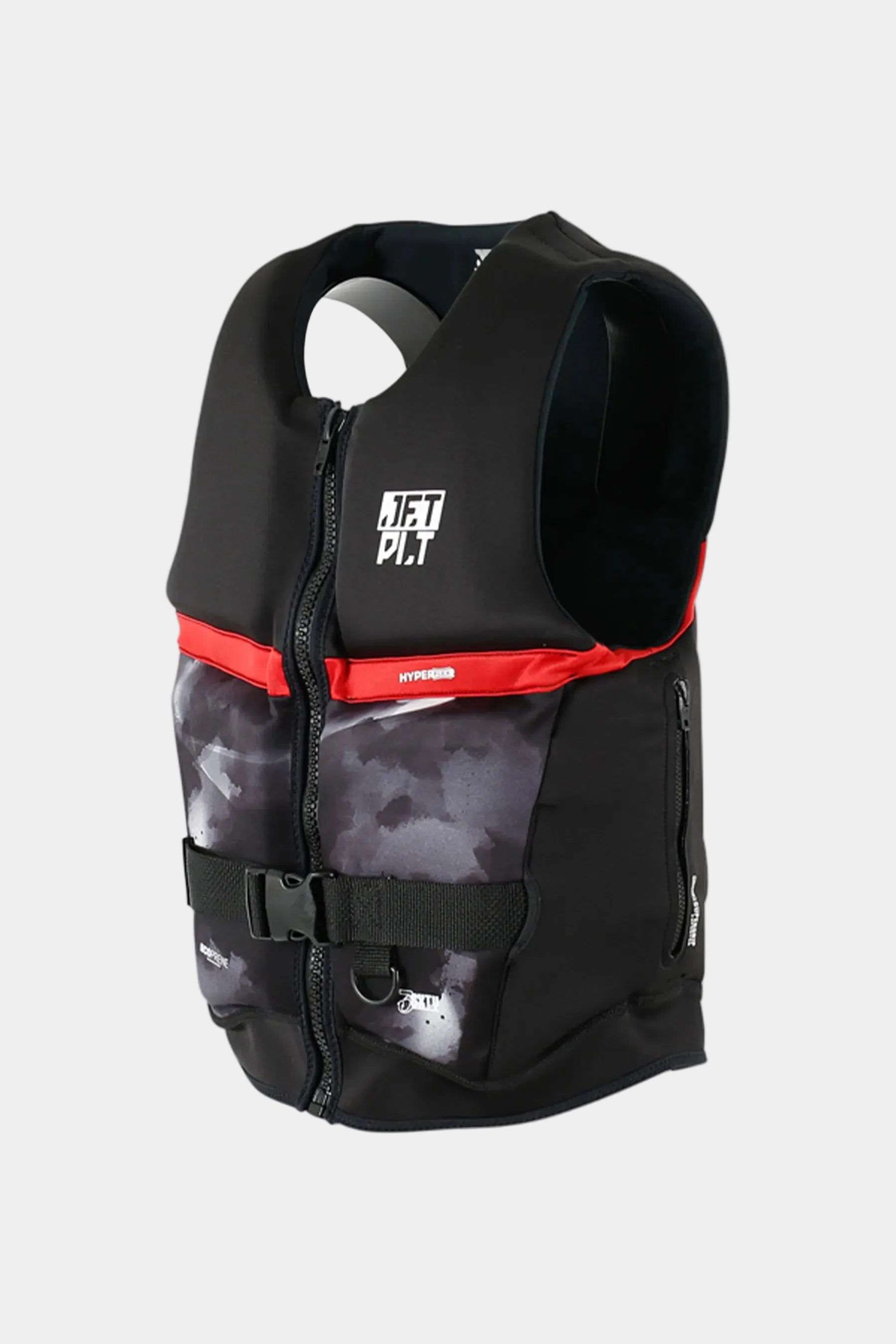


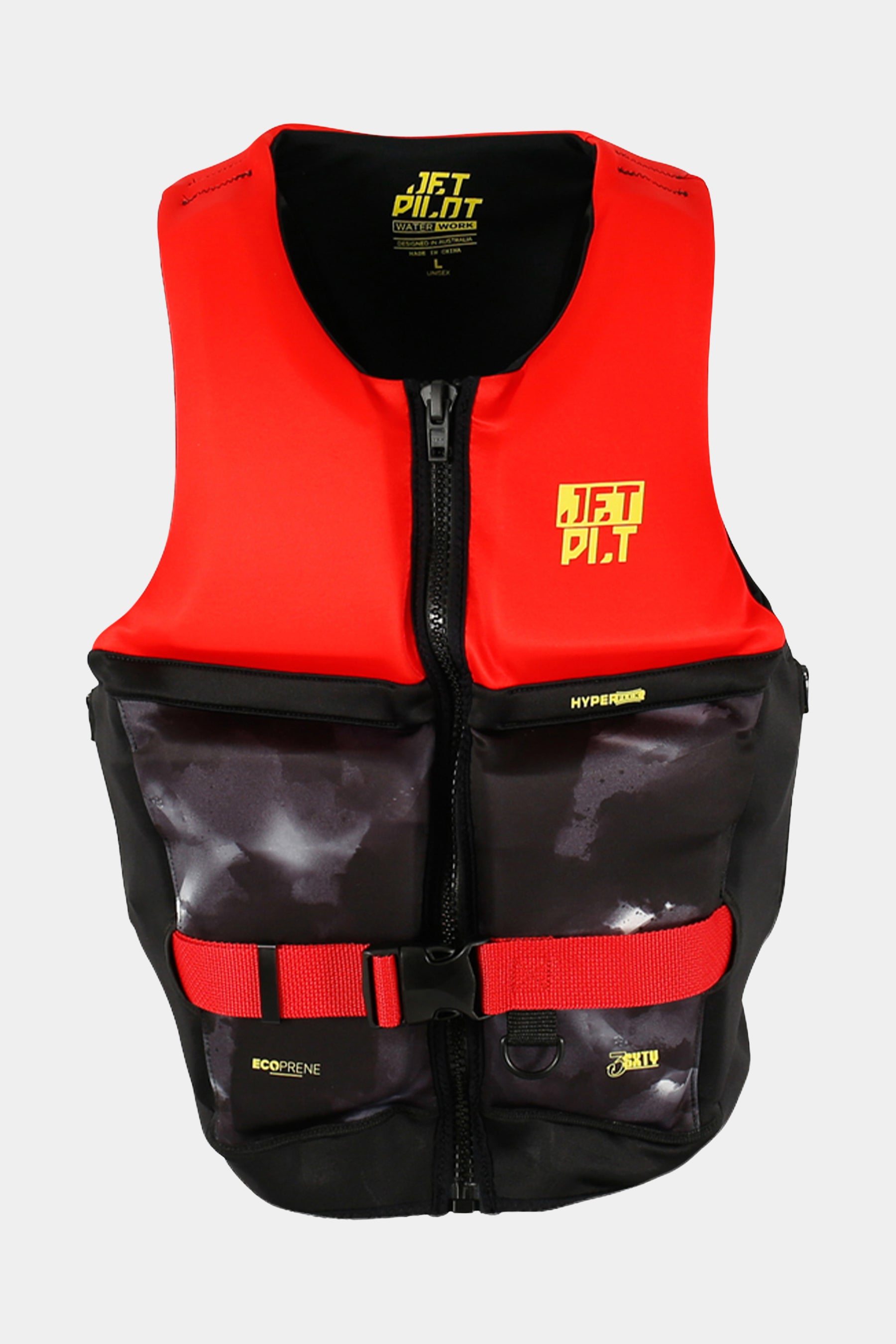
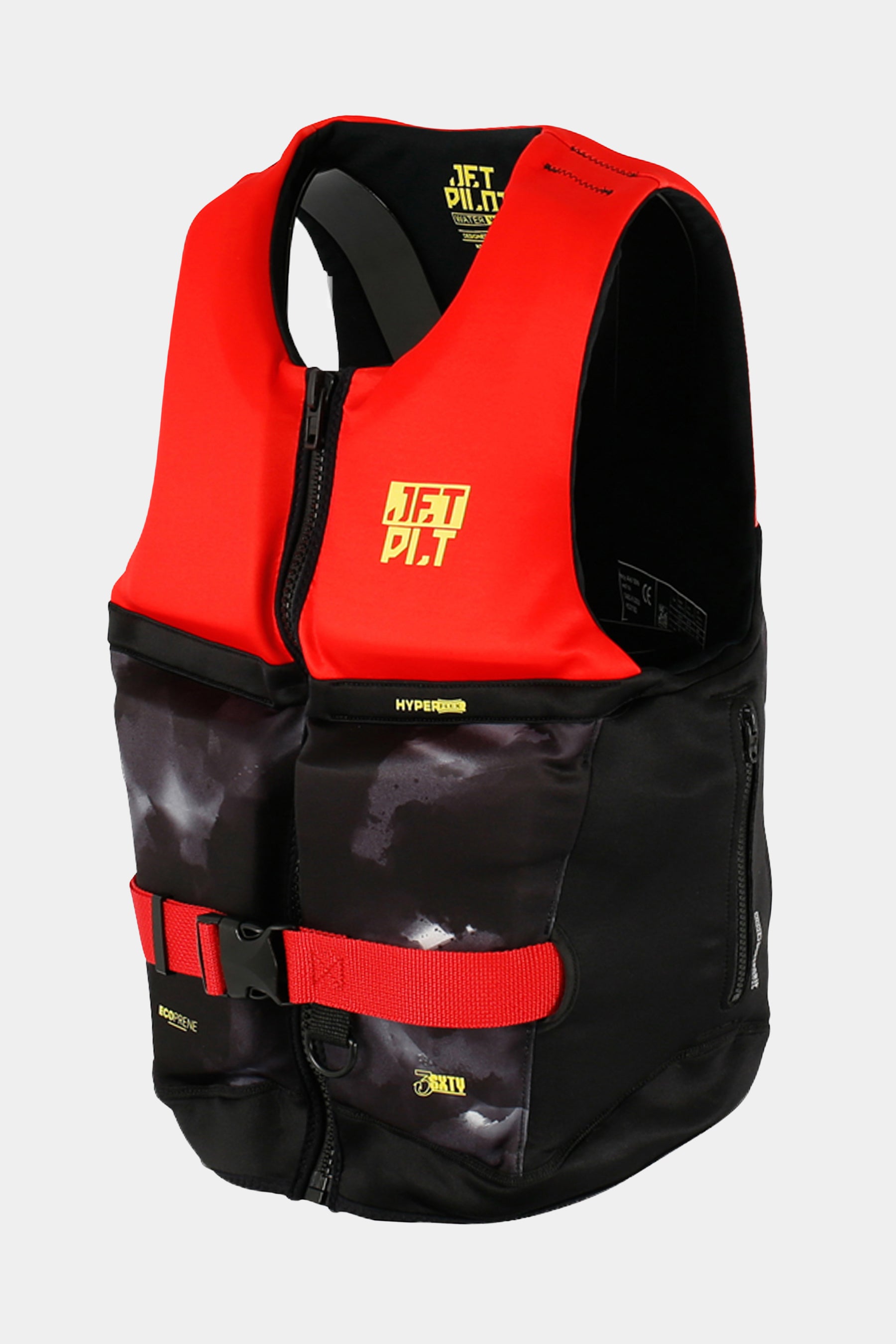


Jet ski life jackets from Jetpilot — built for sustained high-speed riding. Every PWC vest in this collection carries ISO 12402-5 certification and combines certified buoyancy with full freedom of movement. From the RX Vault Pro-Tech racing vest with reinforced impact zones to front-entry recreational vests for weekend cruisers — every model is built for how jetski riders actually move on the water.
What life jacket class do I need for jetski?
In the EU and UK, 50N (ISO 12402-5) is the legal minimum for jetski riding — it's a buoyancy aid for active swimmers, not a full life jacket. All Jetpilot jet ski life jackets meet or exceed this standard. For long offshore rides or weaker swimmers, we recommend 100N (ISO 12402-4) models with auto-righting capability — these turn an unconscious wearer face-up.
Buoyancy aid vs. life jacket: the difference
A buoyancy aid (50N) supports active, swim-capable adults. It provides flotation but does not auto-right an unconscious wearer. Standard for jetski, wakeboard and active watersports. A life jacket (100N+) turns an unconscious wearer face-up — required for offshore navigation, recommended for children and weak swimmers. For active jetski use, 50N is the standard because it preserves freedom of movement.
Front entry, side entry or pull-over?
Front entry: zip at the front, easy to put on without help — ideal for changing on a dock or boat. Side entry: zip at the side, tighter race-cut fit. Pull-over: no zip, pulled over the head — tightest fit but slowest to put on. For most riders, front entry is the right choice. Available in men's, ladies' and kids' cuts.
Materials: Ecoprene, neoprene or EVA?
Ecoprene is Jetpilot's environmentally-conscious variant — same performance as standard neoprene, lower production impact. Neoprene offers excellent comfort and durability. EVA foam is used in Pro-Tech race vests for maximum impact absorption at high speed. For all-round use, our X1 and Cause series in neoprene and Ecoprene are the right choice.
Frequently asked questions
What life jacket do I need for jet ski?
50N (ISO 12402-5) at minimum. For competition or high-speed riding, choose models with reinforced impact zones like the RX Vault Pro-Tech. For recreational riding, the X1 or Cause series is a strong fit. Most importantly: correct sizing. A loose vest rides up on impact and can restrict breathing under water.
Do I need a life jacket on a jet ski?
Yes — legally required across the EU and UK. The minimum is 50N (ISO 12402-5) with a CE mark. Even when riding solo, the vest must be worn — not just stowed on board. Most serious jetski incidents involve unexpected falls; the vest is what keeps you on the surface long enough for assistance to arrive.
What type of life jacket is suitable for jet ski?
Specifically-designed jetski vests have a shorter cut (won't ride up on impact), segmented buoyancy panels (preserve shoulder mobility), and front- or side-entry closures. General boating vests with long front panels and thin shoulder straps are less suitable — they ride up and restrict movement.
What buoyancy class do I need?
50N (ISO 12402-5) is mandatory minimum and standard for active jetski use. 100N (ISO 12402-4) with auto-righting is appropriate for long offshore rides or for weaker swimmers. 150N (ISO 12402-3) is for offshore sailing with foul-weather gear and is over-specified for jetski use — restricts movement unnecessarily.
How do I care for my jetski vest?
Rinse with fresh water after every session, dry on a wide hanger in the shade. Salt residue degrades buoyancy chambers, zips and stitching. Never tumble dry — high heat damages the foam and voids the ISO certification. No fabric softener, bleach or ironing.
How do I size a jetski vest?
Sized by chest measurement and body weight — not regular clothing size. Measure your chest at the widest point and compare to our size chart. A correctly fitted vest doesn't slide above the chin when someone pulls the shoulders upward. Full arm mobility must be preserved.