

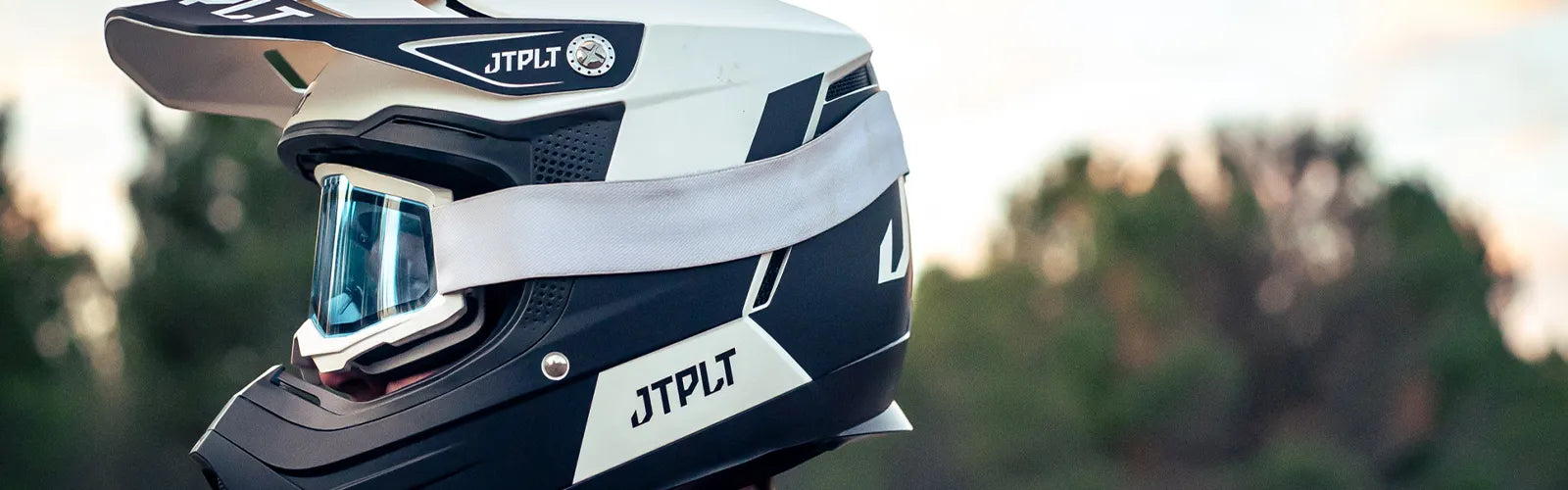
Vault Jetski Helmets
Jetpilot Vault Helmets — EN 1385 watersport-certified jet ski and wake helmets with multi-density EPS impact foam, water-draining shell vents, and goggle channel. Four colours (Black, Red, Yellow, Black/White). Bike and skate helmets are NOT certified for watersport — buy purpose-built.
Filters
4 products
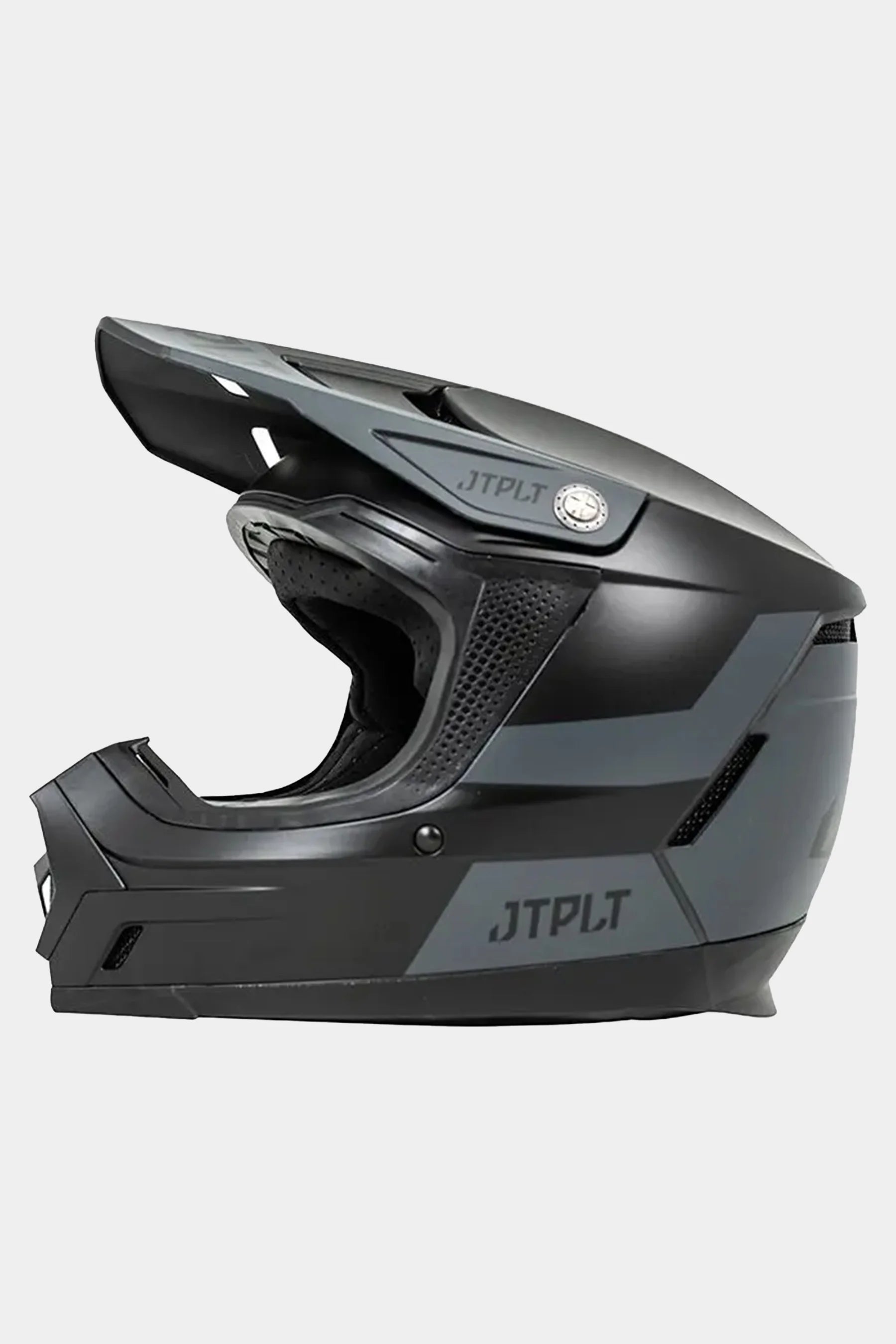
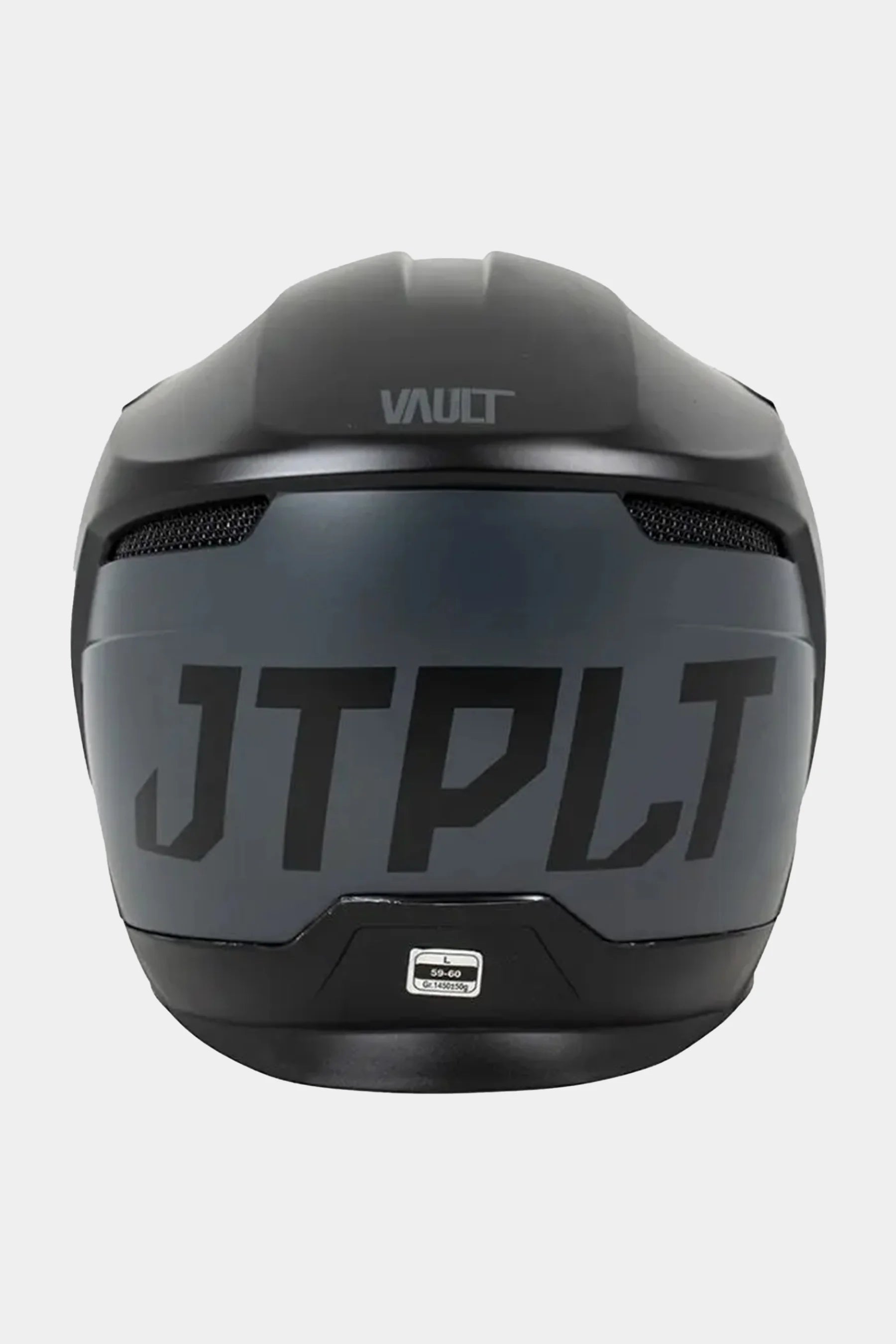
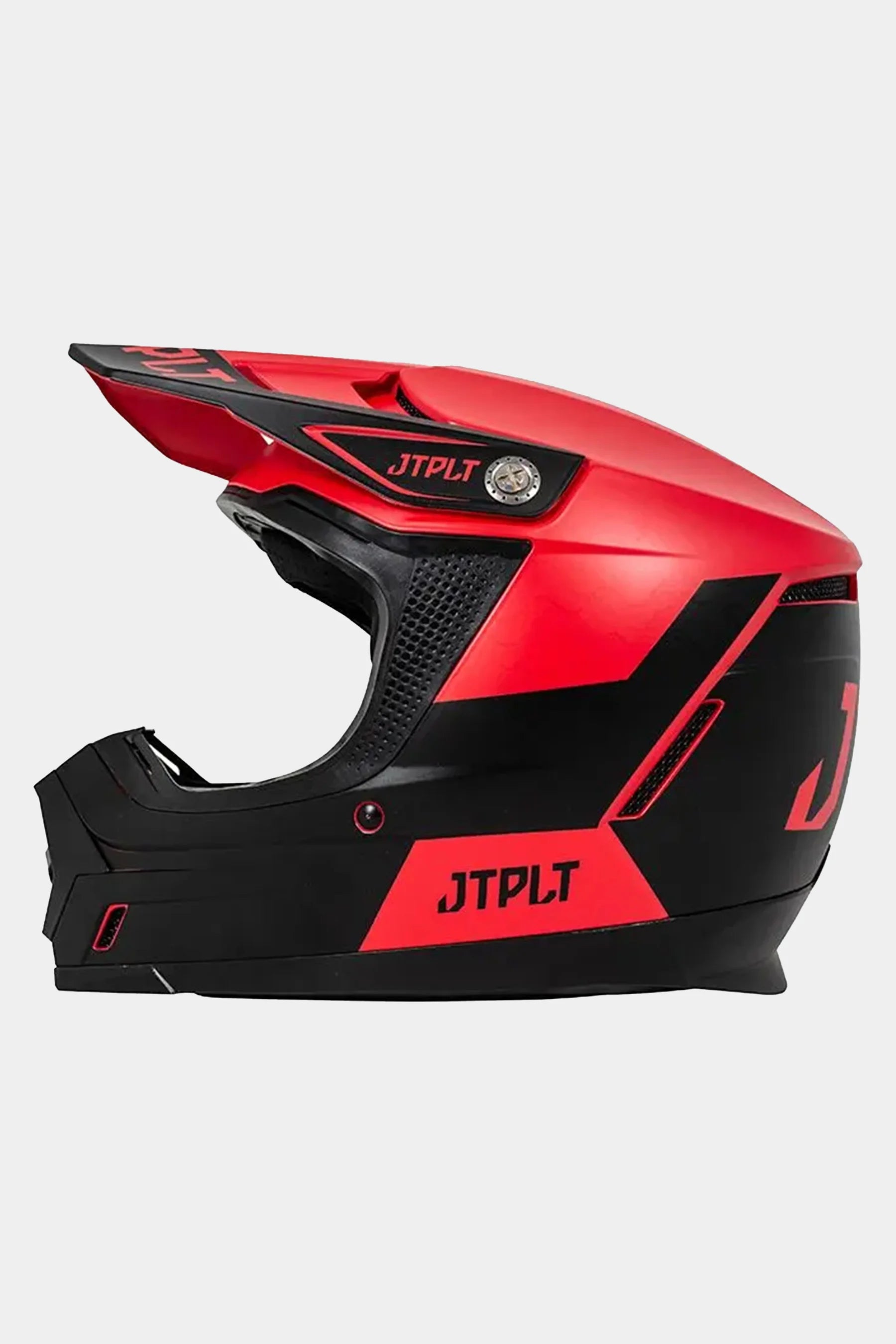
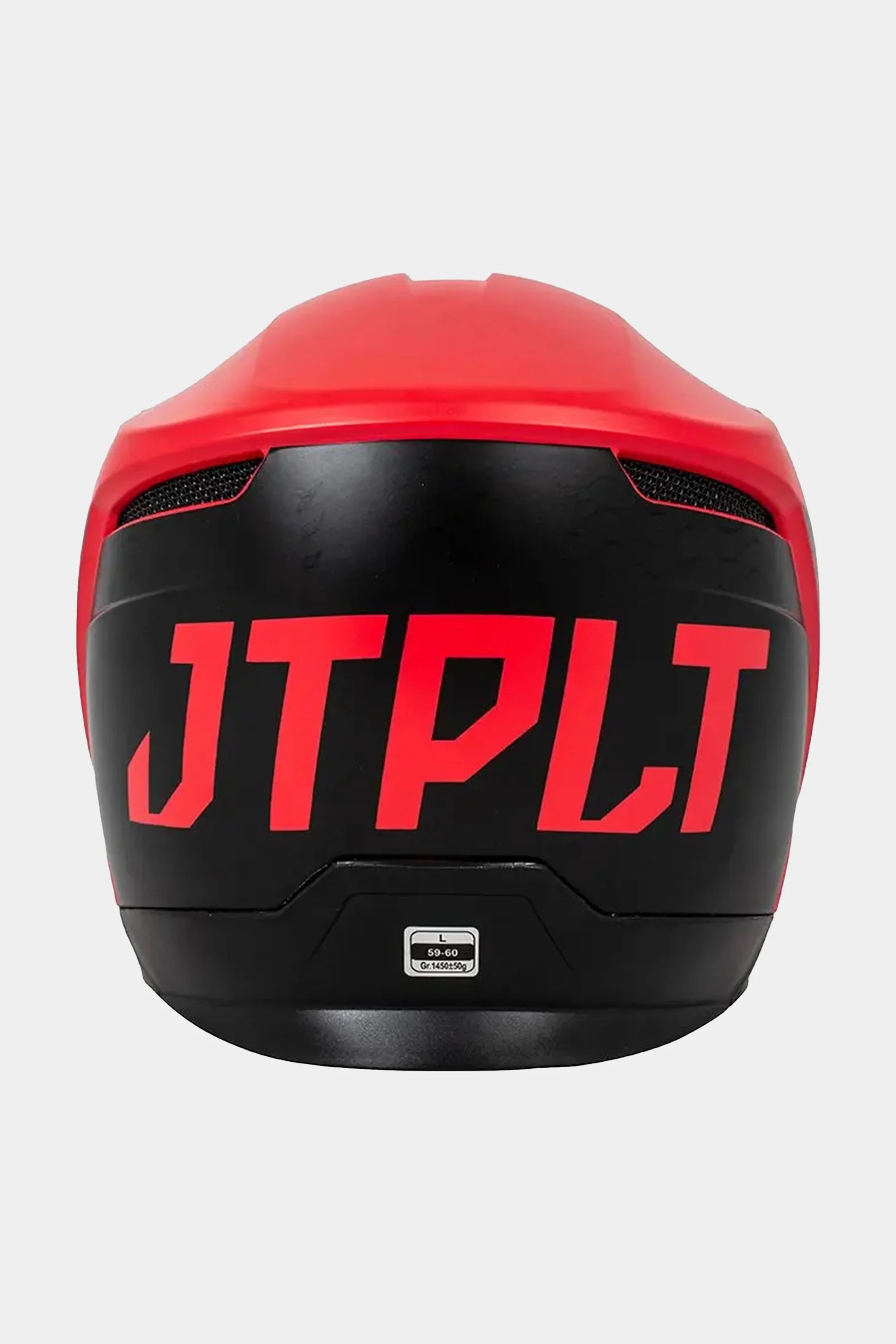
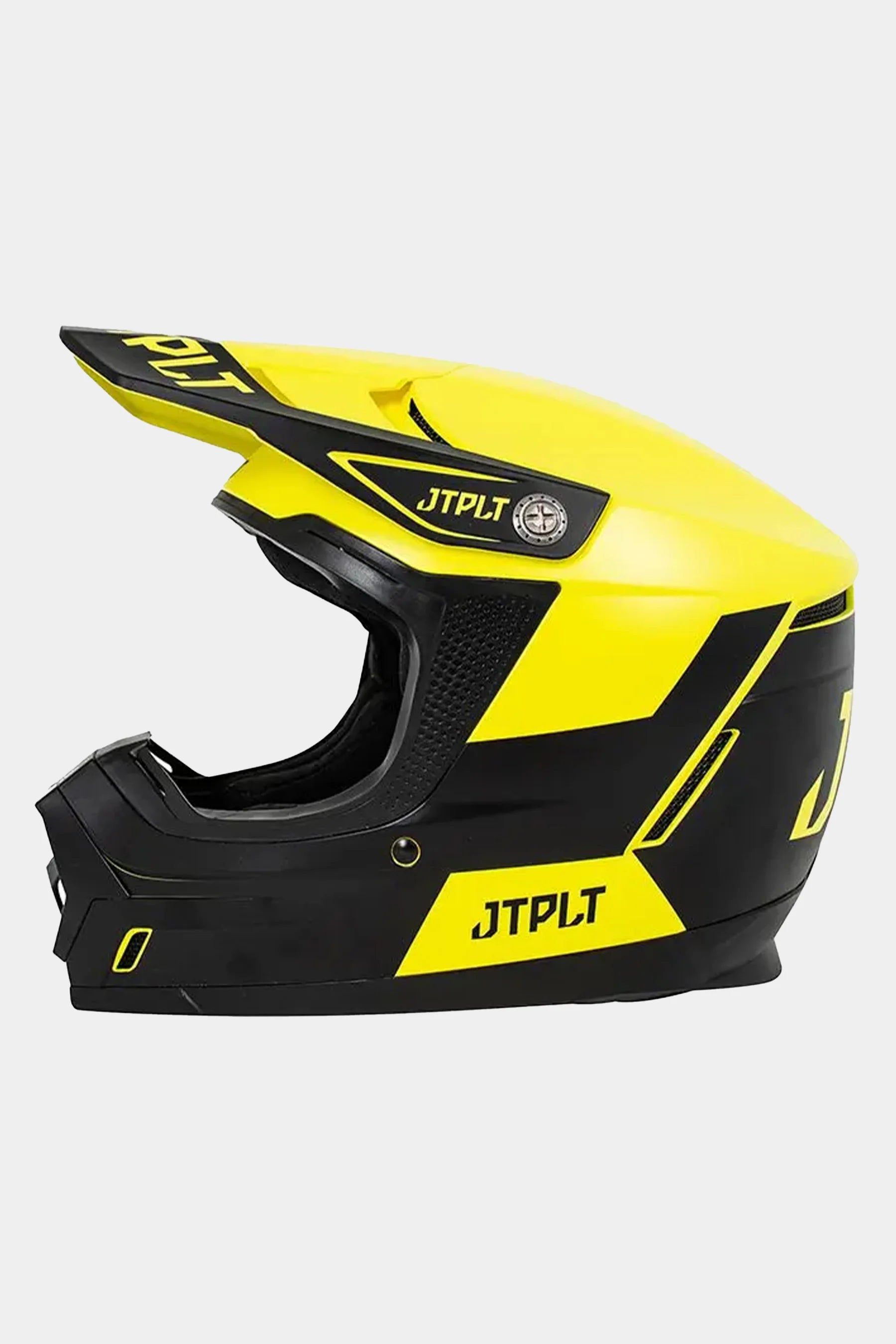
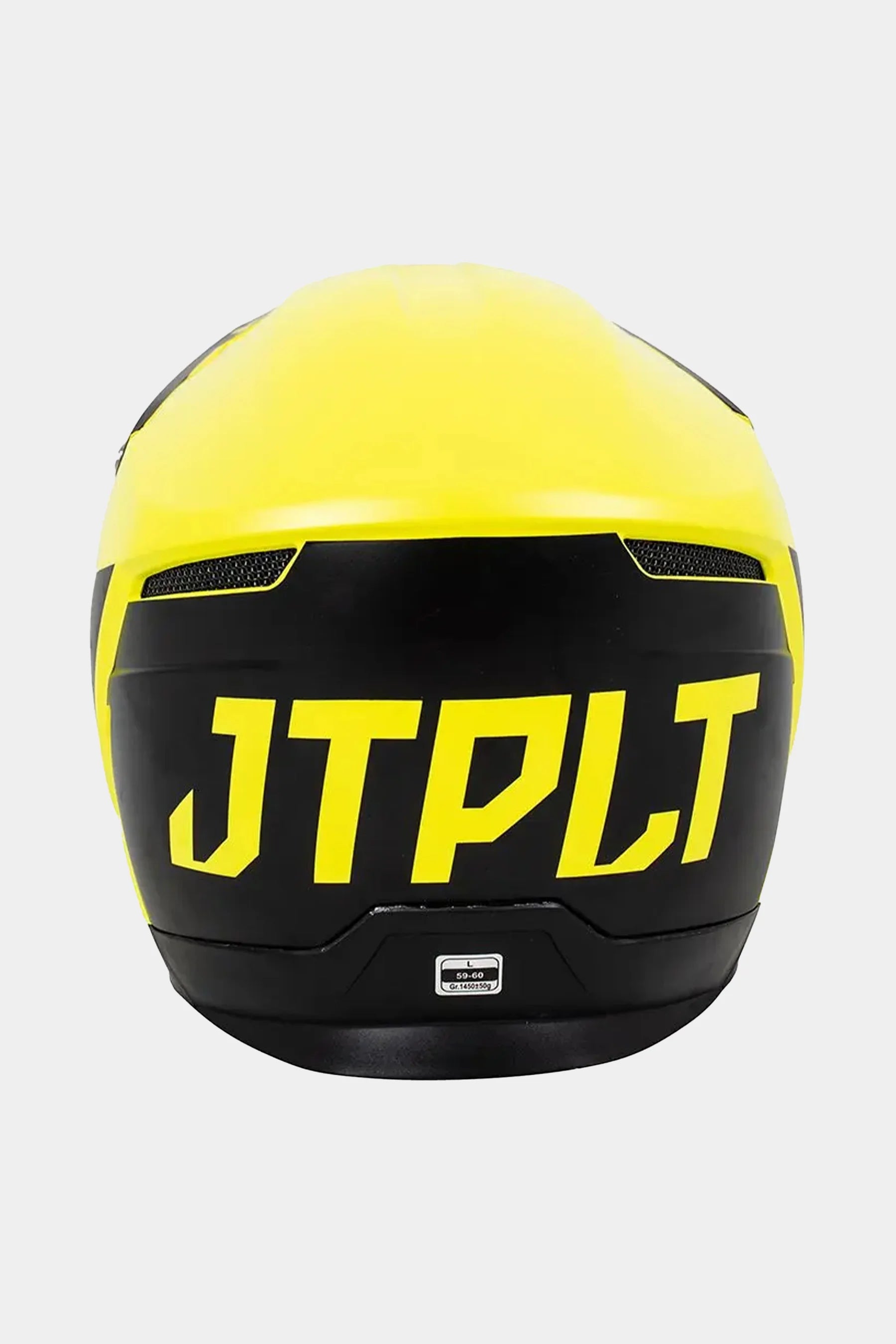
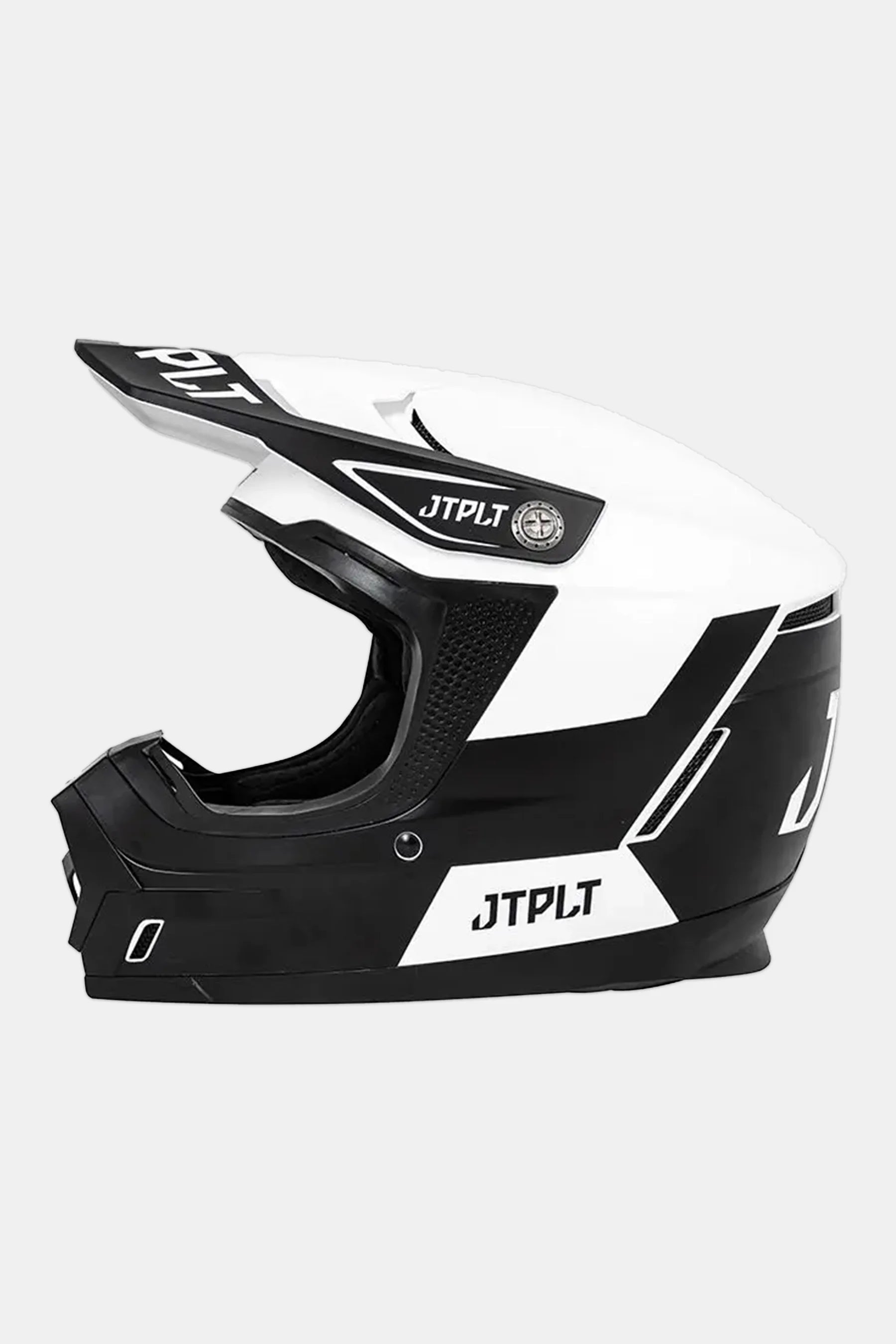
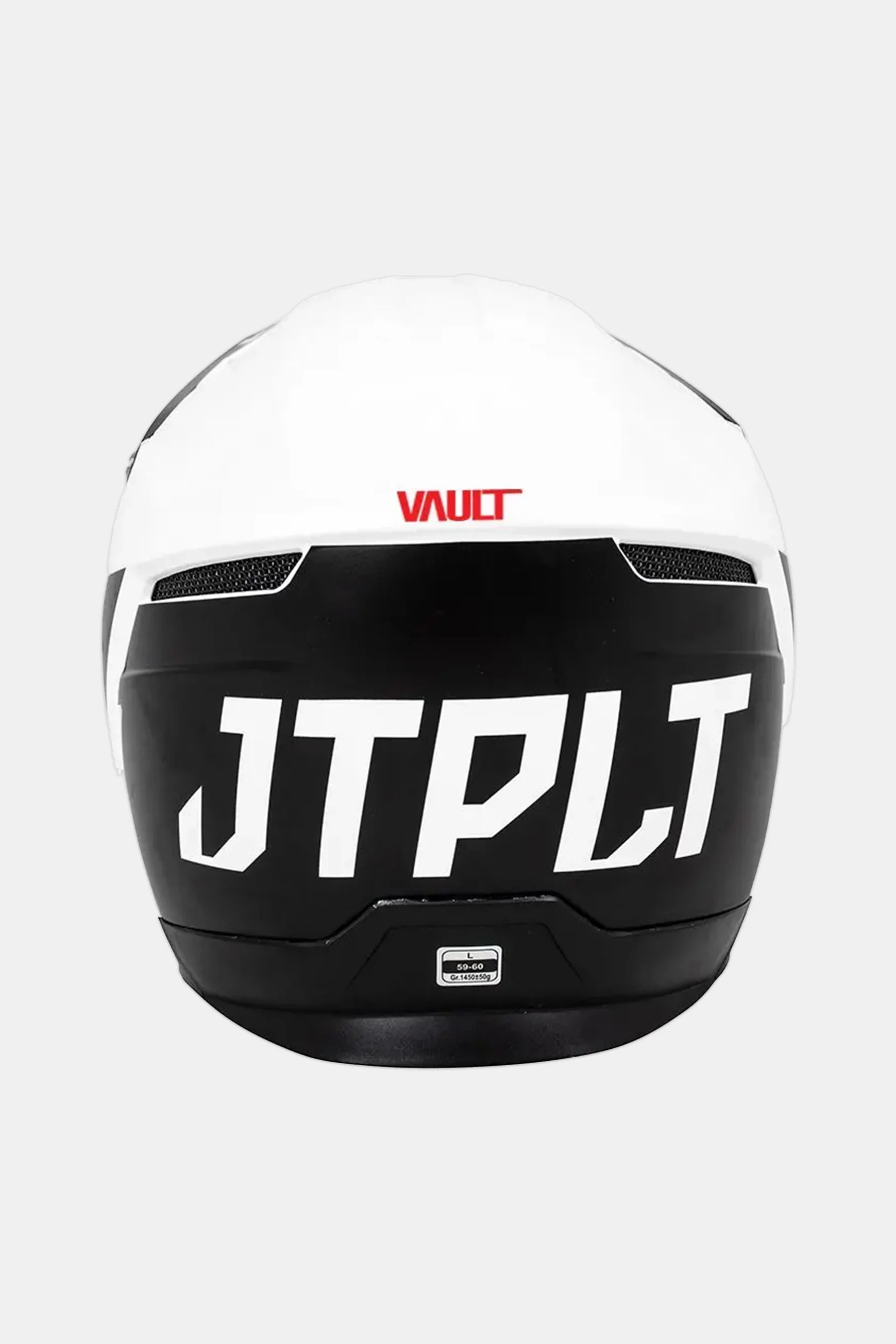
Jetpilot jetski helmets protect against impact during high-speed PWC riding, racing, and wakeboard. The Vault Helmet is the dedicated watersport-specific design — multi-density EPS impact foam, water-draining shell vents, and a chinstrap that won't loosen on water impact. Available in four colourways (Black, Red, Yellow, Black/White), it covers freeride, wake, and competition jet ski use.
Why a watersport-specific helmet?
A jet ski impact is fundamentally different from a bike or skate impact. Water can drown a closed-cell helmet — generic helmets without drainage trap water against the skull, weighing the head and creating a turning hazard during a fall. The Vault Helmet uses through-shell vents that drain on impact and a hydrodynamic shell shape that doesn't catch water at speed. Standard cycling or skate helmets are not certified for water sports — they fail differently when waterlogged.
Sizing and fit
Helmets are sized by head circumference, measured around the largest part of the head (above the ears, across the forehead). The Vault Helmet sizes by S/M/L/XL — see the size chart on each product page for cm ranges. A correctly fitted helmet sits level on the head (not tilted back), the chinstrap should fit two fingers under the jaw, and there should be no gap between forehead and helmet brow when the strap is tightened. Test by shaking the head side-to-side — the helmet should move with the head, not slide independently.
When to replace
Replace any helmet after a single significant impact, even if there's no visible damage — the EPS foam is single-use and crushes on impact. Beyond that, replace every 3–5 years of regular use; UV exposure and salt cycling degrade the shell and foam. Rinse with fresh water after every saltwater session, dry away from direct sun, and never store in a hot car (sustained heat above 50°C breaks down EPS). Check straps and buckles every season — a helmet with a frayed chinstrap or seized buckle has lost its certified fit.
Frequently asked questions
Do I need a helmet for jet ski?
For freeride, no legal requirement in most EU jurisdictions, but strongly recommended above 30 km/h. For racing and competition, helmets are mandatory. For wakeboard towed behind a jet ski, helmets prevent head injury during board-meets-water impacts. Above 50 km/h, water hits with the surface tension of concrete — a helmet is the difference between a bruise and a concussion.
Can I use my bike or skate helmet?
No. Standard cycling, skateboard, or motorcycle helmets aren't certified for watersport — most don't drain, weigh down the head once waterlogged, and aren't shaped for hydrodynamic impact. The Vault Helmet is purpose-built; the EU EN 1385 watersport certification governs the impact testing.
Will it fog or scratch goggles underneath?
The Vault Helmet has a goggle-channel above the brow that prevents pressure on the goggle frame. Most jet ski goggles (including Jetpilot's RX Vault and Vision Race) are designed to fit under helmet brims. Wear the goggle strap inside the helmet shell, not over it — that's the secure fit.
How do I clean a wet jetski helmet?
Rinse the entire helmet (interior + exterior) with fresh water after every salt session. Use a mild non-abrasive soap on the exterior shell if needed. Air-dry away from direct sun — never use a hairdryer or place near a heater. Replace the inner pads when they smell or compress permanently.