

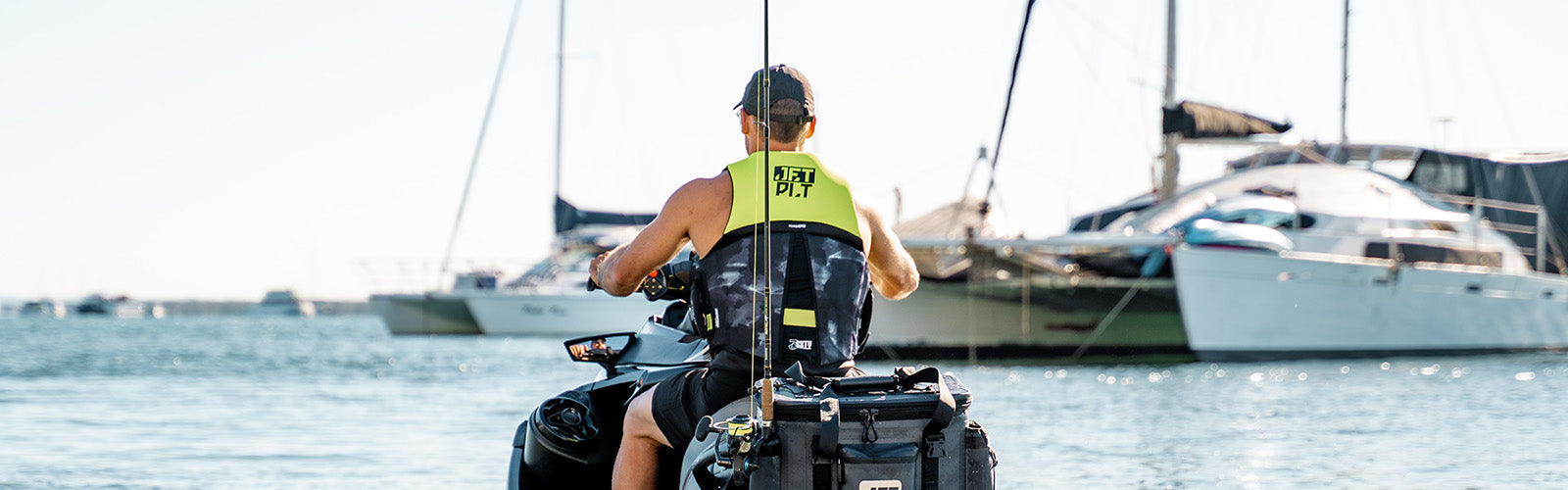
Jetpilot Life Jackets
Jetpilot's full life jacket range — 50N buoyancy aids (ISO-12402-5) for jetski, wakeboard, SUP, and watersport. From the RX Vault Pro-Tech race line to the all-round X1 and Cause series. Choose by sport, gender, and youth or kids fit. Designed for active watersports, not offshore use.
Filters
31 products


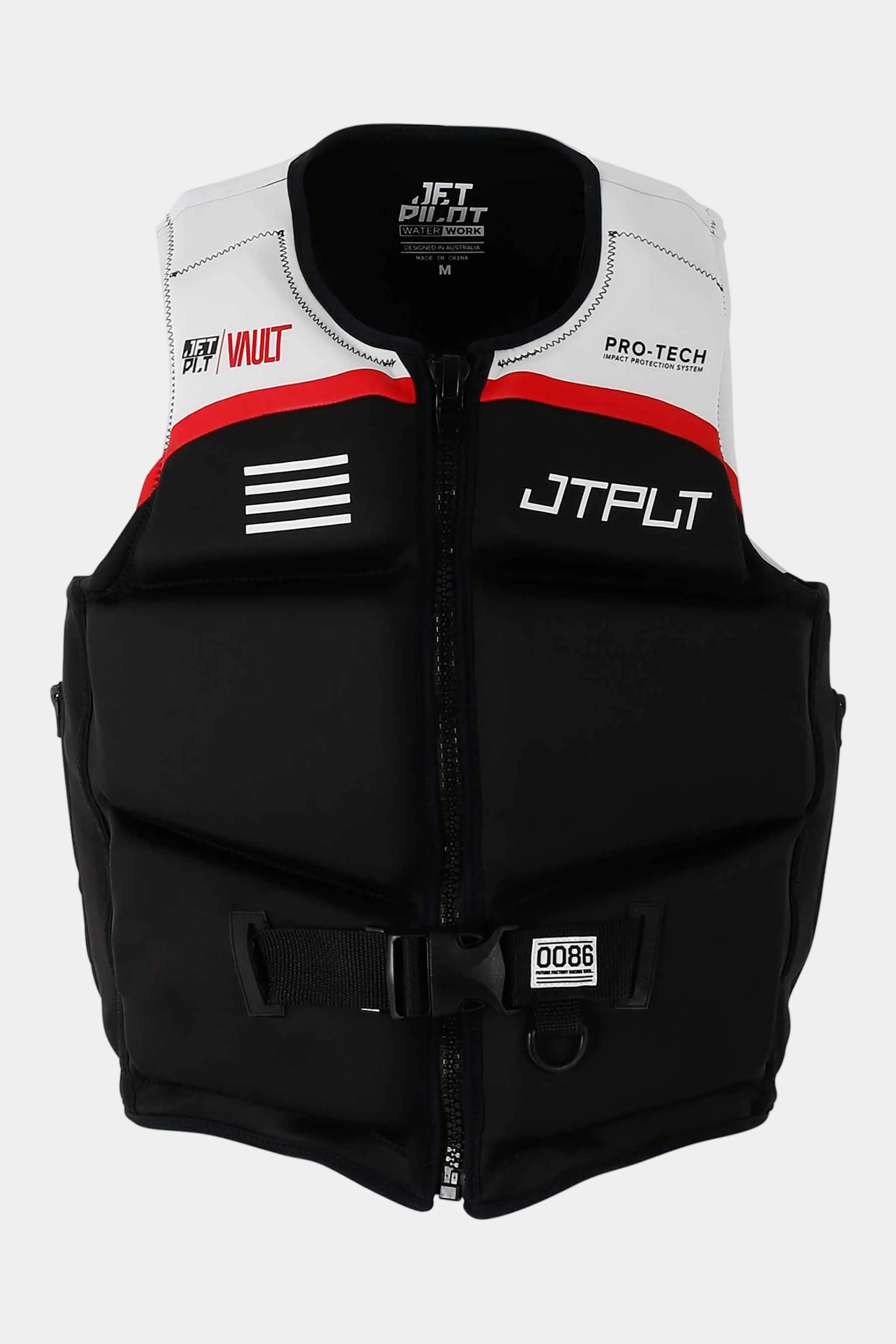
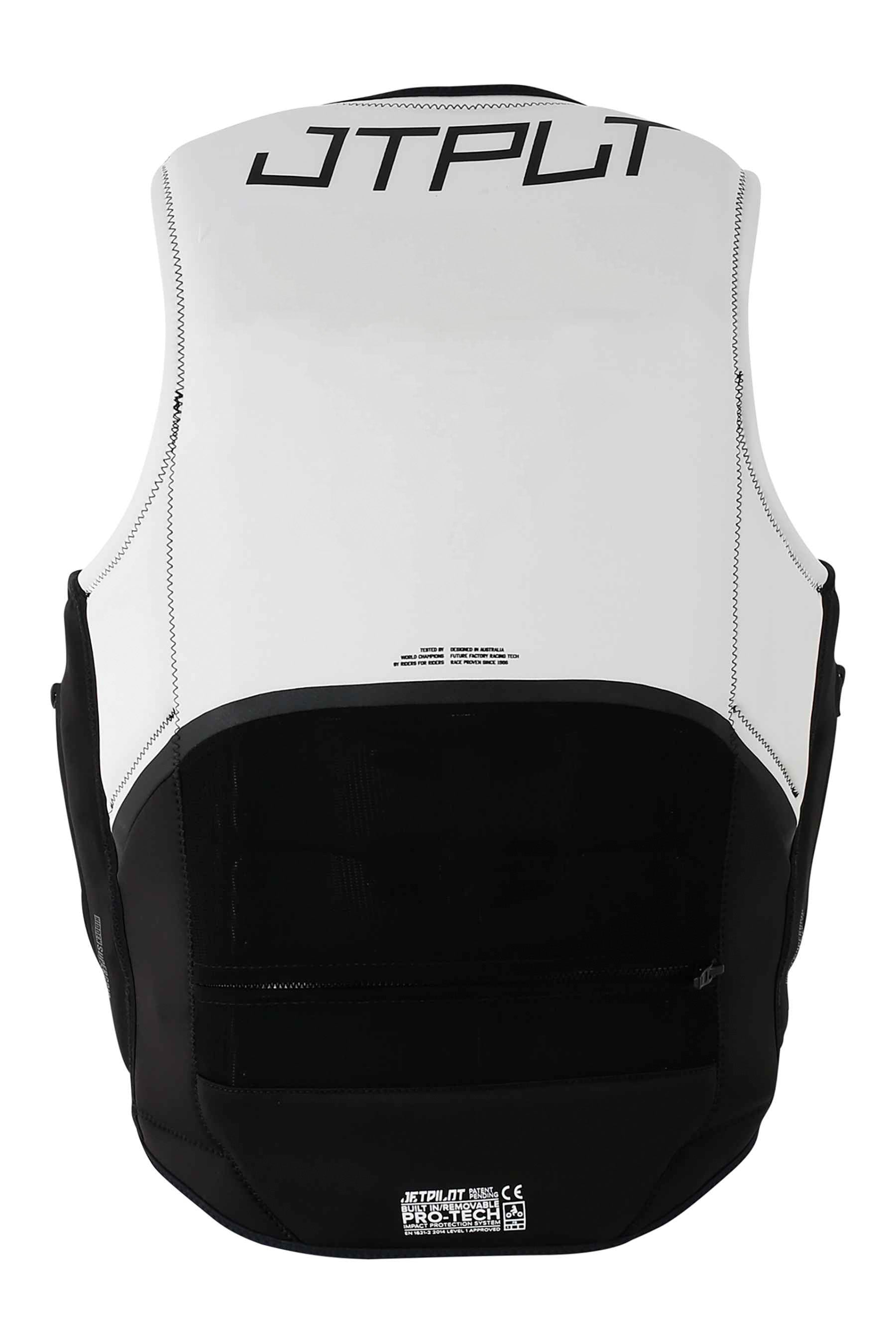


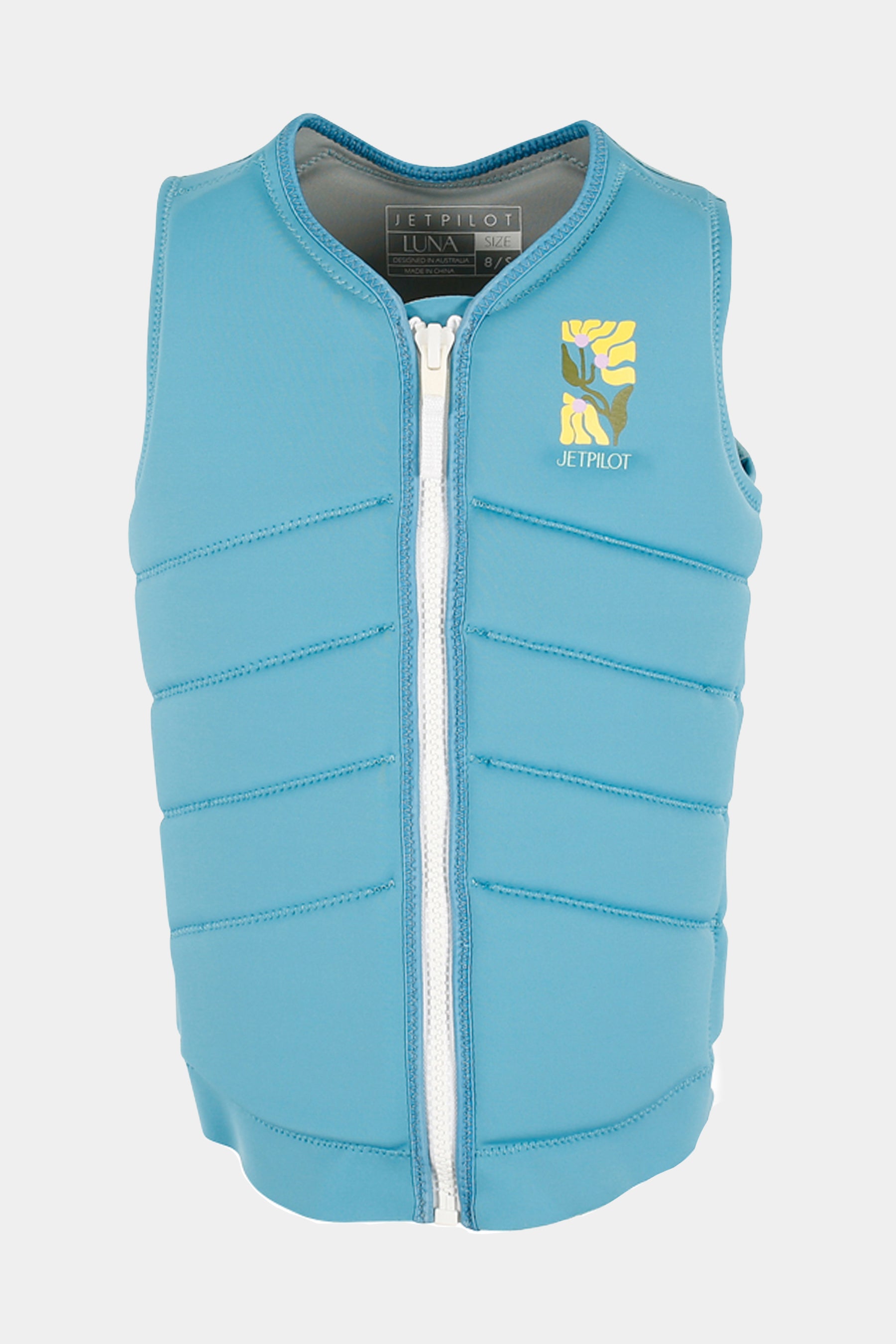
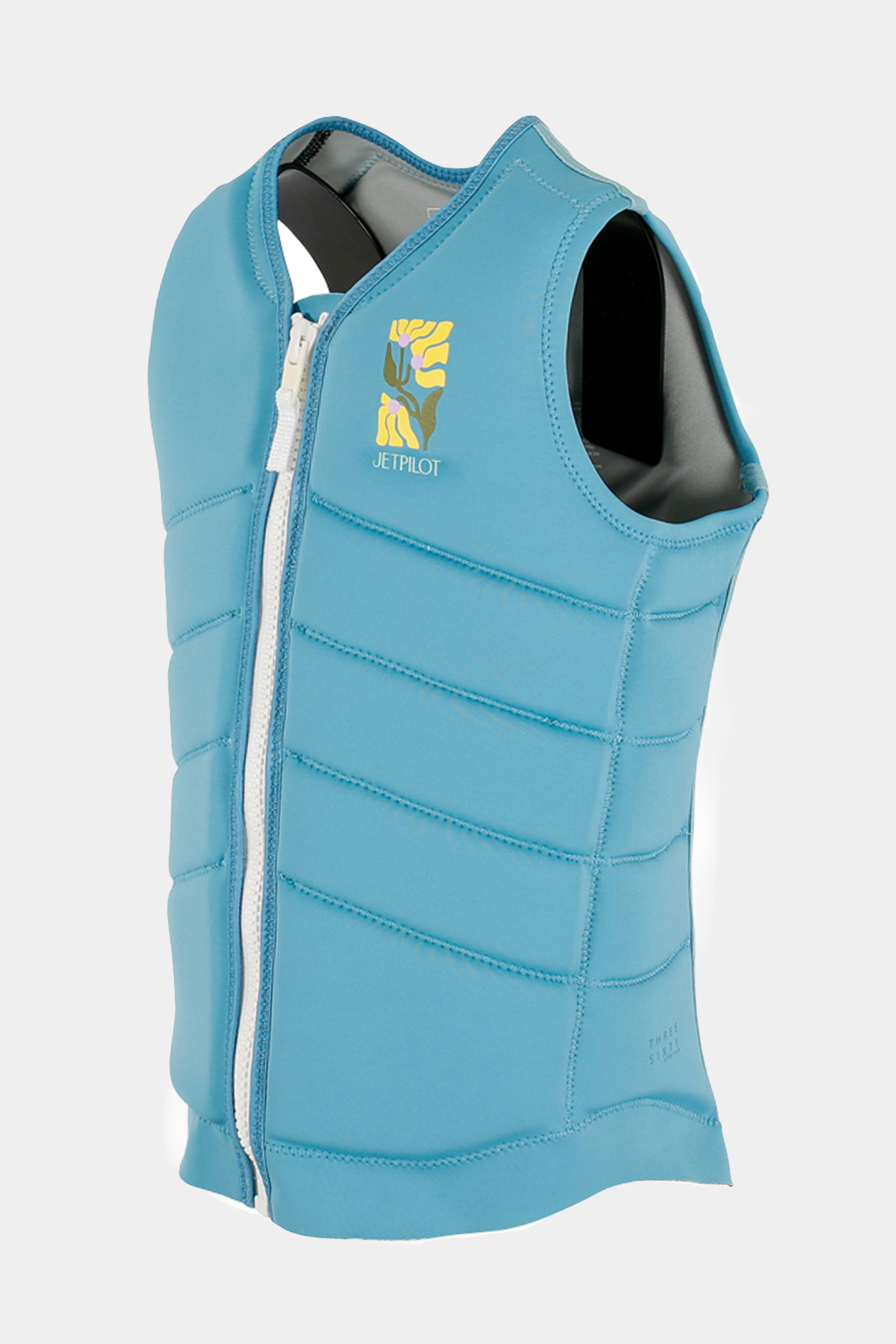


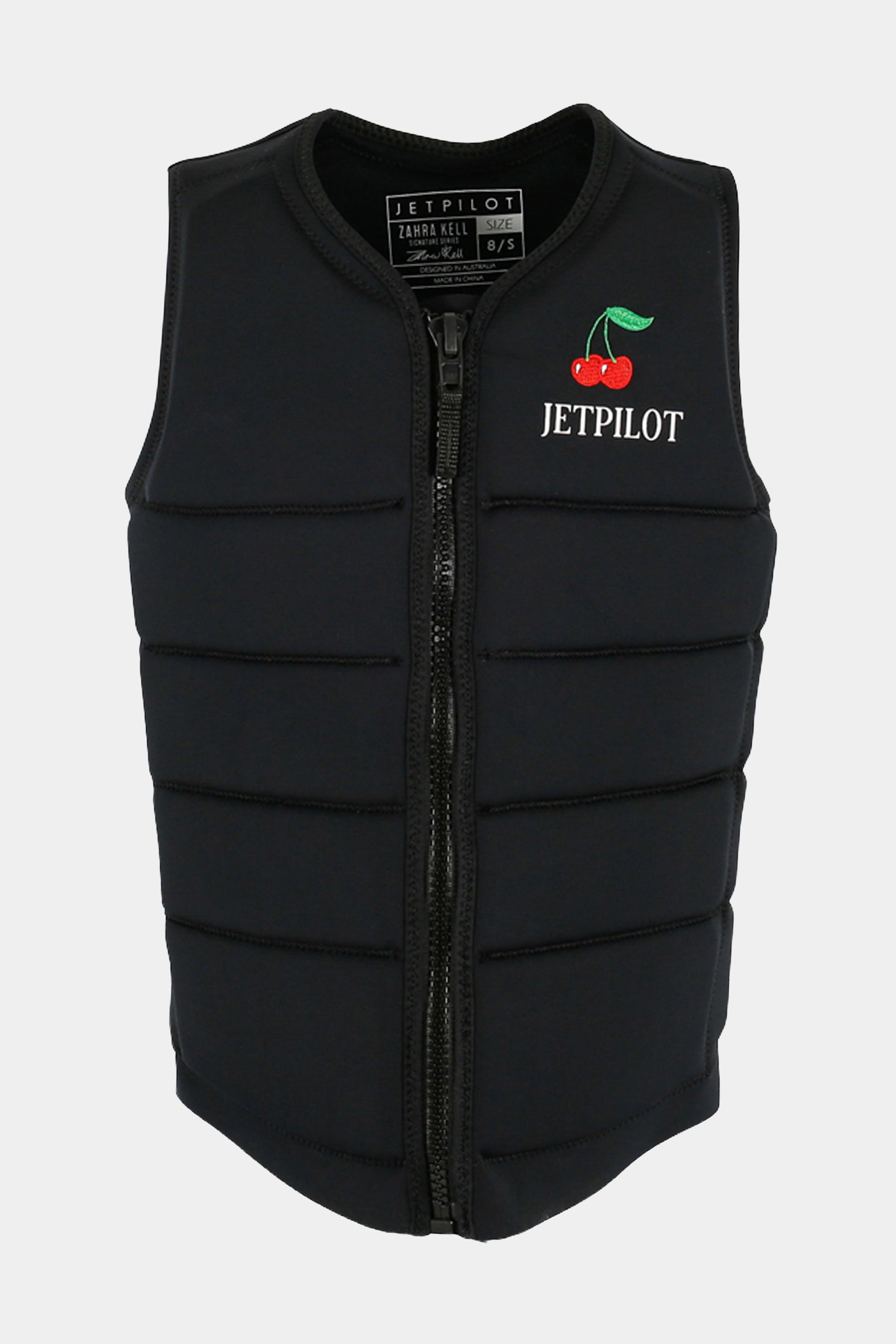
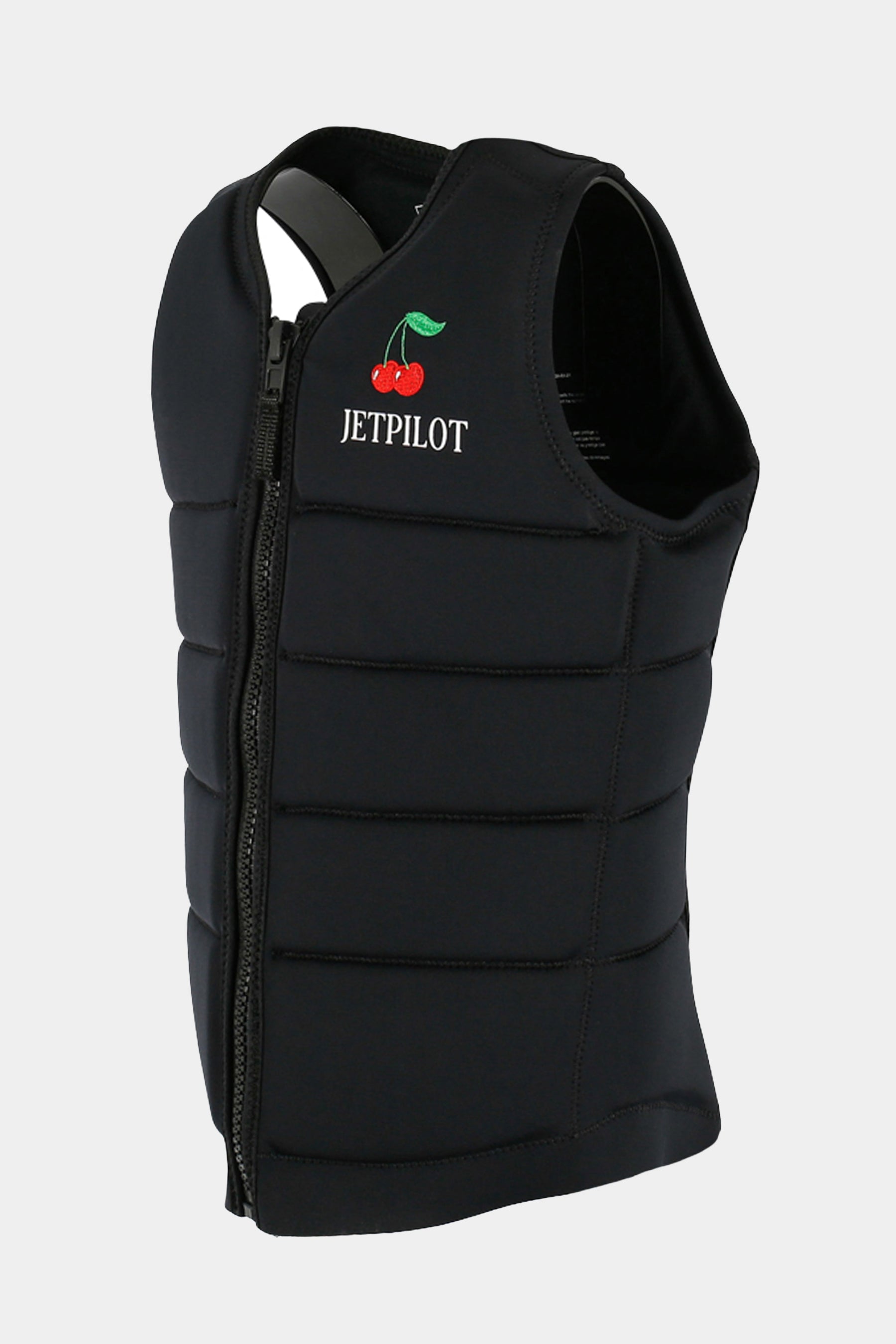
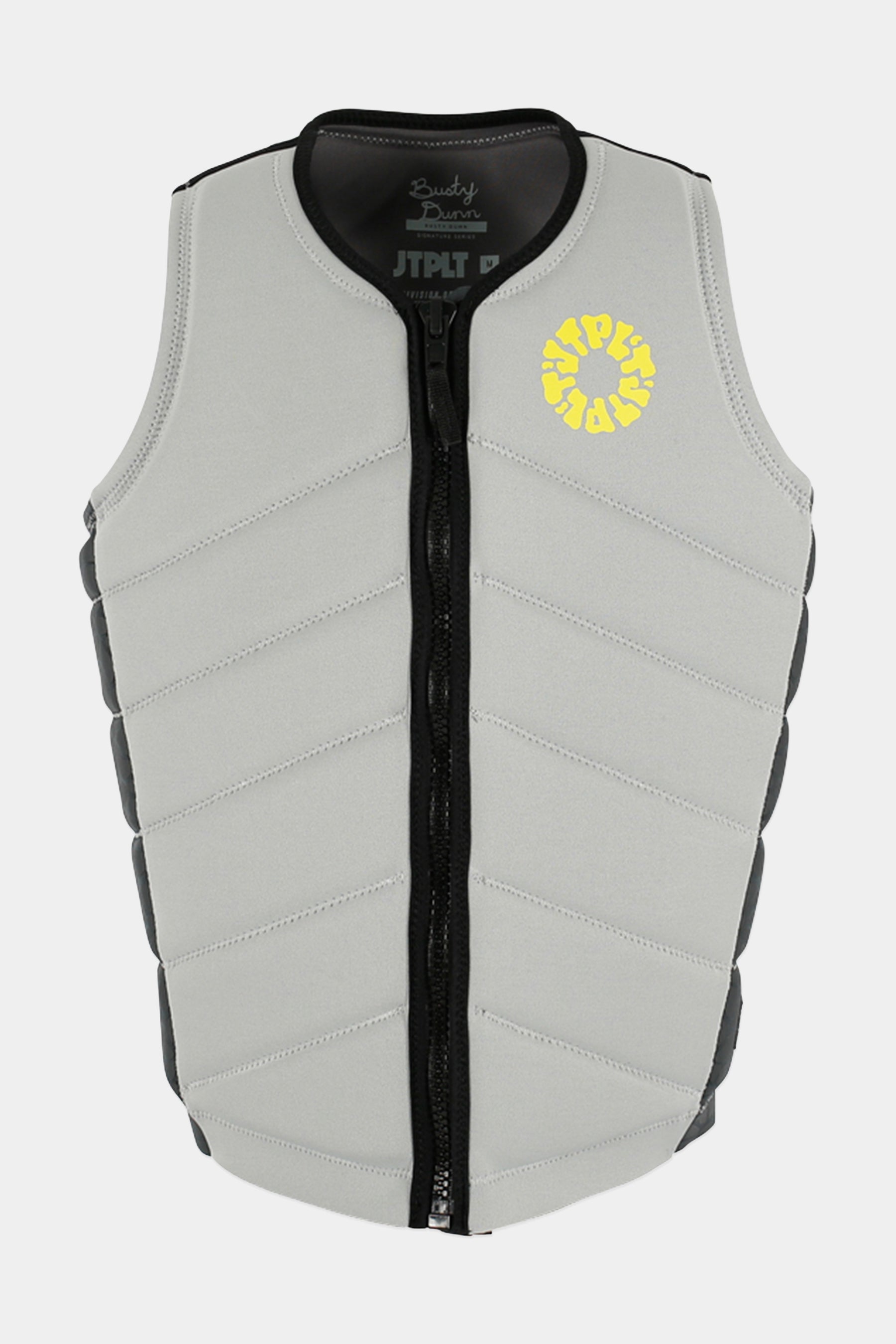
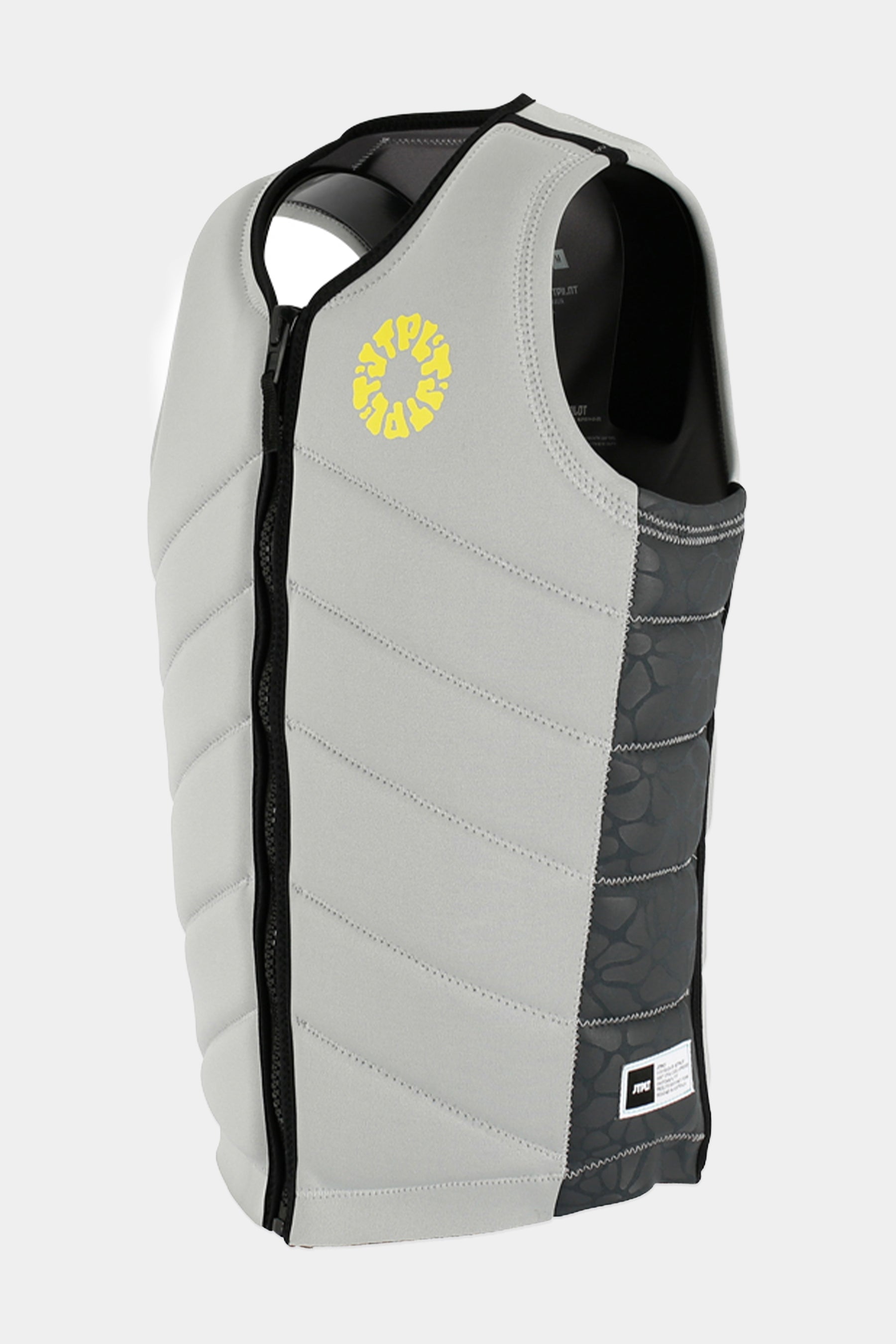
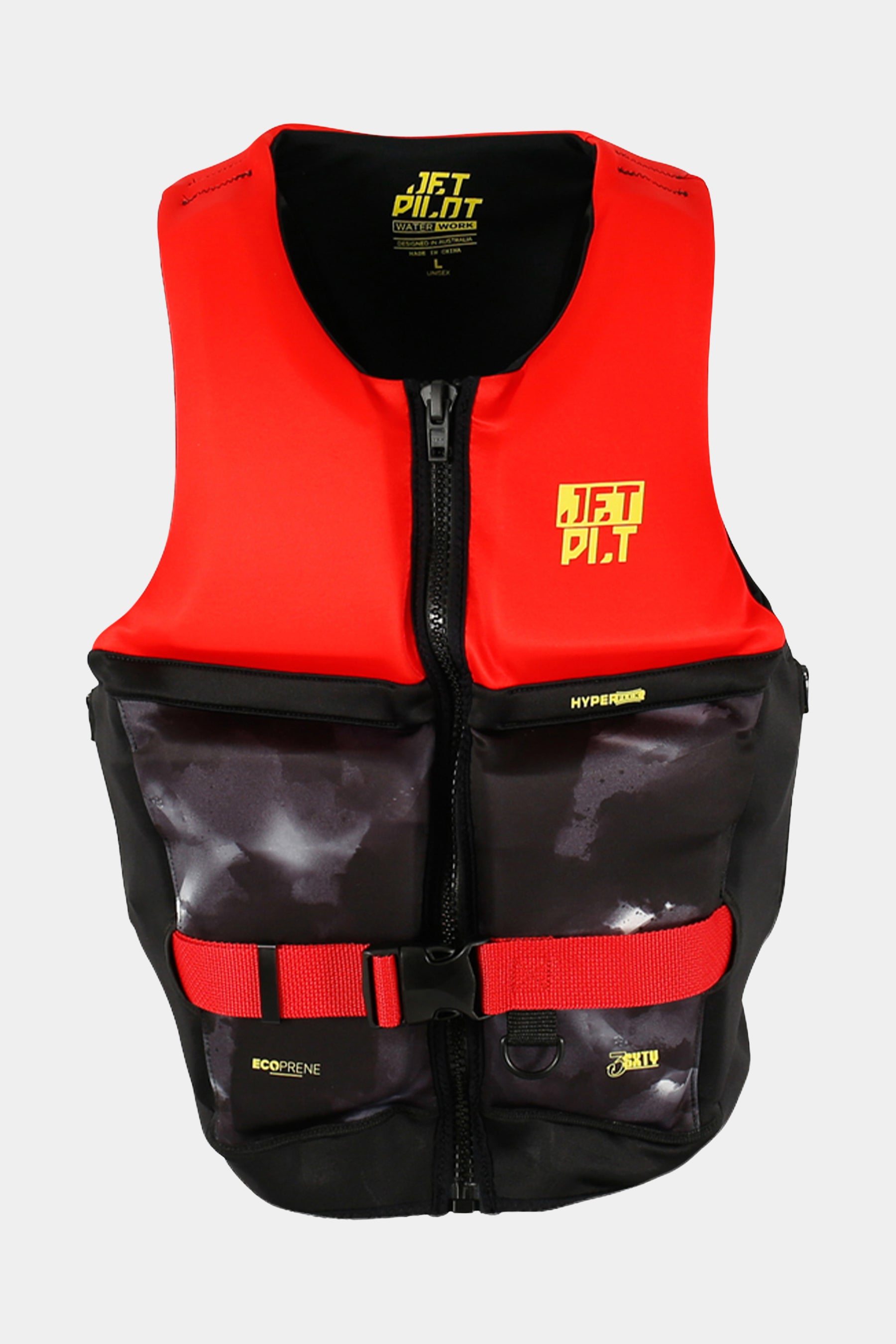
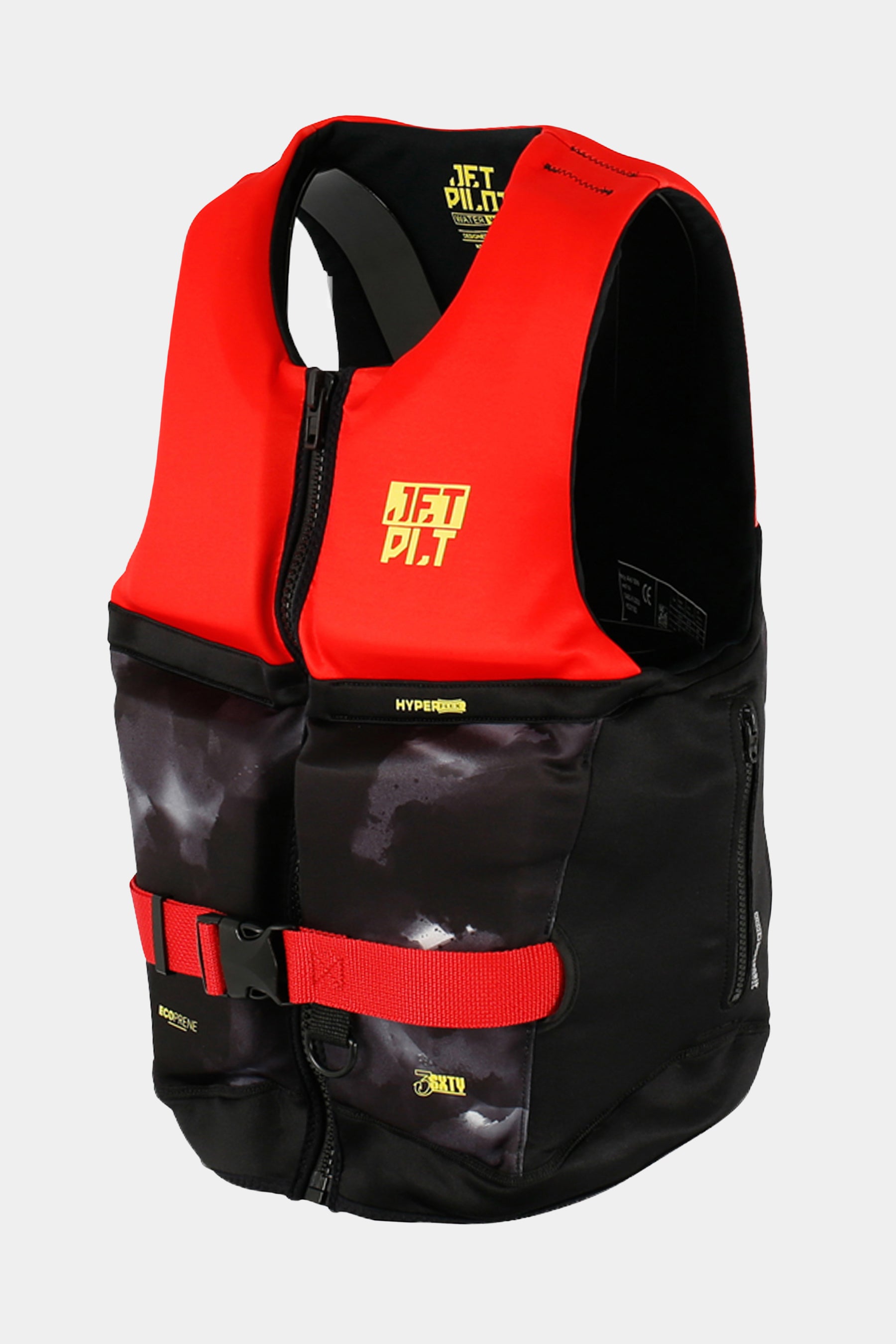


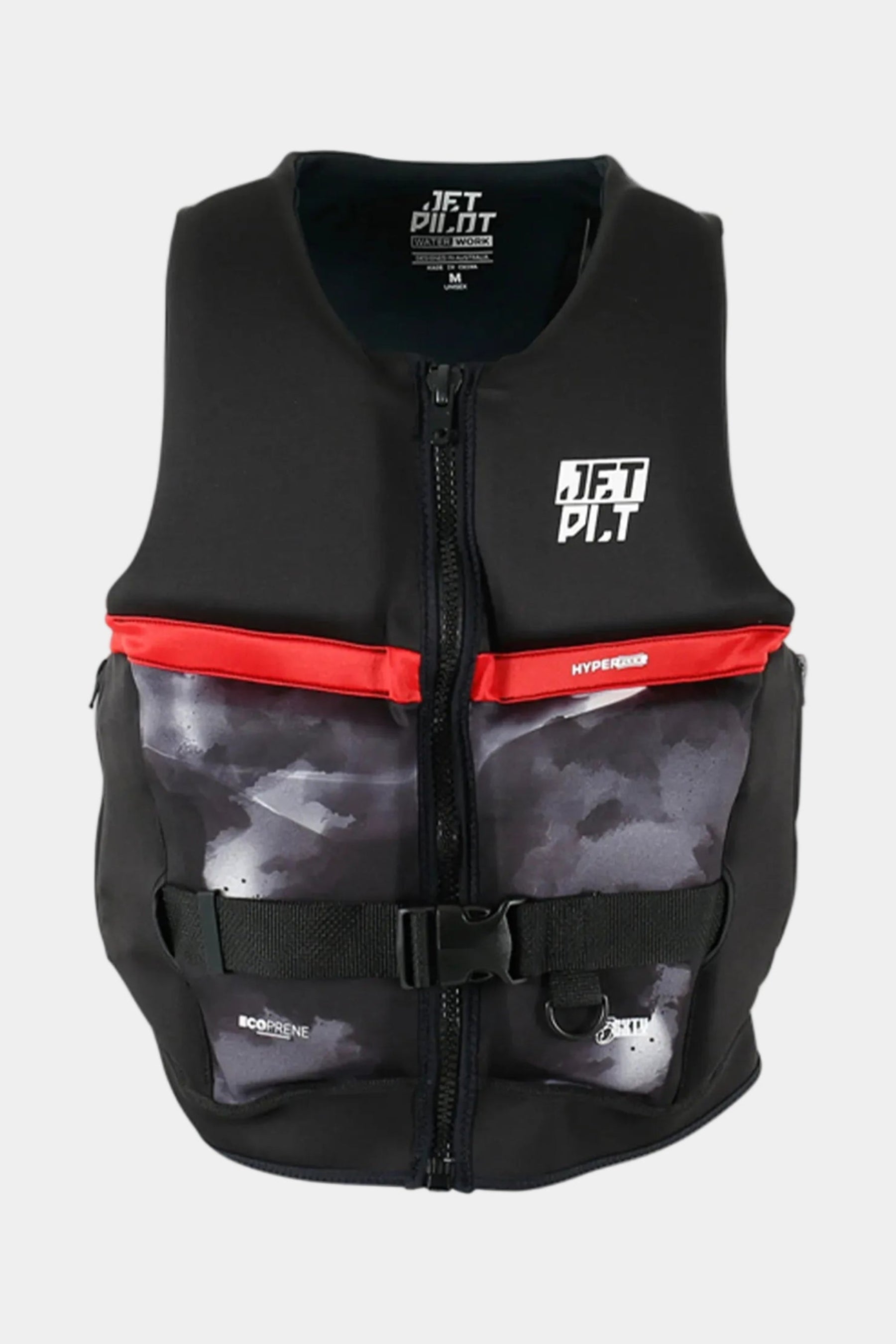
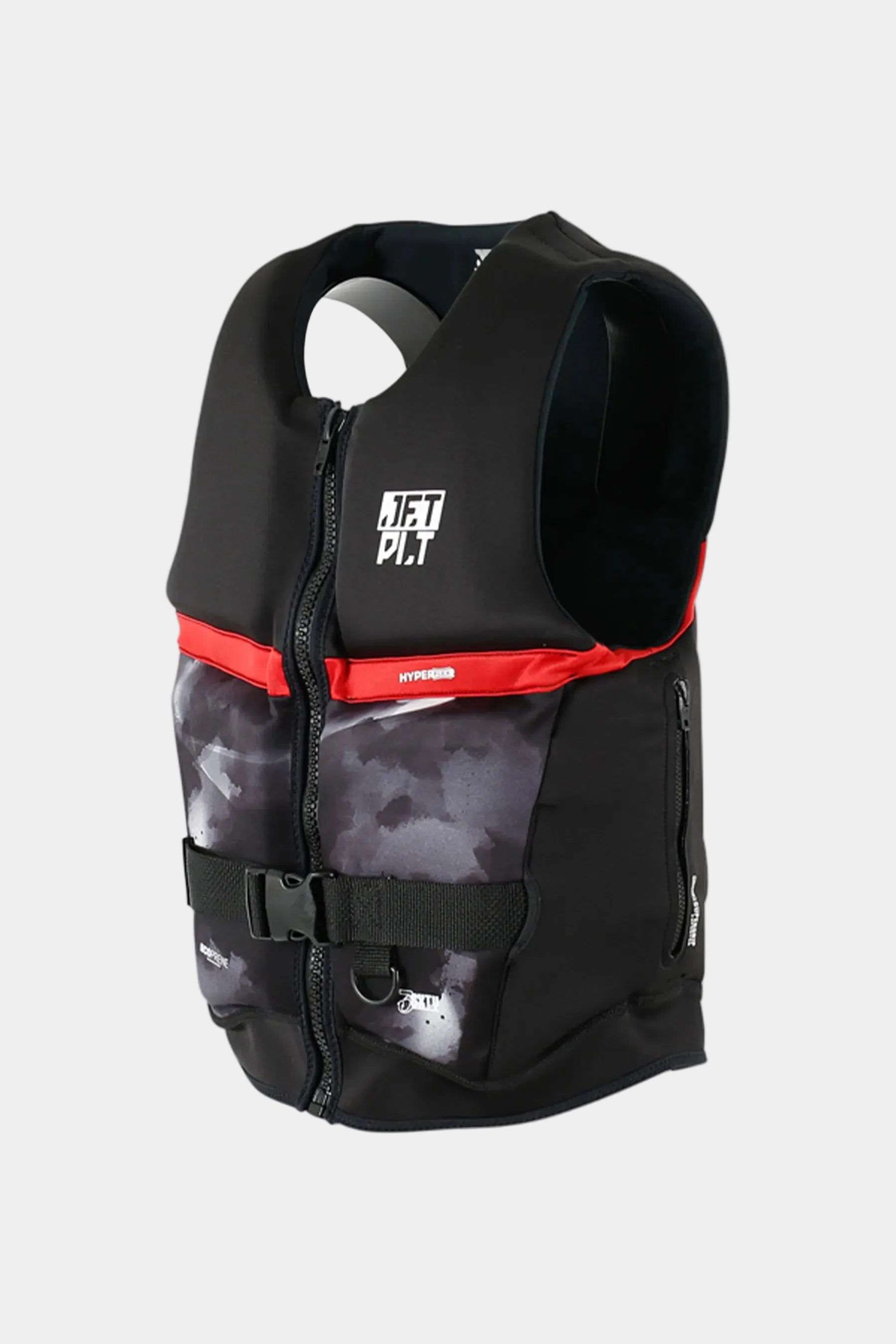


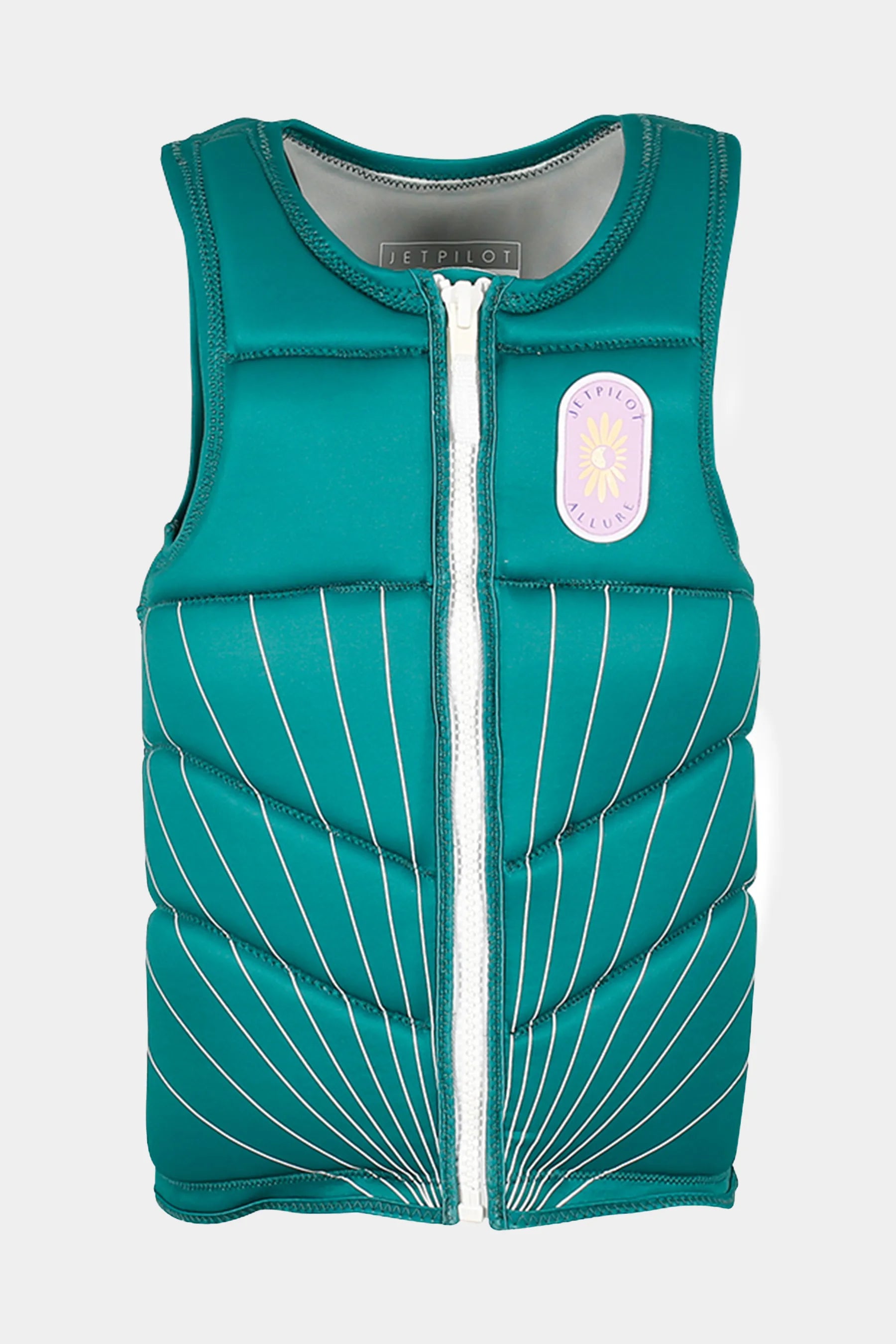
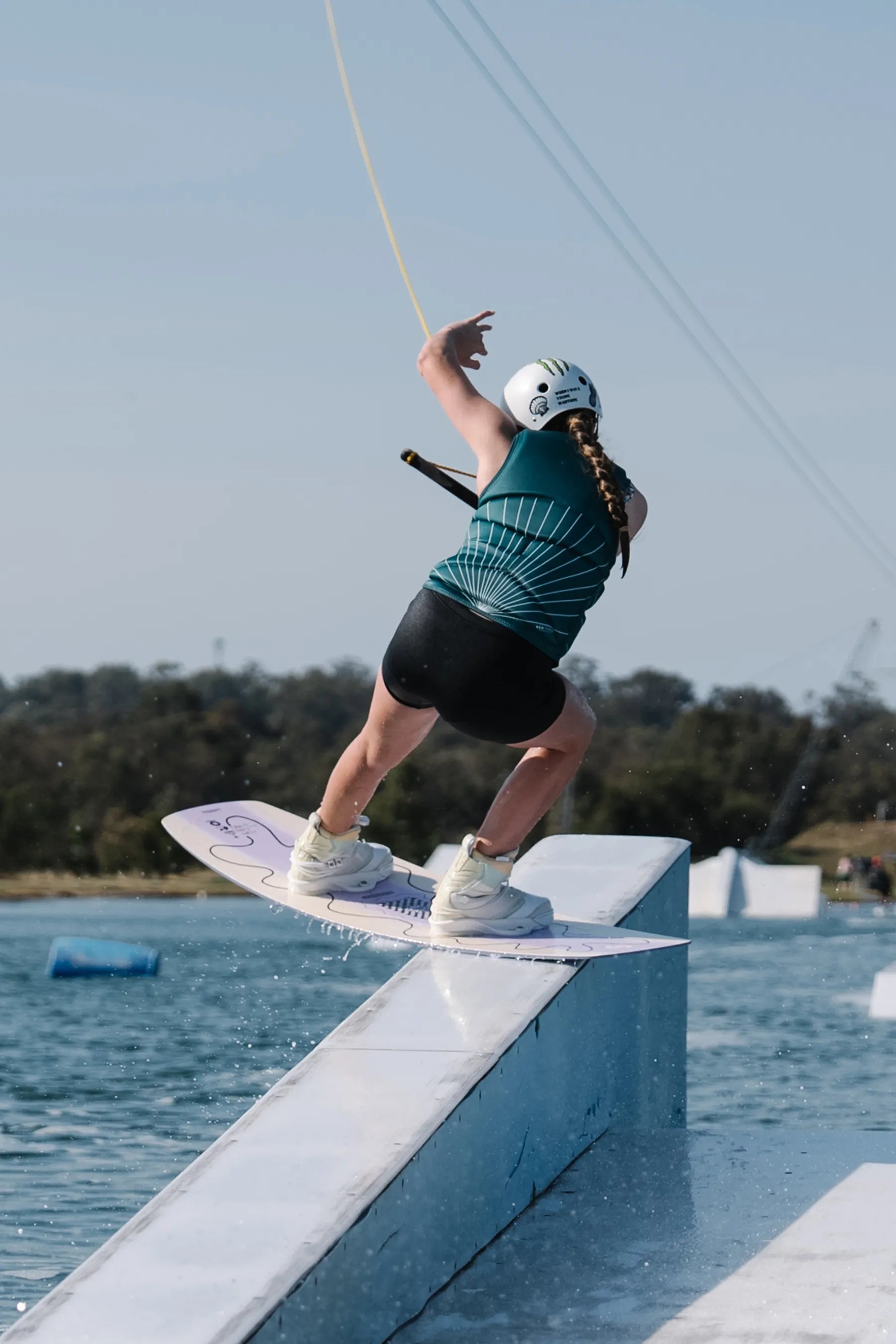
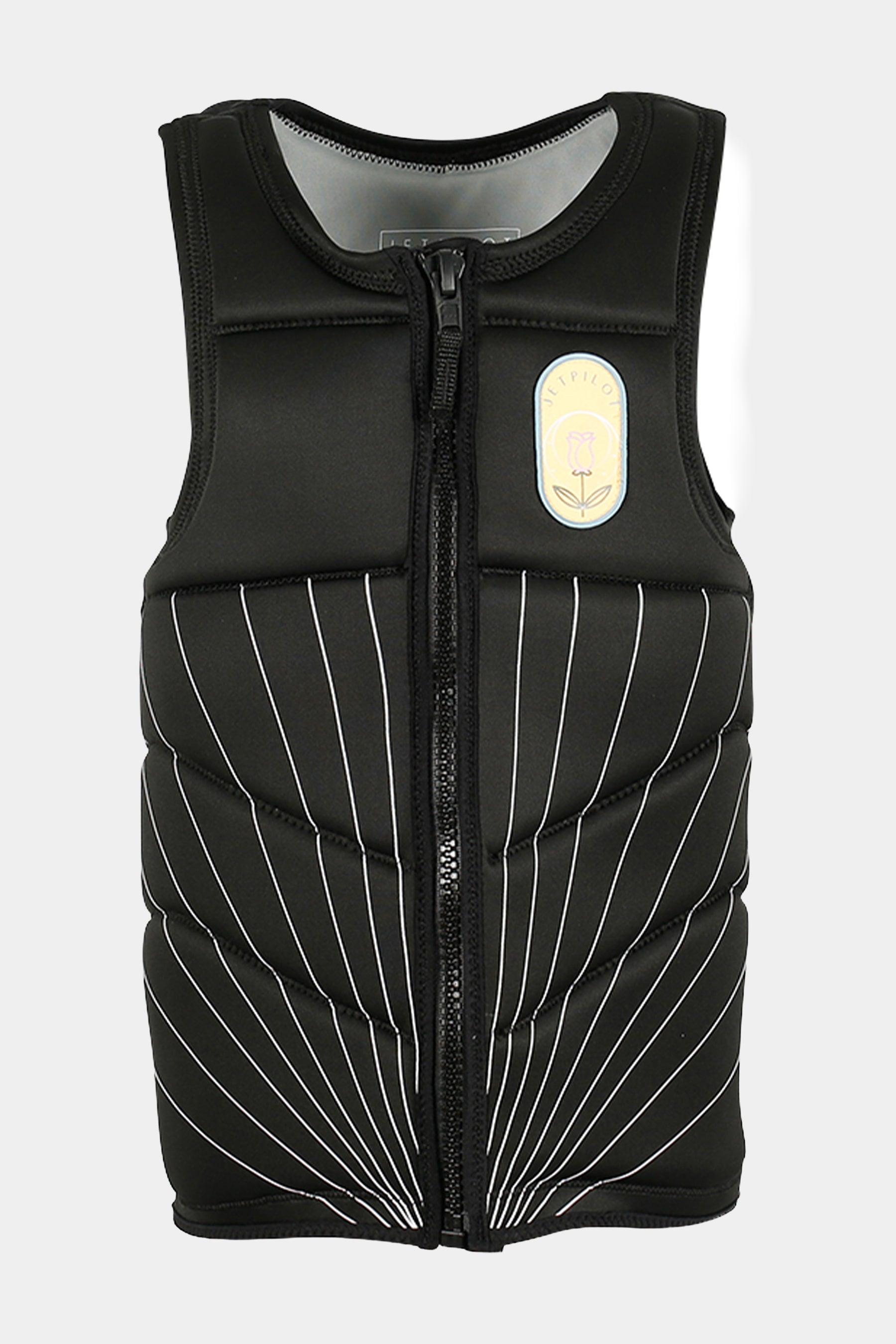
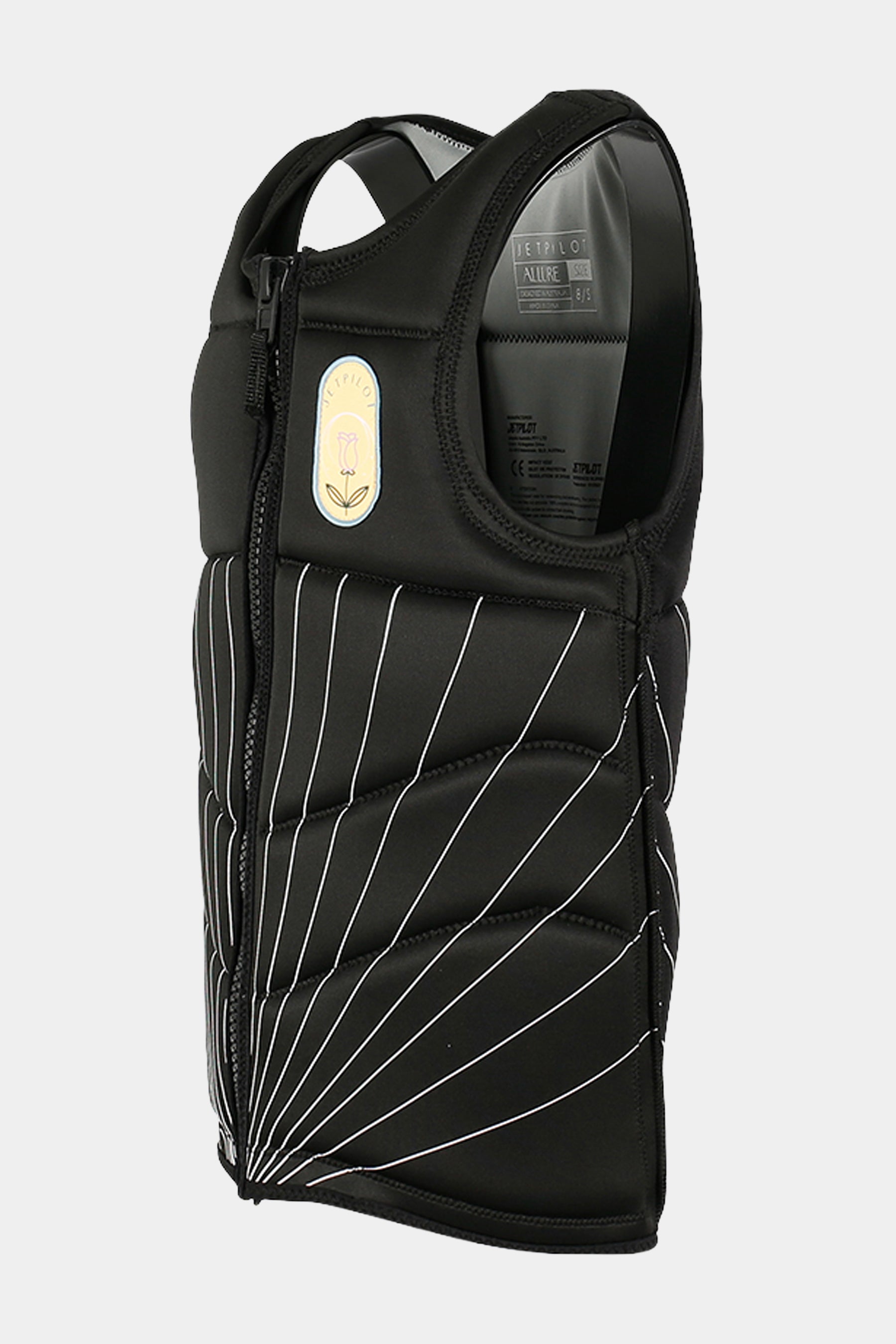


Jetpilot life jackets cover the entire active watersports family — from competition-grade jet ski vests engineered for sustained high-speed impact to all-round 50N buoyancy aids for wakeboard, SUP, kayak, and weekend cruising. Every adult vest is ISO-12402-5 certified (50N buoyancy aid), sized for stay-put performance, and available across men's, women's, and youth fits. The range spans the RX Vault Pro-Tech race line, the all-round X1 and Cause series, the Cause Youth and Cause Kids cuts, and the Cause Infant series for the youngest riders.
The full Jetpilot life jacket range
The lineup is built around use case, so you choose by sport rather than scrolling a generic life-jacket grid. RX Vault Pro-Tech is the race vest — reinforced impact zones, segmented buoyancy, EVA foam where impact is highest. X1 series covers all-round performance for jetski, wakeboard, and SUP. Cause series is front-entry, neoprene comfort for cruise, kayak, and recreational riding. Cause Youth and Cause Kids bring the same construction to under-50 kg riders. Every adult model in the range carries an ISO-12402-5 (50N buoyancy aid) label.
Why Jetpilot makes 50N buoyancy aids, not 100N life jackets
Jetpilot's range is purpose-built for active watersports, not offshore or open-sea use — which is why the entire adult lineup is 50N (ISO-12402-5). A 50N buoyancy aid helps a conscious swimmer stay afloat with maximum freedom of movement. That's exactly what jetski, wakeboard, SUP, and kayak require: full arm and shoulder mobility, low bulk, and just enough buoyancy to keep an active swimmer up. 100N life jackets are a different product category — they turn an unconscious wearer face-up, and they're required for offshore sailing, weak swimmers, and unsupervised use. They're also bulkier and restrict performance. If you need a 100N+ offshore life jacket, this range isn't the right fit; look at marine-specialist brands instead. The single exception in the Jetpilot range is the Cause Infant, which is ISO-12402-4 (100N) — infants under 30 kg require turn-the-face-up performance regardless of activity, so the regulation pushes that one model up a class.
Sizing: the deciding factor
Buoyancy aids are sized by chest measurement and body weight, not regular clothing size. Measure your chest at the widest point and compare to the size chart on each product page. A correctly fitted vest stays put when someone pulls upward on the shoulders — it should not ride above the chin. Full arm mobility must be preserved. Too loose: the vest rides up on impact, exposing the wearer's airway. Too tight: it restricts breathing and chest expansion. For children, check both weight class (kids life jackets) and the buckle pattern — under-50 kg youth vests use a crotch strap that the adult patterns don't.
Materials and care
Premium Jetpilot vests use neoprene for comfort and durability. Ecoprene is the environmentally-conscious neoprene variant with equivalent performance and reduced production footprint. EVA foam appears in the Pro-Tech race line where impact absorption is the priority. Rinse with fresh water after every use, dry flat in shade (not in direct sun and not in a tumble dryer — heat degrades buoyancy foam). Inspect the buckles, stitching, and ISO label every season; a vest with cracked foam, frayed straps, or an unreadable label is no longer certified, regardless of age.
Frequently asked questions
Which Jetpilot life jacket is best for jet ski?
For jet ski performance, a 50N vest with reinforced impact zones is the standard — RX Vault Pro-Tech and the X1 series are the canonical picks. The 50N rating preserves mobility for stand-up riding while still providing flotation for active swimmers.
What's the difference between a buoyancy aid and a life jacket?
A buoyancy aid (50N, ISO-12402-5) helps a conscious wearer stay afloat with full mobility. A life jacket (100N+, ISO-12402-4 and above) turns an unconscious wearer face-up. Jetpilot adult vests are 50N buoyancy aids — designed for jetski, wakeboard, SUP, kayak. For offshore sailing or any scenario requiring face-up turning of an unconscious wearer, you need a different product category.
Are Jetpilot vests CE / ISO certified?
Yes — every adult Jetpilot vest is certified ISO-12402-5 (50N buoyancy aid). The Cause Infant is ISO-12402-4 (100N) per infant safety regulation. The label is sewn inside each vest and lists the certification class plus weight class. Both standards are recognised across the EU.
How long does a buoyancy aid last?
A well-maintained Jetpilot vest typically lasts 5–7 years of regular use. Replace earlier if the foam shows cracks or compression marks, the straps are frayed, the buckles fail, or the ISO label becomes unreadable. Storage matters: heat, sun exposure, and chemical contact (sunscreen, fuel) all shorten a vest's life.
Can the same vest be used for jet ski and wakeboard?
Yes — the X1 and Cause series are designed for cross-sport use. The Pro-Tech race line is jetski-specific (segmented buoyancy is optimised for high-speed impact). Wakeboard-specific cuts have a shorter front panel for trick mobility — see the dedicated wakeboard life jackets sub-range.