

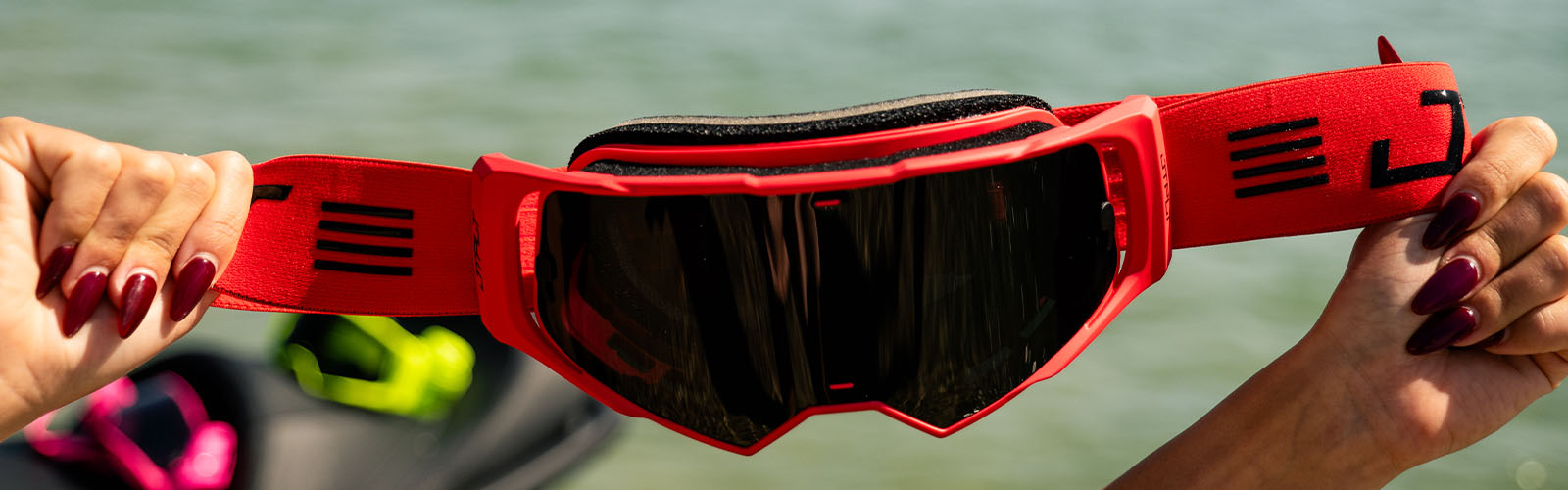
Jet Ski Goggles
Jetpilot jet ski goggles — Vault Vision Race for competition, OTG and OTG RX Vault for prescription wearers, Jp H2O floating goggles for overboard-loss prevention, Shield Sunnie sunglass-style for casual rides. Polarised reduces water-surface glare. Sunglasses don't seal at speed.
Filters
8 products
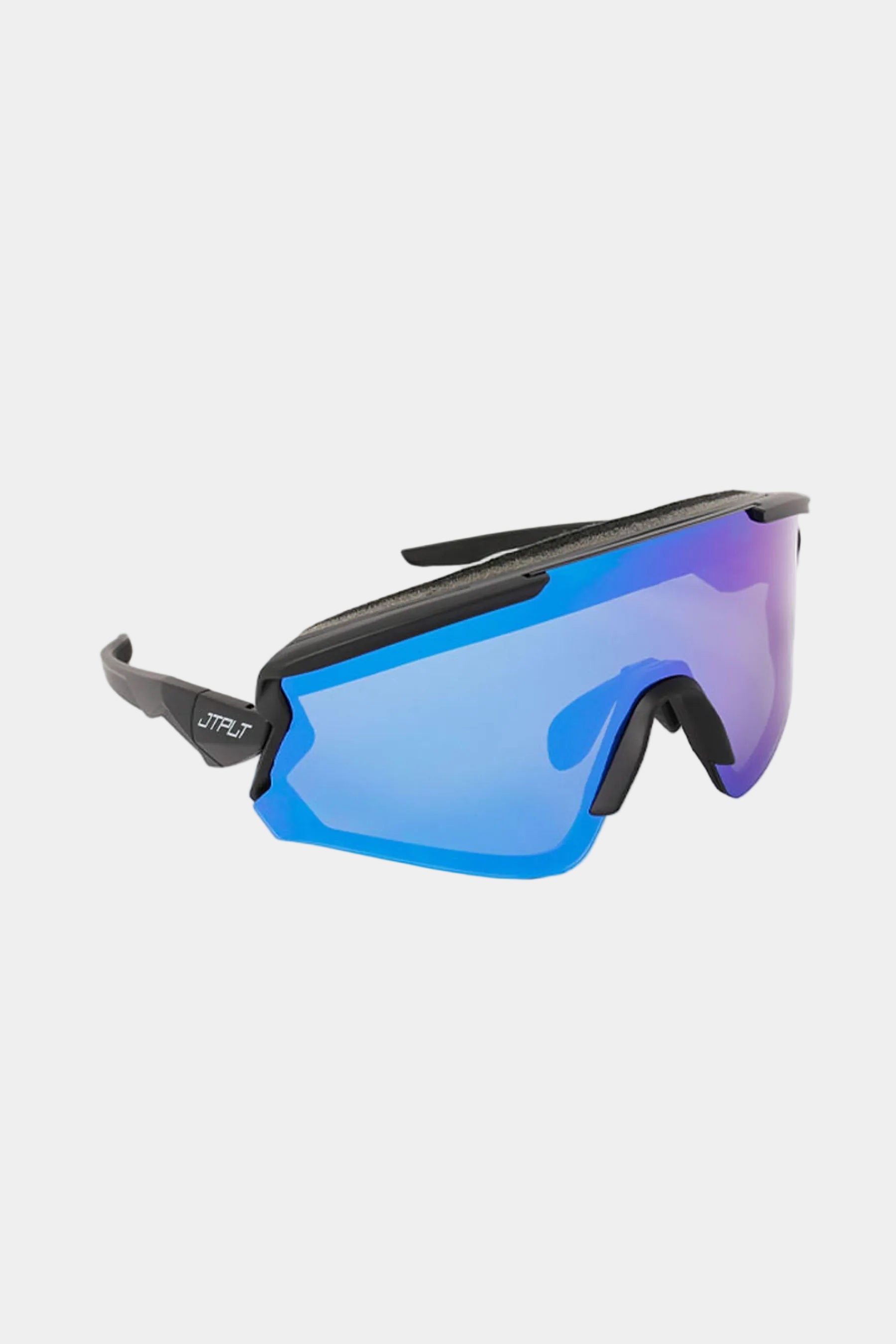
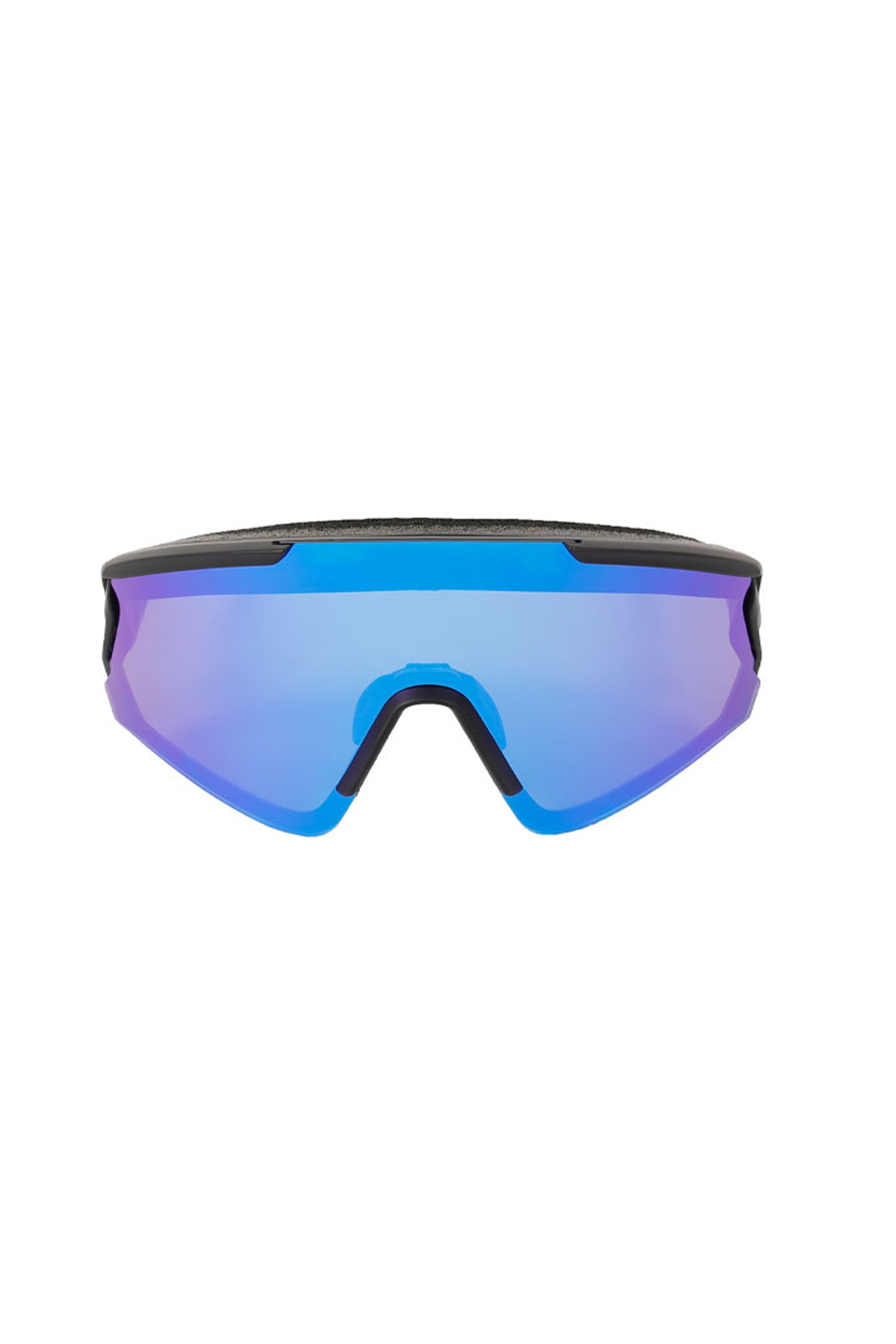
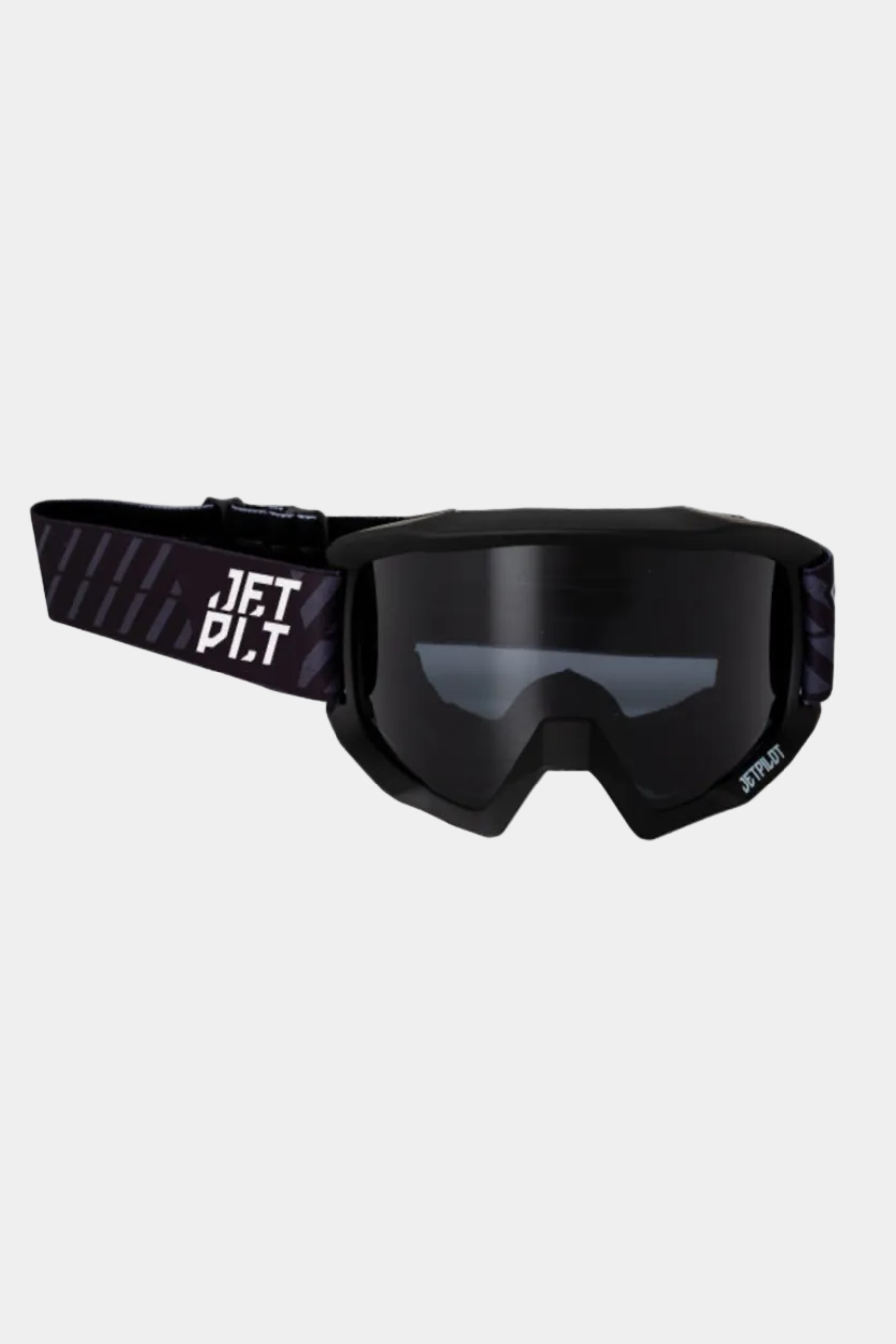
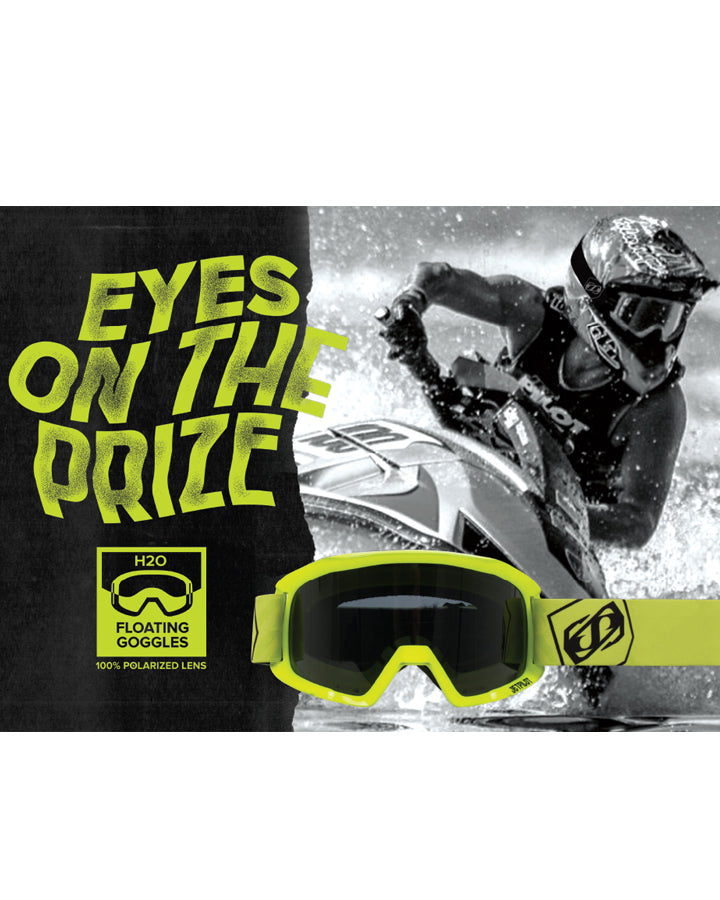
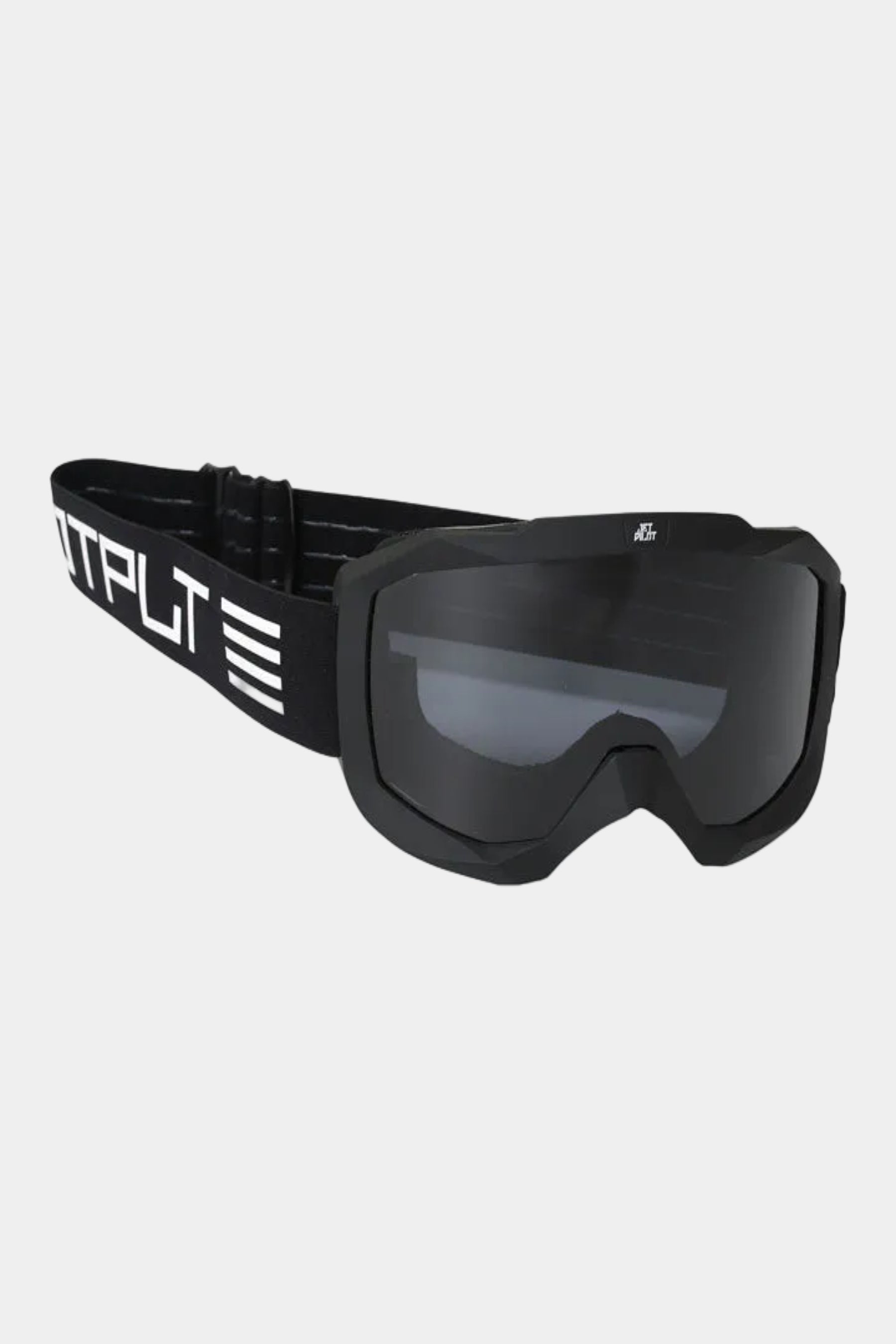


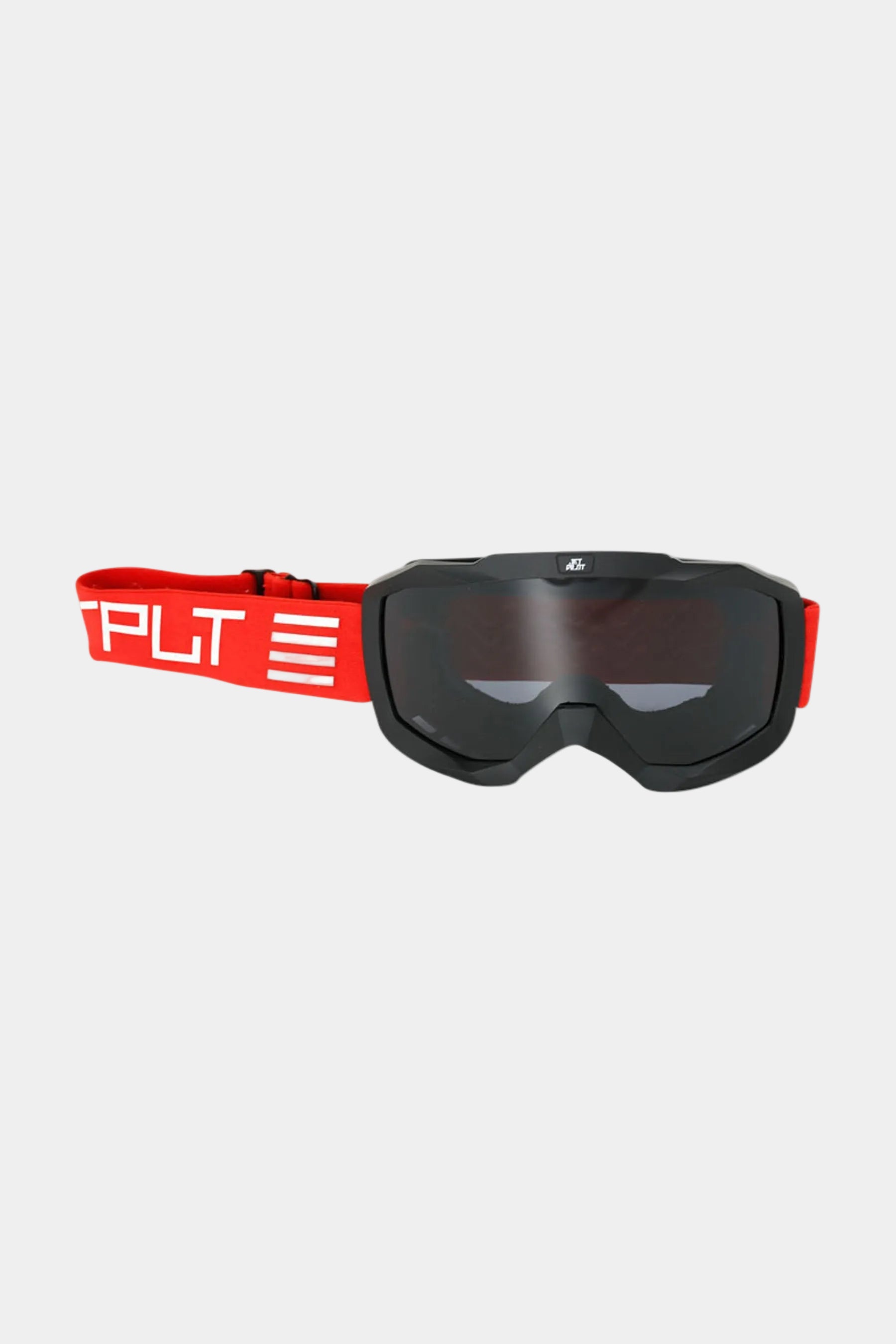
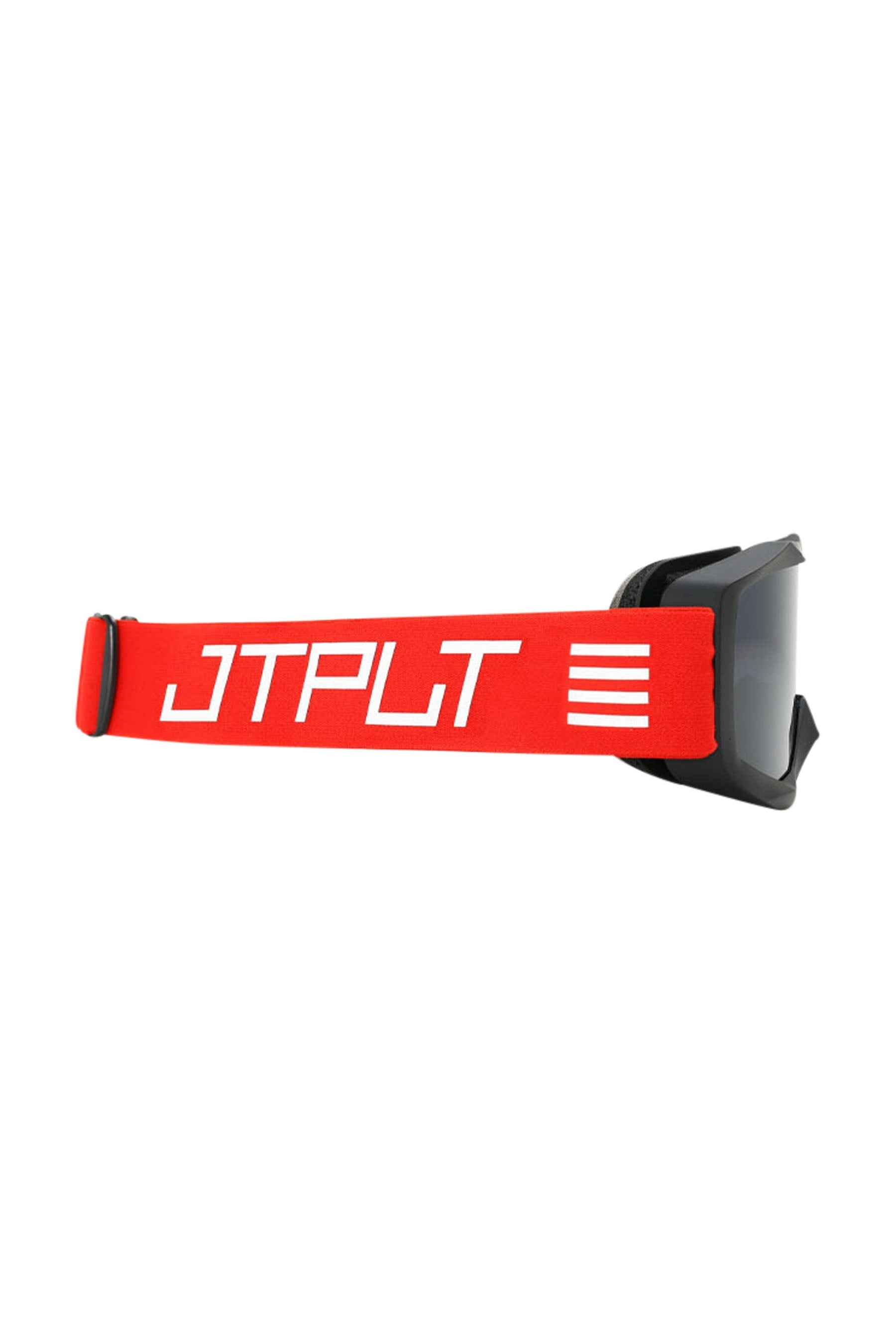


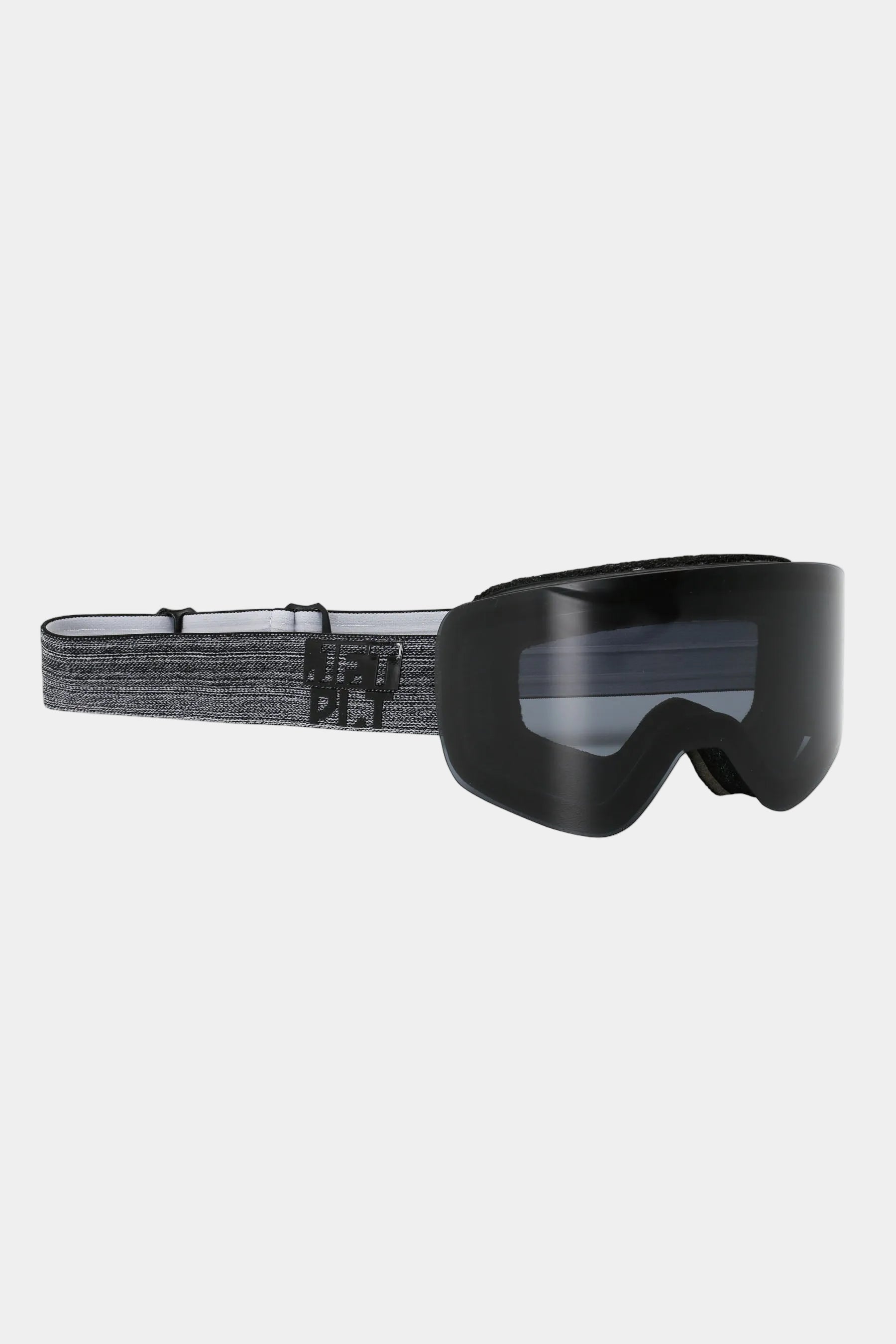
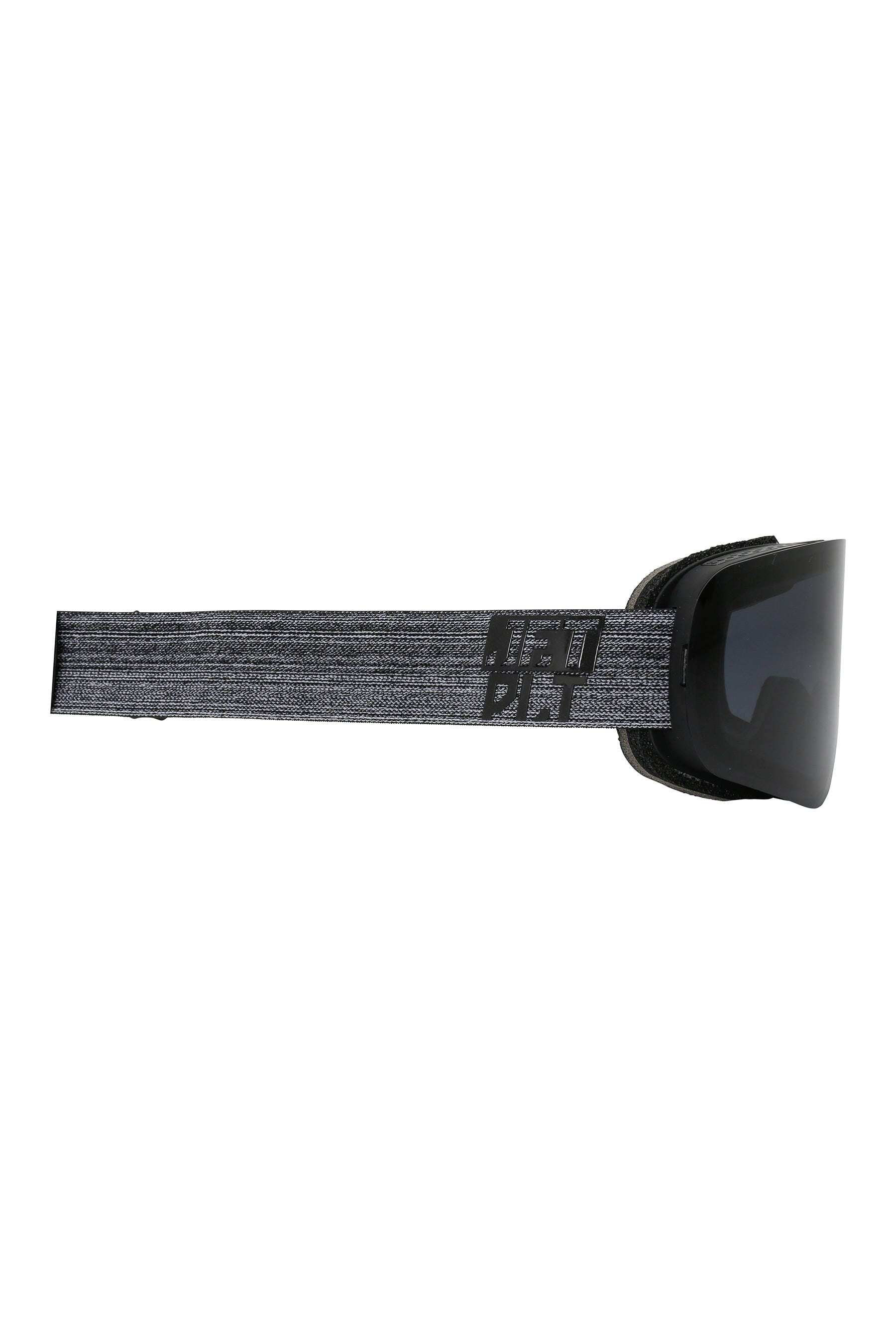
Jetpilot jet ski goggles protect your eyes from spray, salt, sun glare, and high-speed impact. The range covers Vault Vision Race for competition use, OTG (Over The Glasses) for prescription wearers, RX Vault Goggle for racing with prescription, Jp H2O Floating Goggles for safety against losing them overboard, and the Shield Sunnie sunglass-style for casual rides. All hydrodynamic-shaped to shed spray at speed.
Goggles vs sunglasses — which for jet ski?
Jet ski goggles seal against the face — essential at speed because spray and wind force water past the frame of regular sunglasses, blinding the rider mid-turn. Sunglasses with retainer cord work for low-speed cruising or boat work where face seal isn't critical. The hybrid Jetpilot Shield Sunnie combines sunglasses styling with a partial seal for moderate-speed cruising. For PWC racing, sustained planing, or any wave-jumping use, full goggles (Vault Vision Race or OTG) are mandatory. Polarised lenses cut glare off the water surface — critical for reading wave conditions before contact.
Floating vs sinking — does it matter?
Yes. Jp H2O Floating Goggles are buoyant — if knocked off in a fall, they stay on the surface for retrieval. Standard goggles sink in seconds. For a jetski day, floating models prevent the lost-in-the-water cost of constantly replacing eyewear. Trade-off: floating frames are slightly bulkier; high-performance racers often prefer the lower-profile Vault Vision Race (sinks) plus a head-strap retainer for security.
Prescription wearers — OTG explained
OTG (Over The Glasses) goggles fit over standard prescription glasses. Jetpilot's OTG Goggle is the budget option, the OTG RX Vault is racing-grade with the same tolerance for under-frame glasses. The OTG range fits most standard frame widths — check the specifications for max frame width compatible with your prescription glasses. For high-prescription users, dedicated prescription-insert goggles (sold separately by optometrists) are a better long-term solution than OTG.
Frequently asked questions
Will fog be a problem?
The Vault Vision Race lens has a anti-fog coating; OTG models depend on airflow under the frame for fog management. To prevent fogging: rinse goggles in salt water before first wear (the salt residue acts as a temporary anti-fog), don't wipe lenses with cloth that's been in your pocket, and let goggles air-dry between sessions rather than putting them away wet.
Polarised or non-polarised?
Polarised reduces water-surface glare — better for reading wave shape and depth before impact. Non-polarised is brighter overall and can sometimes be safer in low-light conditions. For all daytime jet ski and wakeboard use, polarised is the better choice unless you're racing in deeply overcast conditions where every photon helps.
How tight should goggles fit?
Snug enough to seal at speed but not so tight they leave deep marks on the face after a session. Check by holding the goggles to the face without the strap — they should stay on through head-shake from a slight suction seal. Pull the strap snug but not crushing; a too-tight strap distorts the frame and breaks the lens seal.
Can I wear sunglasses inside a helmet?
Some sunglass styles fit inside the Vault Helmet — the helmet has a goggle-channel above the brow that accepts most low-profile frames including the Shield Sunnie. For prescription users, OTG over prescription glasses is more reliable than fitting sunglasses inside. Test the combination on land before riding.