


Jet Ski Gloves
Jetpilot Vault gloves — Heat Seeker (2mm neoprene-lined for cold water), Race (high-grip unlined for sustained throttle), and Airlite (mesh-back for warm water comfort). Cycling and motorcycle gloves don't drain or grip wet — buy watersport-specific.
Filters
6 products
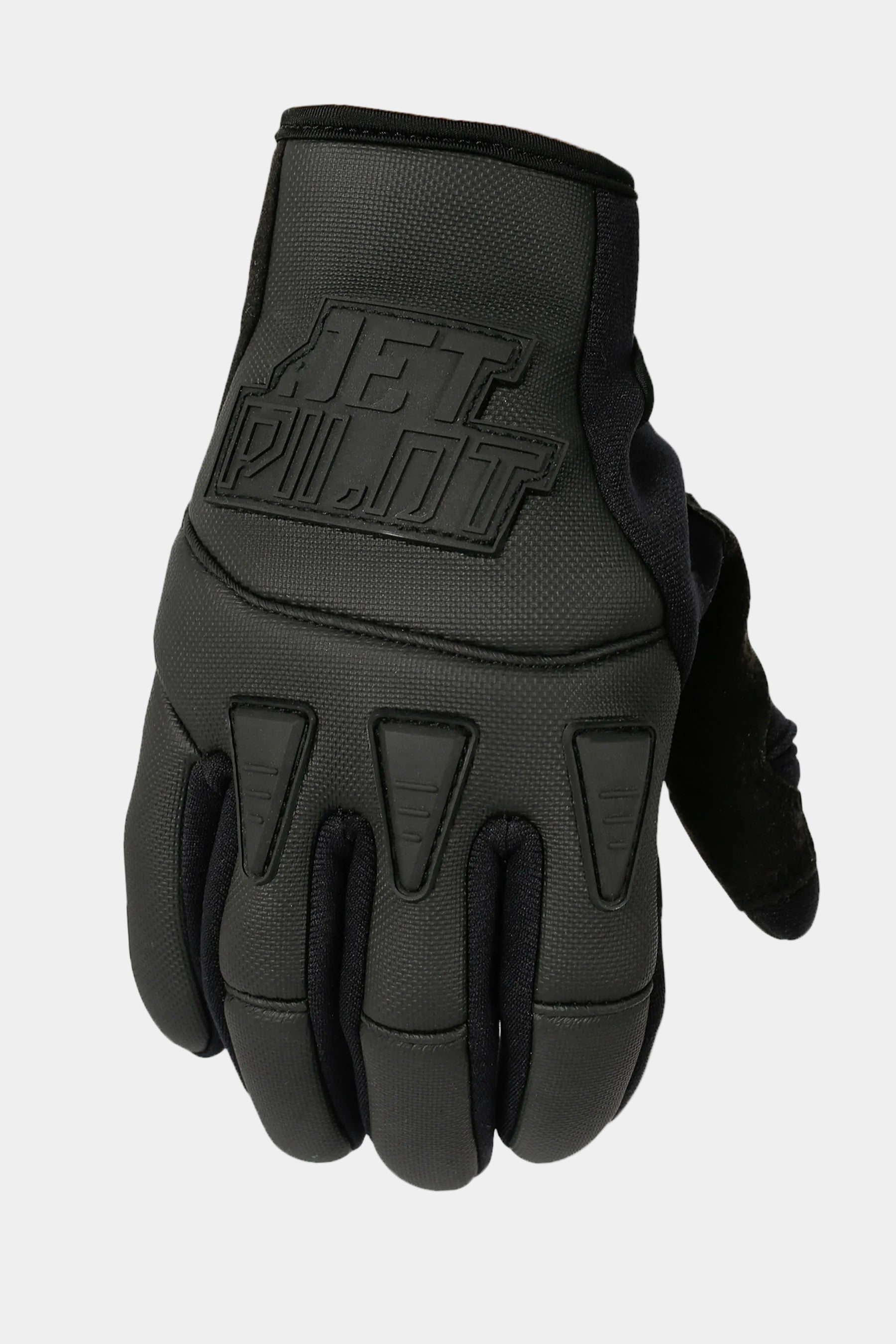
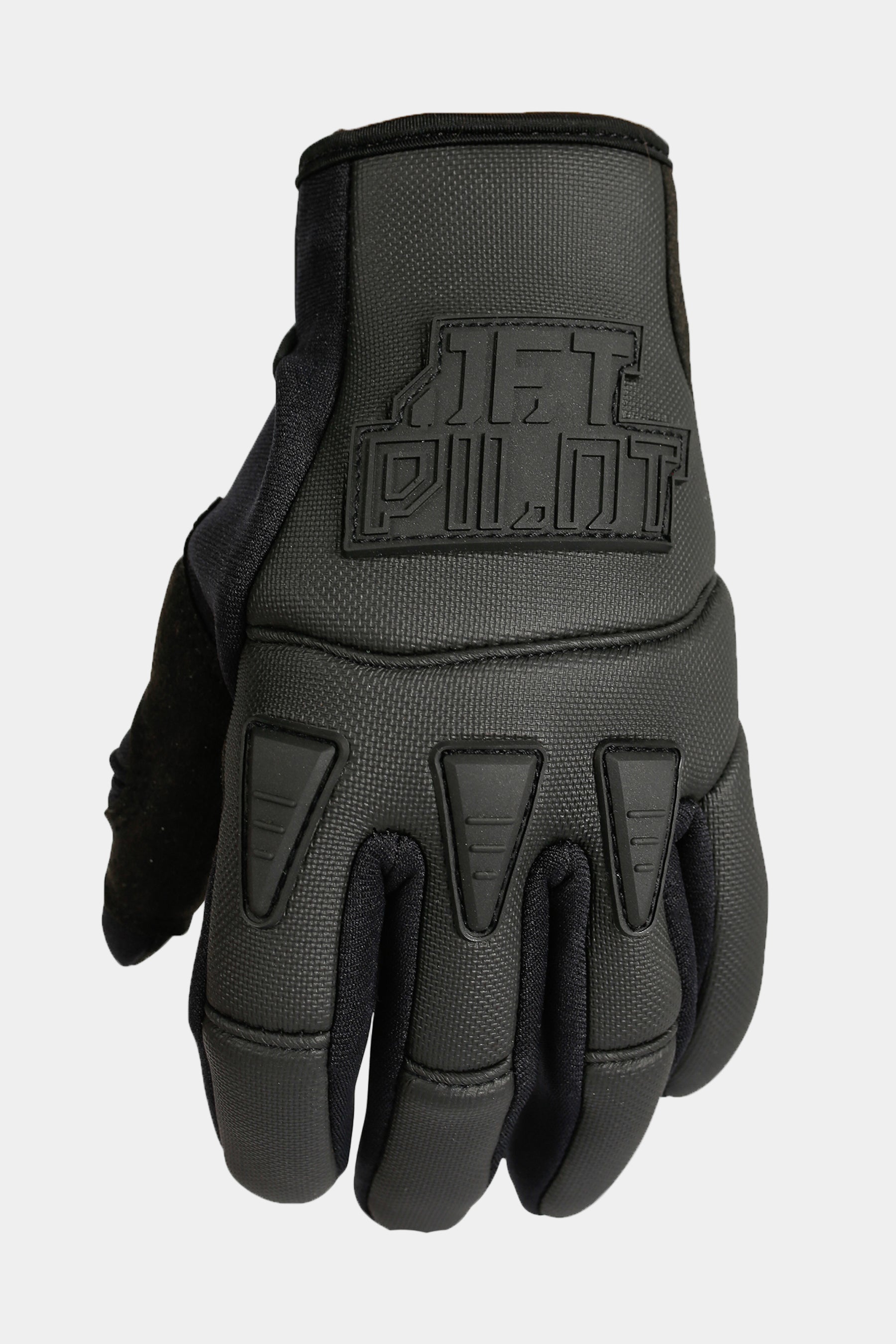


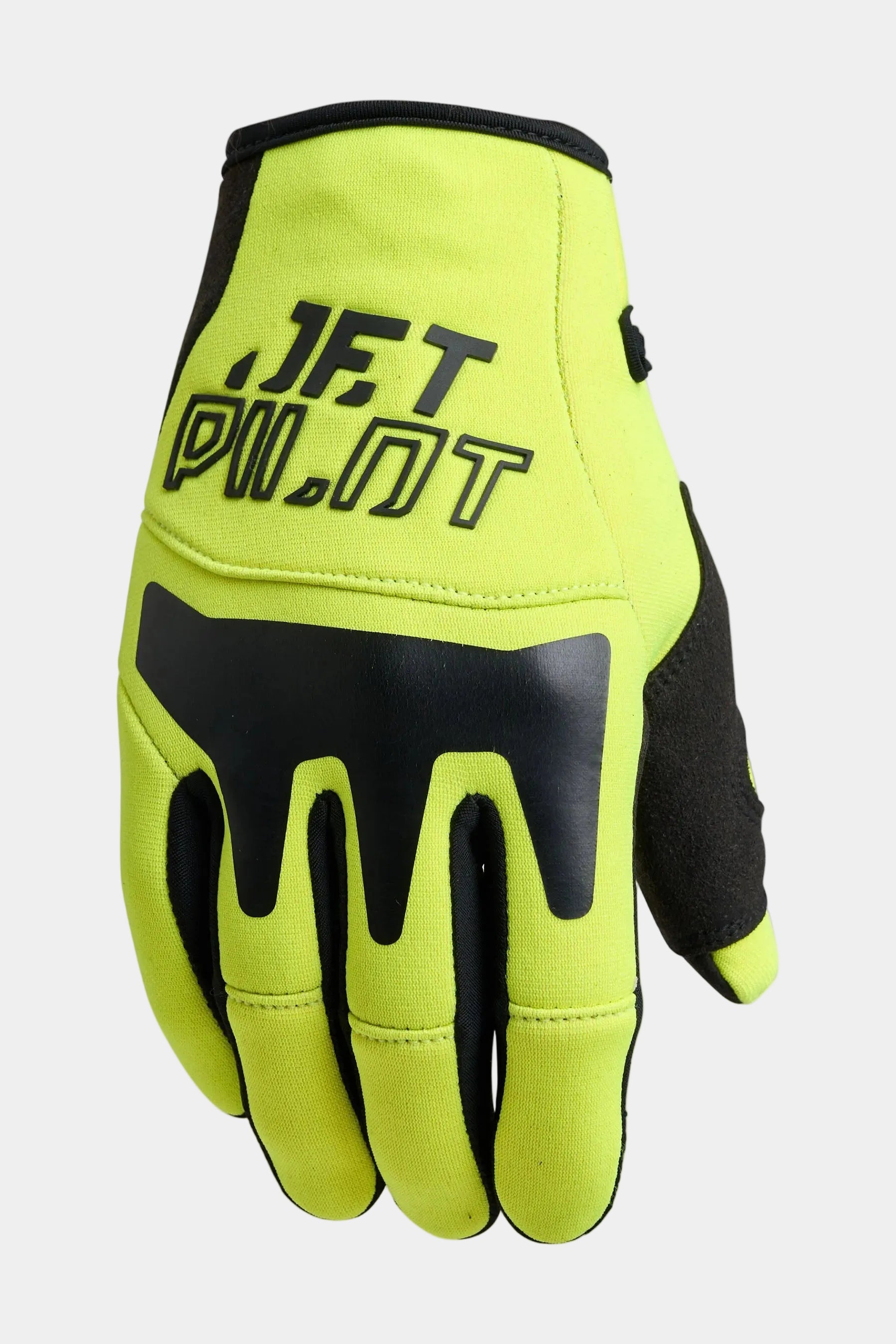
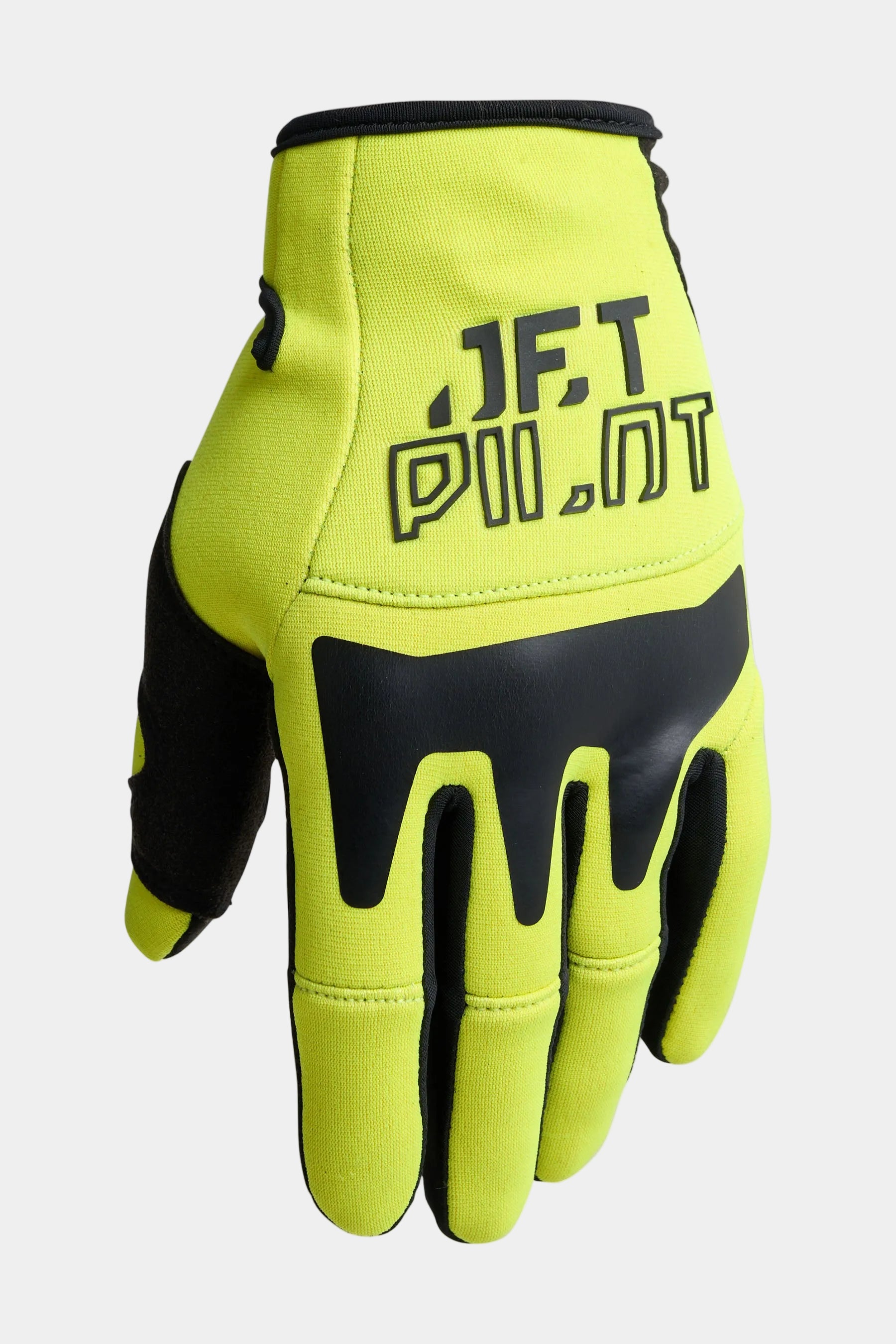
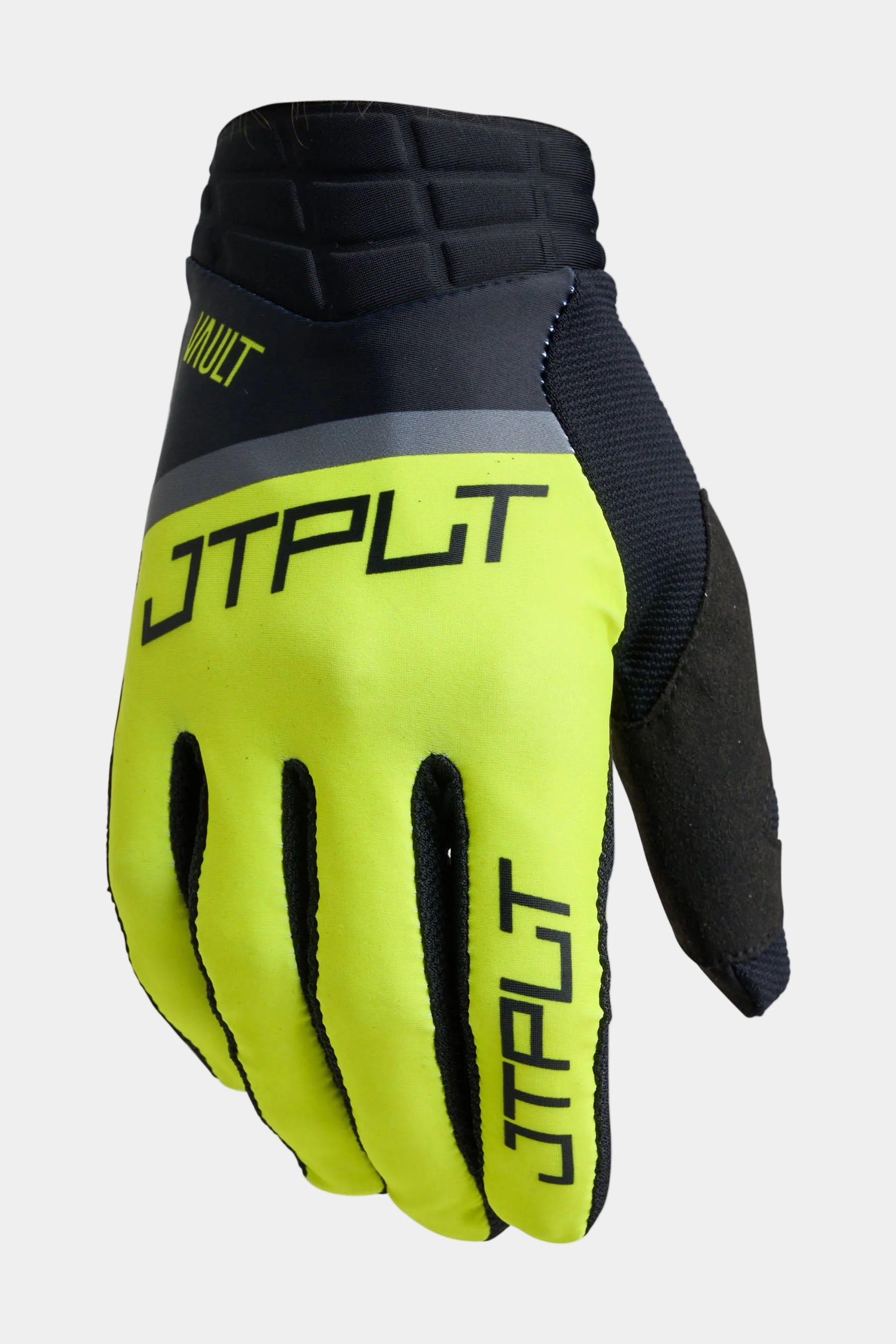
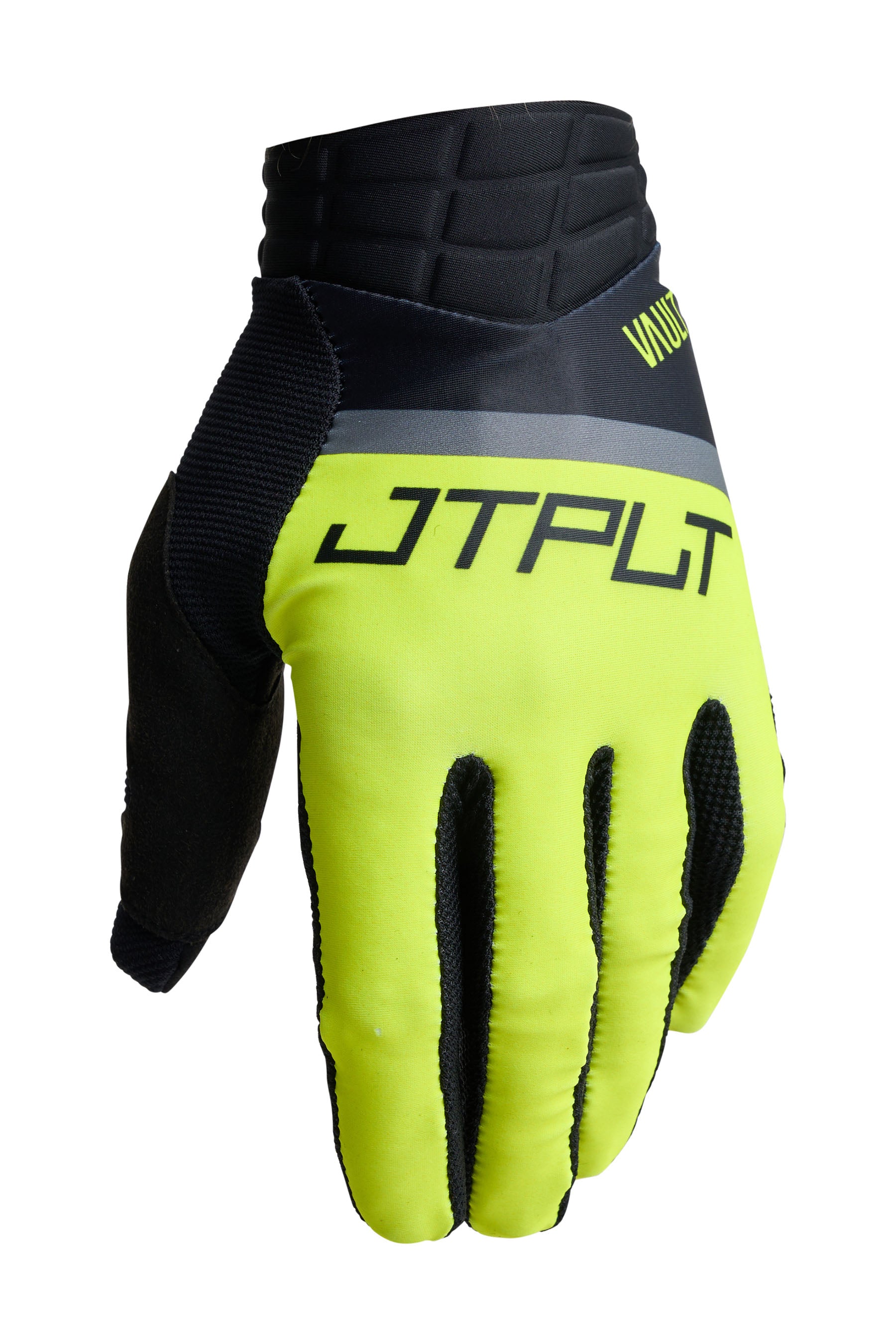


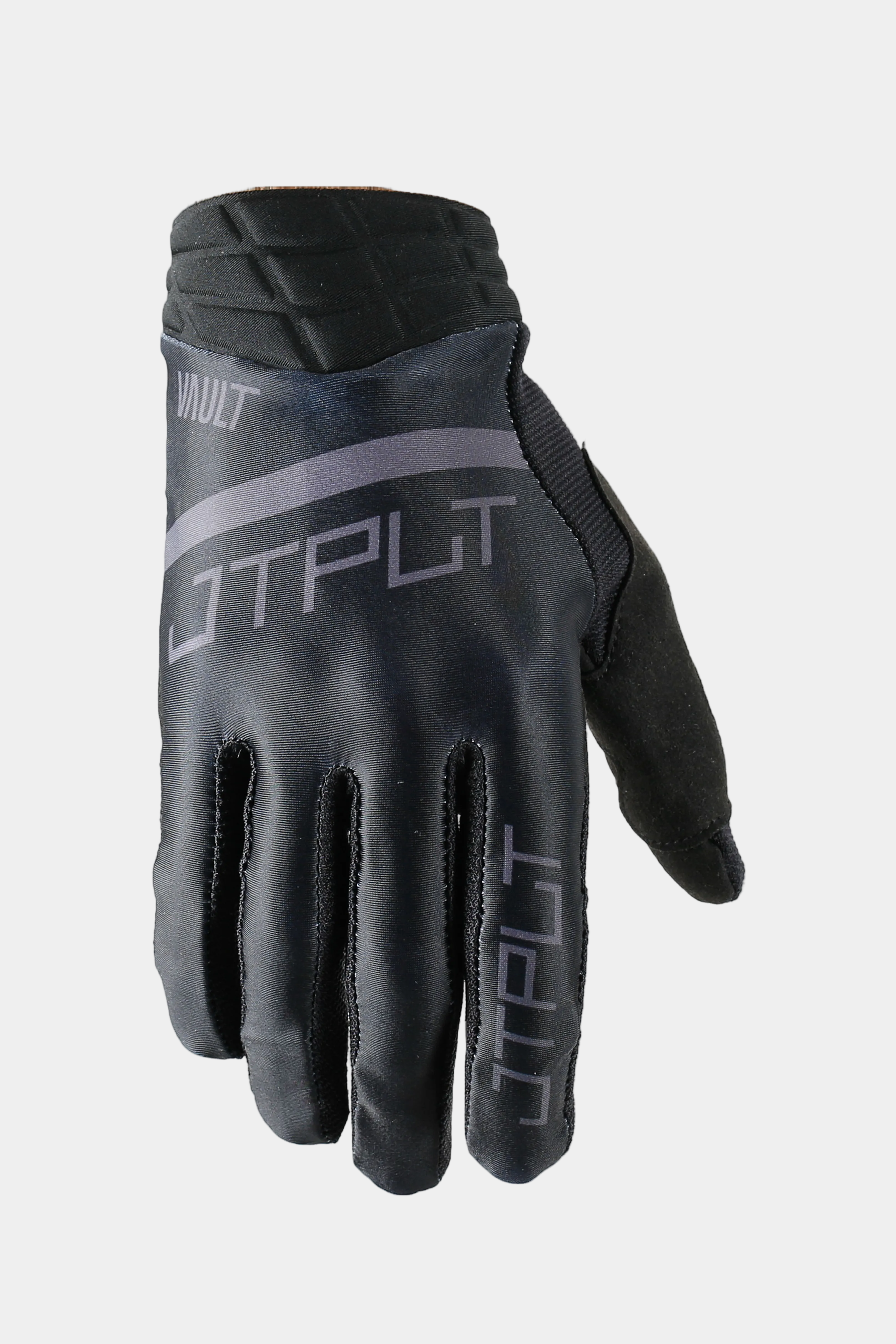
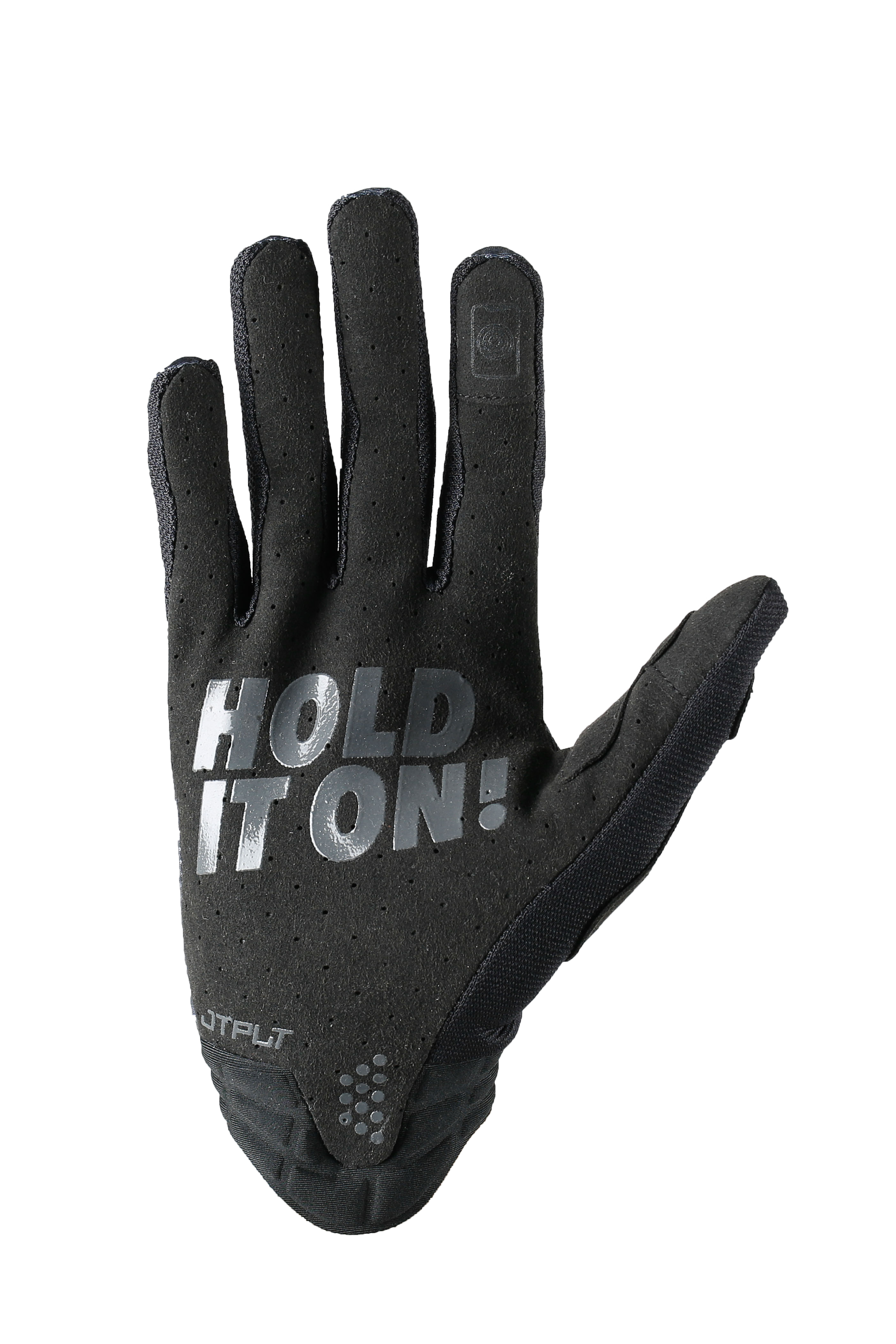
Jetpilot jet ski gloves protect your hands from grip fatigue, blisters, salt abrasion, and cold-water exposure. The Vault range covers three use cases: Heat Seeker for cold-water sessions (lined neoprene insulation), Race for high-grip sustained throttle holding, and Airlite for warm-water comfort with maximum breathability. All cut for the riding hand position with reinforced palm and finger panels.
Choose by water temperature and ride length
Vault Heat Seeker (cold water, < 18°C): 2mm neoprene-lined gloves with sealed cuff to keep cold water out. The lining traps a thin layer of water that warms to body temperature, the same principle as a wetsuit. Use for early-season jetski, wakeboard in cool months, and any session where bare hands go numb. Vault Race (any temperature, sustained ride): Lightweight high-grip palm rubber for tournament-style competitive use, or any session where you're holding the throttle for hours. Reinforced palm panel prevents blistering on long rides. Vault Airlite (warm water, > 22°C): Mesh-back, perforated palm for maximum breathability. Use when sweat-soaked is the bigger problem than cold-numb.
Sizing
Glove sizing is by hand circumference, measured around the knuckles (not including the thumb). Most adult riders fit M or L. Too small: restricts blood flow and pinches at the wrist. Too large: bunches in the palm, reduces grip and accelerates blistering. A correctly sized glove fits snug but not constrictive — you should be able to make a full fist without the fabric bunching. Pull the velcro cuff snug against the wrist; loose cuffs let water flush in and pump out, which defeats both insulation (Heat Seeker) and grip (Race).
Care and replacement
Rinse gloves with fresh water after every salt session. Saltwater dries out neoprene and stiffens the palm rubber. Air-dry inside-out away from direct sun. Store flat, not stuffed in a wet bag — compressed wet gloves grow mildew that destroys the insulation. Replace when the palm rubber loses tackiness, the seams open, or the velcro cuff stops gripping. With proper care, expect 2–3 seasons before grip and insulation degrade noticeably.
Frequently asked questions
Do I really need gloves for jet ski?
For short rides in warm water, no. For sustained-throttle riding, racing, or any cold-water session, yes — bare hands cramp and lose grip after 30–60 minutes of full-throttle work, and a slipped grip at speed is dangerous. Gloves also prevent the salt-and-sun blistering that ends a multi-day trip.
What's the difference between Heat Seeker and Race?
Heat Seeker is insulated for cold water (2mm neoprene lining), Race is high-grip but unlined for any temperature. In cold water, Race gives better feel and grip but your hands go numb in 20 minutes. In warm water, Heat Seeker is uncomfortably hot. Match the glove to the conditions.
Can I wear normal cycling or motorcycle gloves?
Not recommended. Cycling gloves don't drain (water pools in the palm), motorcycle gloves are too rigid for fine throttle control, and neither survives sustained salt exposure. Watersport-specific gloves are designed to wet, drain, and grip when wet.
Will gloves ruin my hand calluses?
The opposite — gloves prevent calluses from breaking open at the saltwater stage where they'd otherwise tear. Riders who switch to gloves mid-season report less hand pain across multi-day trips. The exception is racers who prefer raw-hand feel for throttle modulation, in which case lighter Vault Airlite gives partial protection without numbing the throttle hand.